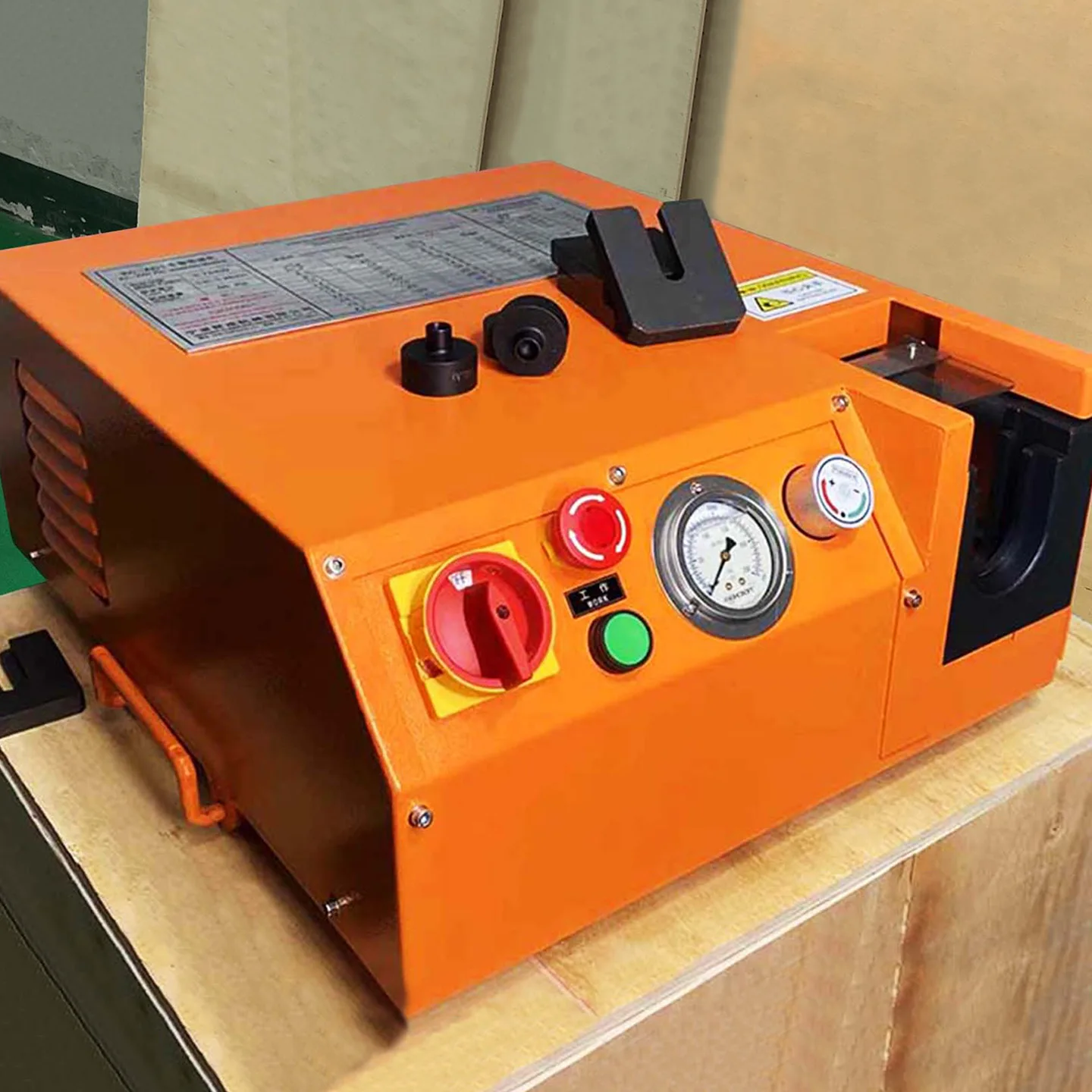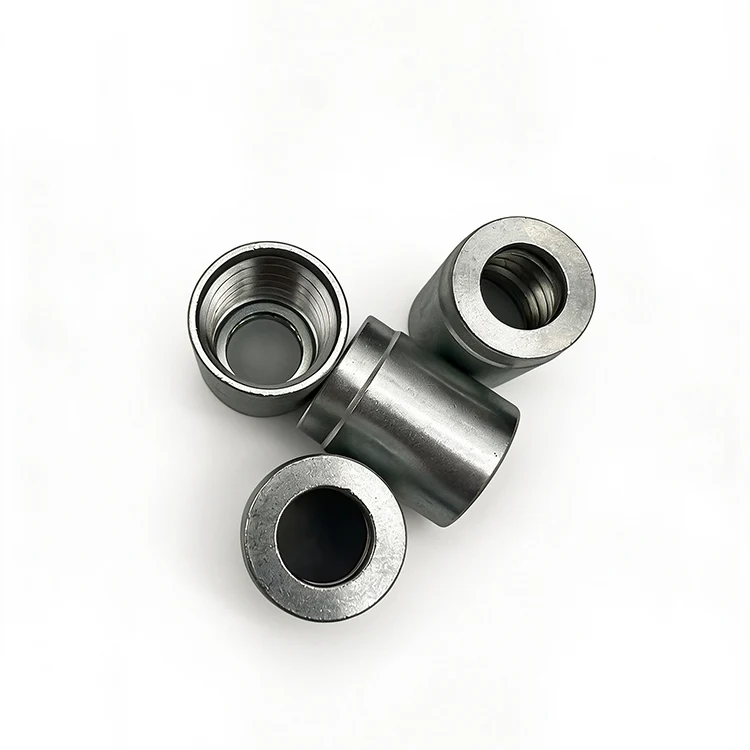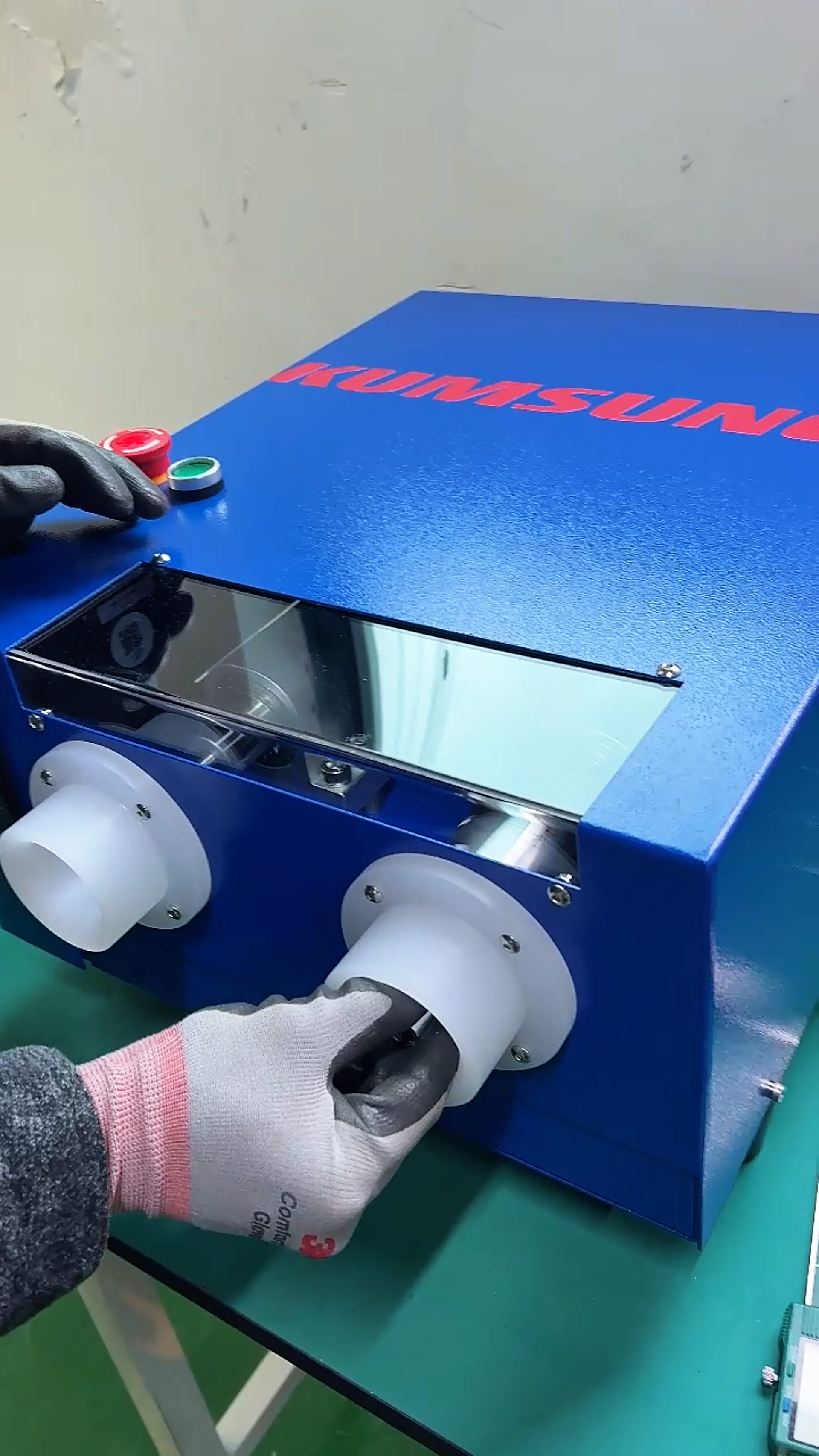

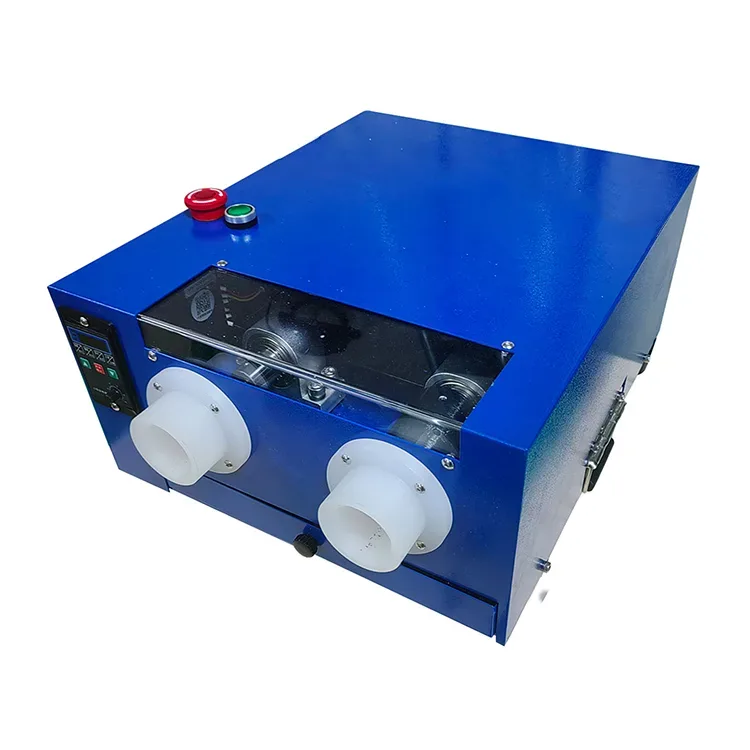
Choose a manual tube deburring tool for mobile repairs and occasional tube-end work. Consider an electric machine when repeated finishing at a fixed station makes operator effort, feeding and consistent setup more important. In either case, approve the finished edge against the connection requirement.
XYOON's manual and electric products both cover 6 to 42 mm tube diameters. The decision therefore needs more detail than the largest tube on the rack. Start with where the work happens, how the tube reaches the tool and what the next operation requires from the edge.

Separate the tool drive from tube feeding
A machine can be electrically driven while the operator feeds the tube by hand. Calling both that arrangement and a hand-rotated tool "manual" hides a useful distinction.
| Arrangement | Finishing motion | Tube handling |
|---|---|---|
| Manual tool | The operator rotates the tool. | The operator positions the tool and tube. |
| Electric machine with manual feeding | A motor drives the finishing heads. | The operator presents the tube to the machine. |
| Electric machine with semi-automatic feeding | A motor drives the finishing heads. | A feeding mechanism assists the cycle; loading and other tasks still need to be defined. |
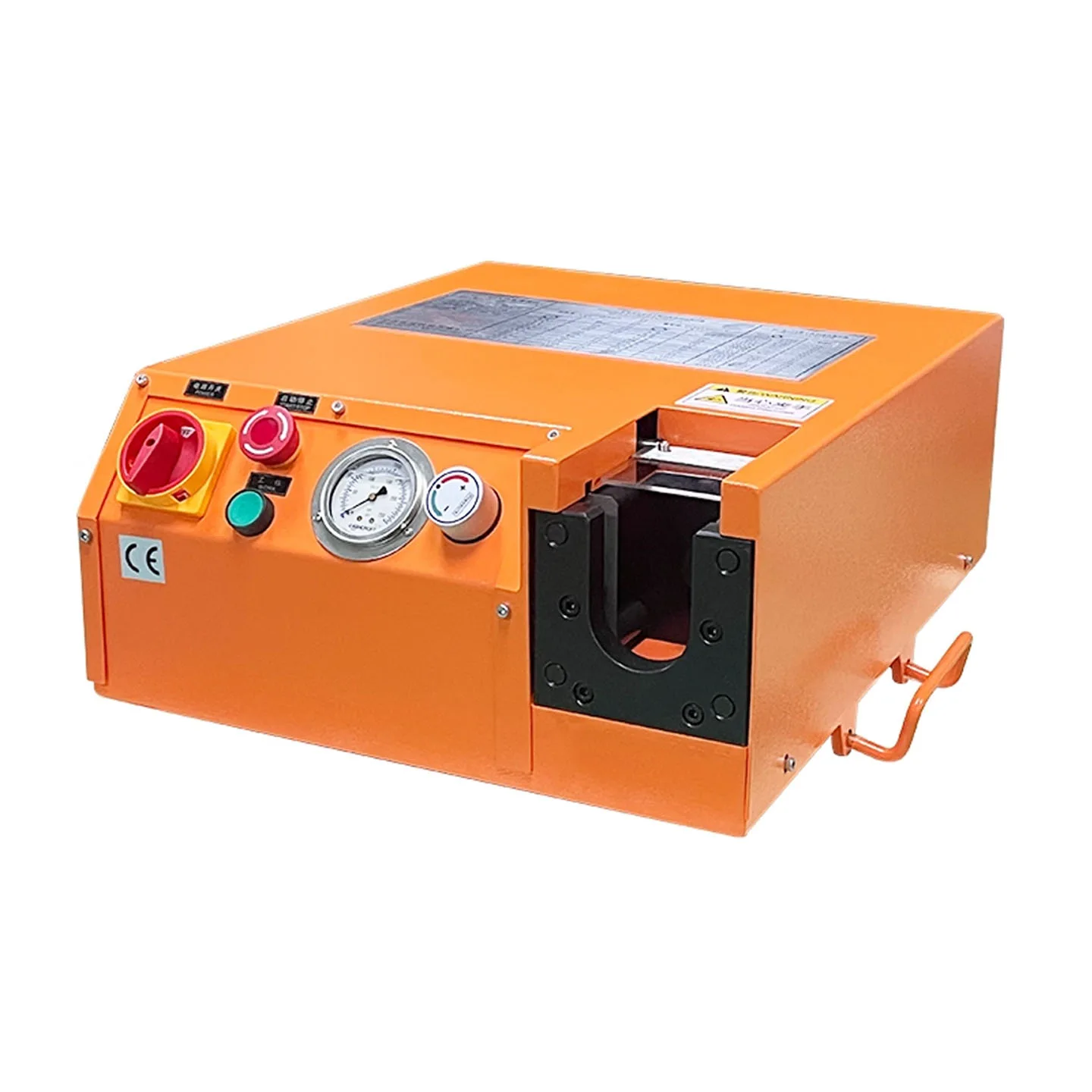
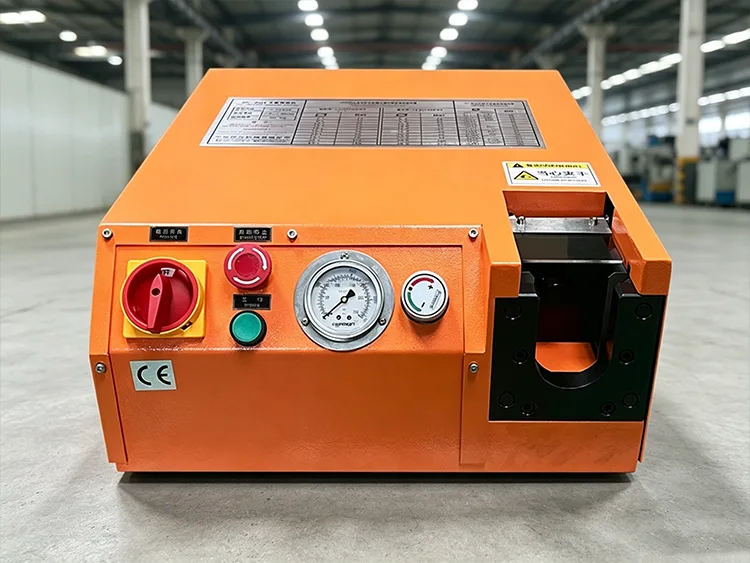
The XYOON electric machine supports manual and semi-automatic feeding. Select the feeding arrangement against your actual parts and handling method. Motor power alone cannot tell you how much work remains for the operator.
The XYOON specifications that affect the choice
| Selection point | Manual tool | Electric machine |
|---|---|---|
| Tube outside diameter | 6 to 42 mm | 6 to 42 mm |
| Tube materials | Carbon steel and stainless steel | Carbon steel, stainless steel and alloy steel |
| Drive and supply | Hand operation; no external power | 300 W motor; standard supply 220 V AC, 50 Hz |
| Finishing tool | Replaceable high-speed steel (HSS) blade | Dual-head grinding structure |
| Adjustment to review | 30° chamfer specification and operator pressure | 0 to 300 rpm chamfer-speed range, feeding mode and tooling |
The shared diameter range does not establish compatibility with every wall thickness or required edge geometry. Include those conditions in a sample review. The manual tool's 30° specification describes that tool; the fitting instructions still determine the preparation required for the connection.
Choose manual when access and mobility decide the job
A handheld tool suits work that moves between machines, repair locations or small batches. Its practical advantage is that the finishing tool can travel with the technician. There is no electrical supply to arrange at the point of use.

Before choosing it for an installed tube, check the physical access. A compact tool still needs room to engage the end and rotate. Nearby bends, brackets or fittings can prevent that motion. Review the working position with the actual part rather than relying on a tool diameter alone.
For occasional shop work, compare the entire task: retrieving the tool, supporting the tube, finishing, removing chips and inspecting the edge. A powered station may offer little benefit if transporting an awkward part to it dominates the job.
Choose electric when the repeated finishing task justifies a station
A fixed station becomes useful when tubes arrive in repeat batches and the same finishing setup can remain in place. Evaluate how the operator supports long tubes, feeds short pieces and keeps accepted work separate from unfinished parts.

XYOON's dual-head arrangement addresses the inside and outside edges of a tube end. Keep that distinction clear when planning output: processing both edge surfaces does not establish that both opposite ends of the tube are completed in one cycle. Specify which ends need work and demonstrate their handling during the trial.
For mixed sizes, ask what changes between setups: guides, grinding tools, speed, feed and part support. A repeatable finishing operation can still lose time if tools and setup references are difficult to identify.
Define the finished edge before comparing speed
Use the connection drawing or fitting instructions to define the required end condition. Record the inside edge, outside edge and allowed chamfer, together with any restrictions on surface damage or material removal.
Inspect the sample around its full circumference. Check for a remaining burr, uneven chamfer, local thinning, scratches and loose chips. A shiny edge does not establish that its geometry is correct.
If every tube arrives with a large or uneven burr, review the upstream cut. An angled or crushed cut needs correction at that operation. The hydraulic tube cutting and deburring guide explains how tube preparation connects to later fitting work.
Measure accepted tube ends over the complete task
Count the work in tube ends. If both ends require finishing, record both in the workload. Keep rejected ends out of the accepted-output total.
Accepted ends per minute = accepted tube ends ÷ elapsed trial minutes
Define the trial boundary consistently for both options. Include loading, turning the part when required, unloading, chip removal and the agreed inspection. Record changeover time separately so a short cutting action is not mistaken for the complete production task.
Use those observations to decide whether a powered station solves the current constraint. For a mixed workshop, compare a representative sequence of sizes. For repeated work, compare a defined batch with a stable setup. There is no single daily tube count that can make this decision for every workshop.
Run a comparison trial that can decide the purchase
Use the same tube specification and acceptance requirement for both options. The following sequence keeps the comparison tied to the work the machine must perform.
-
Select representative tubes
Include the materials, wall thicknesses, diameters and part shapes that create the most difficult handling or finishing work. Identify the samples before processing.
-
Define the accepted end
Attach the required edge condition and the inspection method. State whether one end or both ends need finishing.
-
Record the setup and handling
Identify the tools, guides, speed where applicable and feeding mode. Observe how the operator supports and turns the actual parts.
-
Time and inspect the work
Measure the agreed complete task, count accepted ends and retain the inspection results. Record rework and rejected samples separately.
-
Review changeover and repeatability
Change to another relevant size or material and repeat the checks. Approve the configuration against the observed results and required workload.
Plan consumables around the observed finish
For the manual tool, identify the replacement blade and its retaining parts. For the electric machine, identify the grinding tools and guides used in the accepted setup. Keep the ordering references with the workstation record.
Use changes in the result to trigger an inspection: more effort, chatter, an uneven edge, a growing burr or recurring scratches. Check the tube and upstream cut as well as the finishing tool. A fixed replacement interval alone cannot explain why the result changed.
For stainless steel or thin-wall parts, retain an accepted sample and setup record for comparison. Material compatibility, operator pressure and the allowed finish need to be considered together.
Practical questions
Does a 42 mm diameter capacity approve thin-wall stainless steel?
No. Include the actual wall thickness, material specification and required edge geometry in the review. Approve the result on representative samples, including deformation and material-removal checks.
Does deburring also complete tube cleaning?
No. Inspect for loose chips and residue after finishing, then apply the cleaning and end-protection method required for the hydraulic assembly.
Should the manual tool be removed when an electric station is added?
Keep it when mobile repairs, occasional rework or parts that are awkward to bring to the station remain part of the workload. Qualify its finish for those jobs.
Send XYOON the tubes that will decide the choice
Send the tube material, outside diameter, wall thickness, end-condition drawing, part shape and batch pattern. Add photos of existing burrs or scratches, state which ends need finishing and describe the available power supply.
Use the XYOON inquiry page to request a manual or electric recommendation with the matching tools and sample checks. The deburring equipment range provides the starting options; your accepted tube ends determine the working configuration.