
Article Summary:
An internal support sleeve may be required when a thin or soft tube cannot provide enough stiffness at the cutting ring assembly zone. The correct answer comes from the fitting manufacturer's matrix for the exact tube OD, wall, material and service condition.
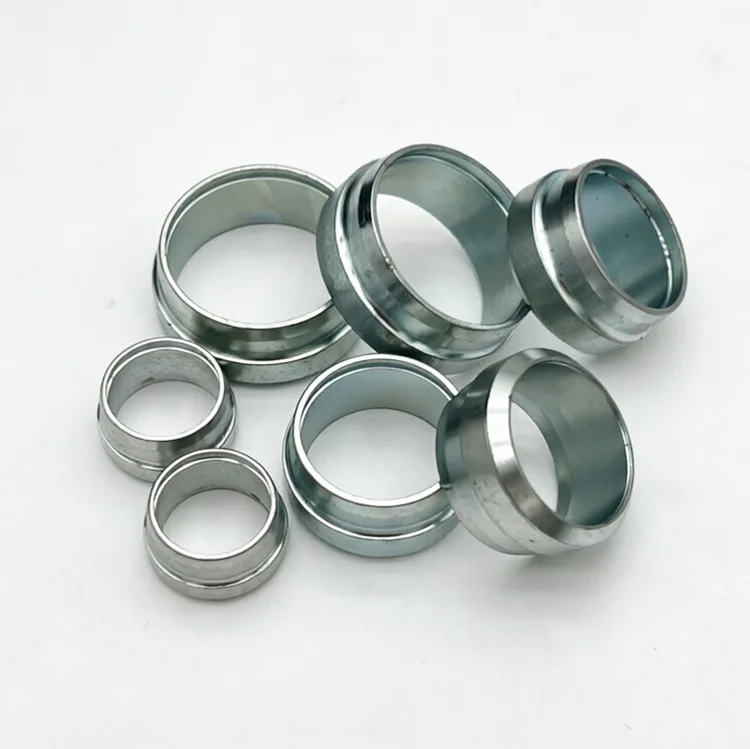
A thin-wall hydraulic tube needs an internal support sleeve when the approved selection table for the exact fitting system marks that tube outside diameter, wall thickness and material combination as requiring one. Some systems also call for a sleeve under severe vibration or other heavy service, even when it is not required for ordinary conditions.
There is no safe universal rule such as “all 1 mm tube needs a sleeve.” A 1 mm wall can appear with several outside diameters, materials and cutting ring designs. Each combination has different radial stiffness and a different approved assembly method.
What an internal support sleeve does
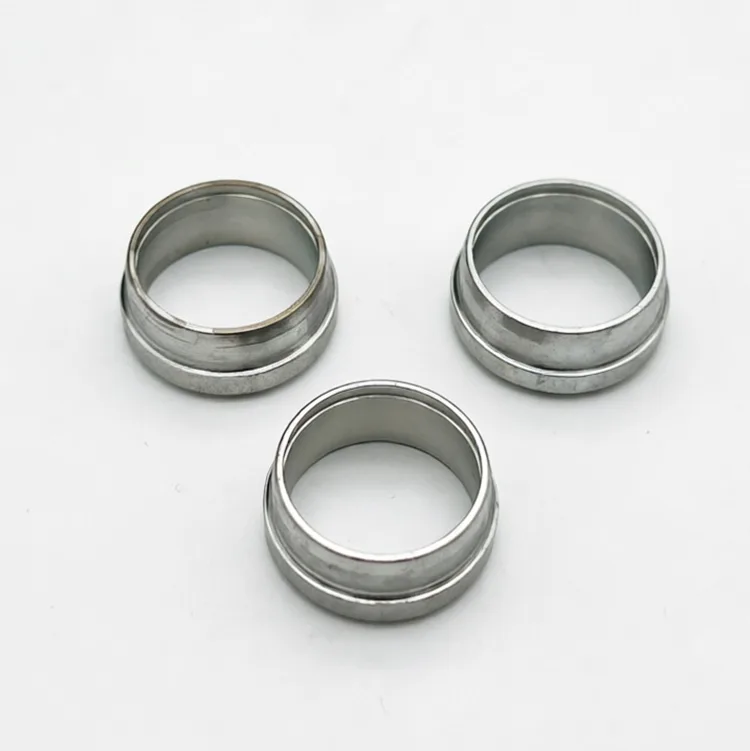
During cutting ring assembly, axial movement of the nut forces the ring into the fitting cone. The ring then loads and bites into the outside of the tube. If the tube wall does not provide enough resistance, the end can constrict instead of supporting the intended ring movement.
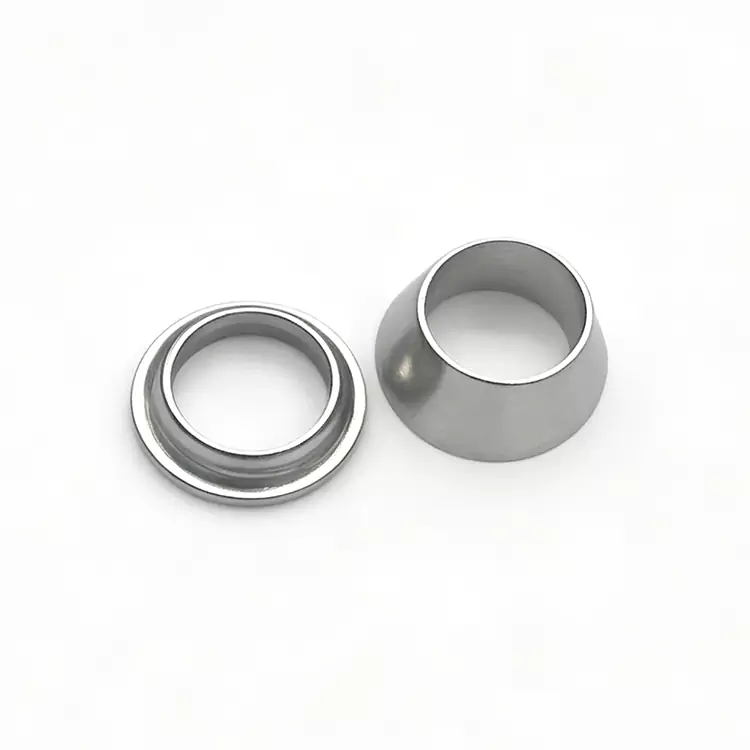
An internal support sleeve reinforces the tube from inside at the assembly zone. Its job is to resist tube collapse and increase local rigidity where the cutting ring loads the wall. For XYOON selection work, the sleeve belongs in the same compatibility matrix as the tube, cutting ring, fitting body, assembly tool and machine setting.
A sleeve does not turn an unsuitable tube into an approved pressure line. It cannot correct the wrong tube material, excessive ovality, damaged surfaces, poor dimensional tolerance or a fitting that is not rated for the application.
Do not confuse four parts called a sleeve
The word “sleeve” is used for several unrelated components. An RFQ that says only “hydraulic sleeve” is easy to misread.
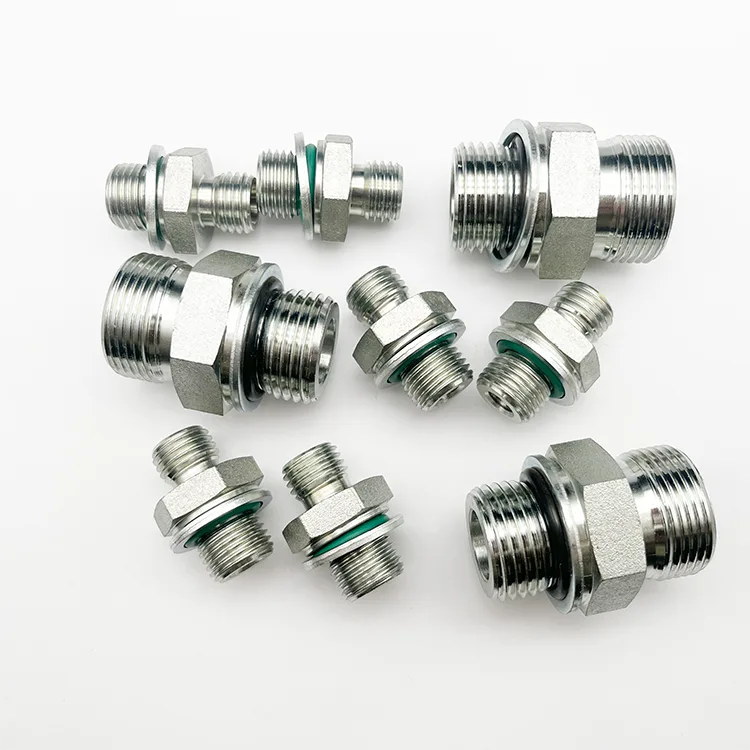
| Part | Where it sits | Main job | Typical purchasing description |
|---|---|---|---|
| Internal support or reinforcing sleeve | Inside a rigid tube end | Reinforce a thin or soft tube during fitting assembly | Support sleeve for tube OD x wall, material and fitting family |
| Tube insert | Inside plastic or polymer tube | Support a tube material that normally requires an insert | Insert for the specified plastic tube and connector system |
| Machine pressure sleeve | Around the workpiece in some assembly equipment | Transfer or support machine clamping force | Machine accessory identified by machine model and tool set |
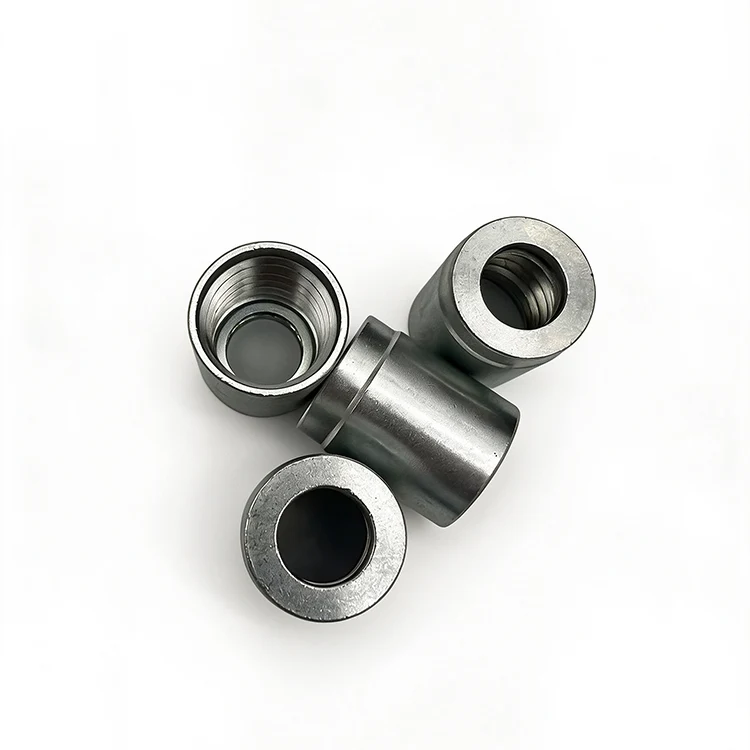
| Hose ferrule or crimp sleeve | Outside a flexible hose and stem | Form a crimped hose-end connection | Ferrule matched to hose, stem and crimp specification |
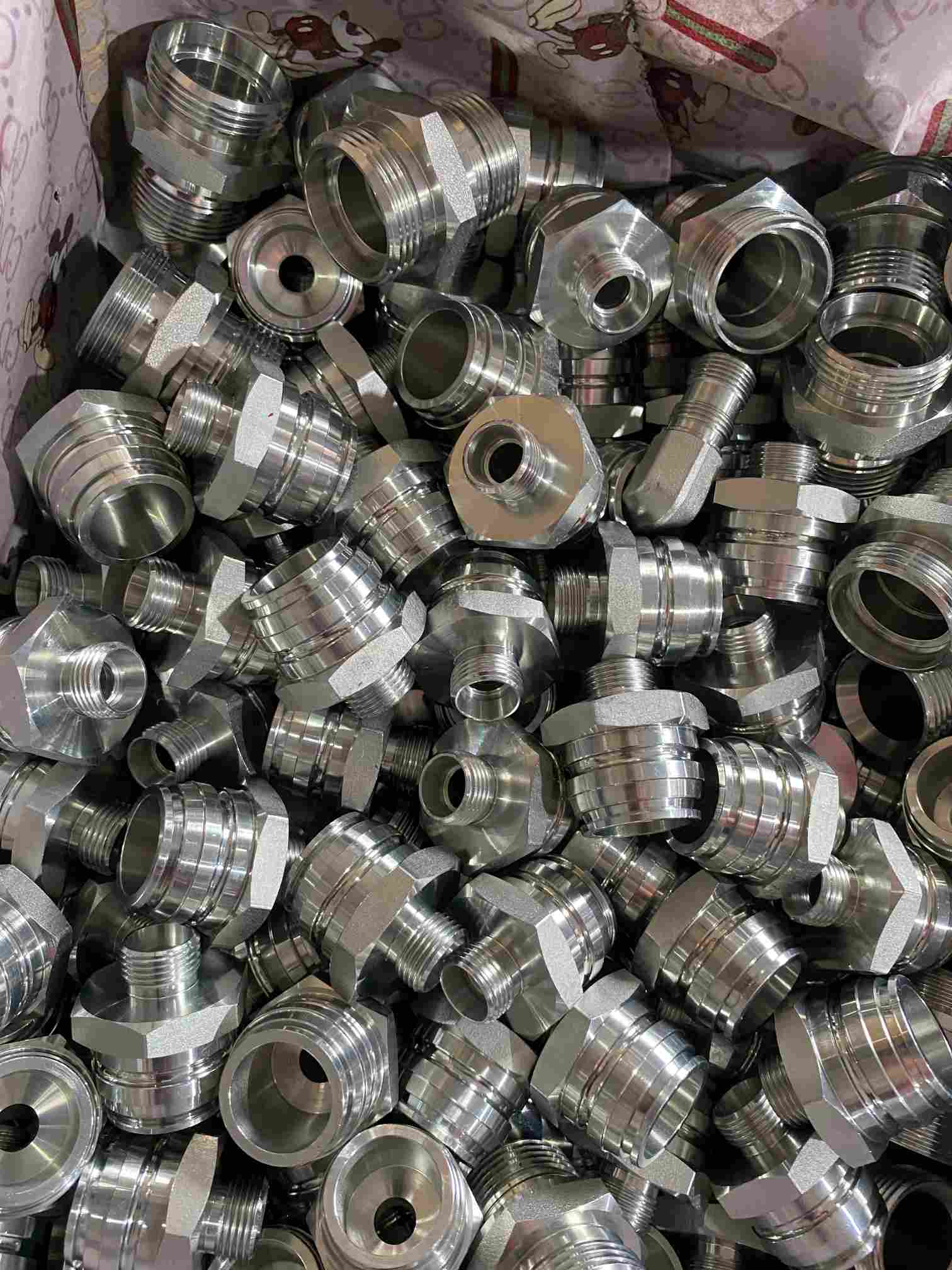
The subject of this guide is the first part: the small internal reinforcement installed in a rigid tube before cutting ring assembly.
The four inputs that decide whether a sleeve is required
1. The fitting manufacturer and connection family
Start with the controlled assembly instructions for the fitting being installed. Do not move a support-sleeve answer from one brand to another merely because both products use a 24 degree cone or reference DIN 2353 and ISO 8434-1.
Manufacturers use different cutting ring geometries, tube requirements and sleeve tables. Part numbers, table legends and installation details are system-specific, even when two products use the same nominal 24 degree connection.
2. Tube outside diameter and measured wall thickness
“Thin wall” is a relationship, not a standalone dimension. Record the nominal tube outside diameter and wall thickness, then verify the actual material against the drawing and applicable tube specification. The sleeve must fit the tube bore while remaining compatible with the fitting assembly zone.
A useful XYOON selection table should map tube OD against wall thickness and keep ordinary duty separate from heavy vibration or other severe service. That is more defensible than publishing a single wall-thickness cutoff.
3. Tube material and condition
Carbon steel, stainless steel, copper, brass, aluminium and plastic do not share one sleeve rule. XYOON should identify the exact tube grade and sleeve material in the quoted matrix rather than treating “metal tube” as one category.
That broad product description still does not approve every material combination. The sleeve material, tube material, fluid and external environment must be compatible. Surface damage, corrosion, an out-of-round bore or an internal weld condition can also prevent correct installation.
4. Service severity
Pressure rating alone does not describe the whole duty. The manufacturer's table or engineering review may also consider vibration, pressure cycling, bending load, temperature and tube support close to the connection.
Do not add a sleeve as an informal cure for uncontrolled vibration. The line layout, clamps, tube support and fitting selection still need review.
A reliable selection workflow
Use this sequence before releasing a tube and fitting combination to production.
- Identify the fitting brand, exact cutting ring family and L, S or other series.
- Record tube OD, wall thickness, material grade, condition and dimensional tolerance.
- Open the current assembly manual or sleeve selection table for that product family.
- Read the table legend. A conditional symbol may apply only to vibration or another severe service case.
- Select the sleeve part number for the exact tube bore and approved material combination.
- Confirm the sleeve installation method, lubricant, seating position and any tube-preparation requirement.
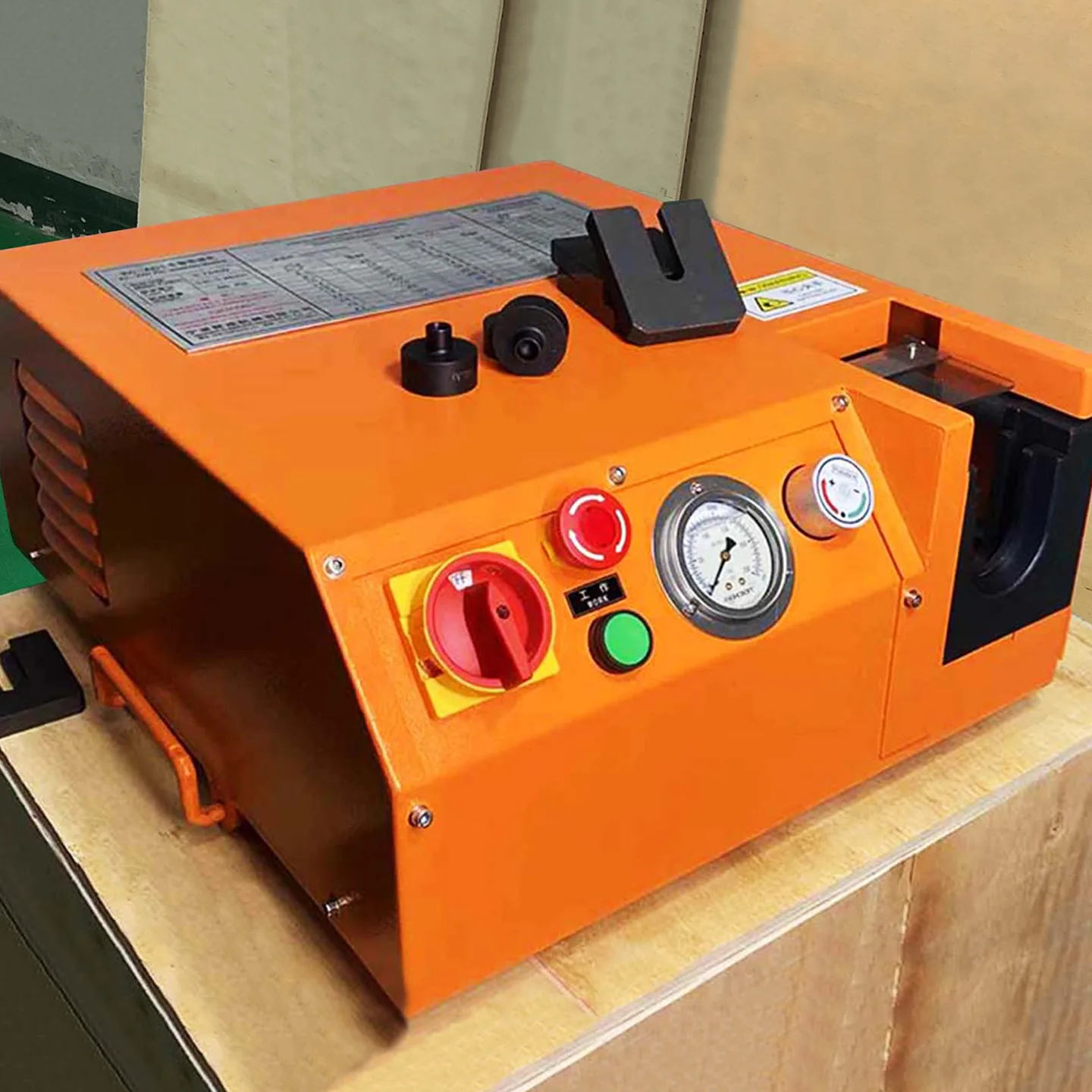
- Verify that the assembly machine, tool and setting are approved for the complete combination.
- Make and inspect a first piece before the batch begins.
If the table does not list the combination, treat it as unapproved. Ask the fitting supplier for a documented recommendation or functional validation instead of selecting the nearest sleeve size.
Why L series does not automatically answer the question
L and S are complete fitting series, not shorthand for “thin tube” and “thick tube.” Series selection affects the fitting body, nut, cutting ring, tube range and tooling. Support-sleeve selection is a separate check inside that approved system.
This distinction matters when a buyer sees an L-series product described for lighter service and assumes every thin-wall tube is acceptable without reinforcement. The correct sequence is to choose the fitting series for the application, then check the support-sleeve table for the exact tube combination. The related L versus S series guide explains why a series label cannot replace part-level verification.
The XYOON-first specification method
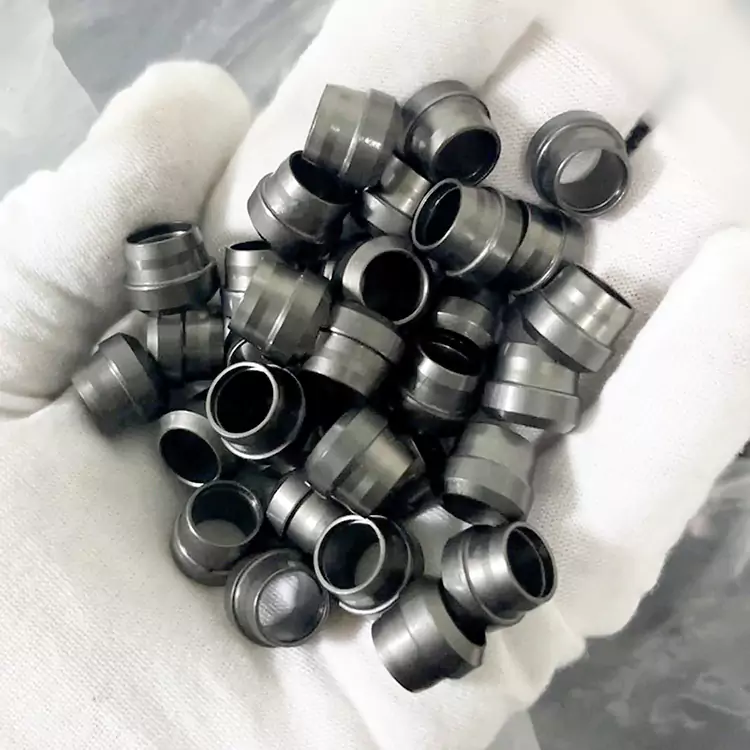
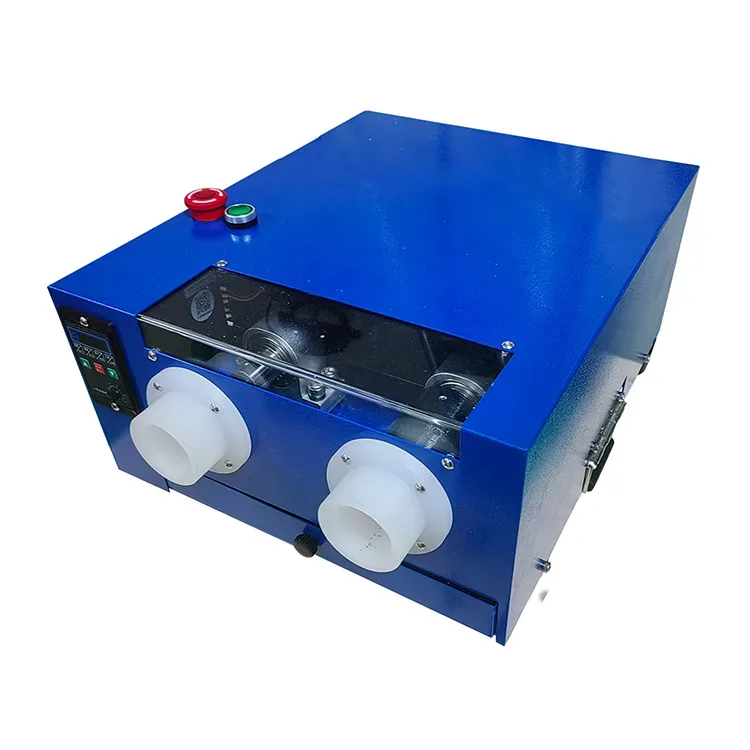
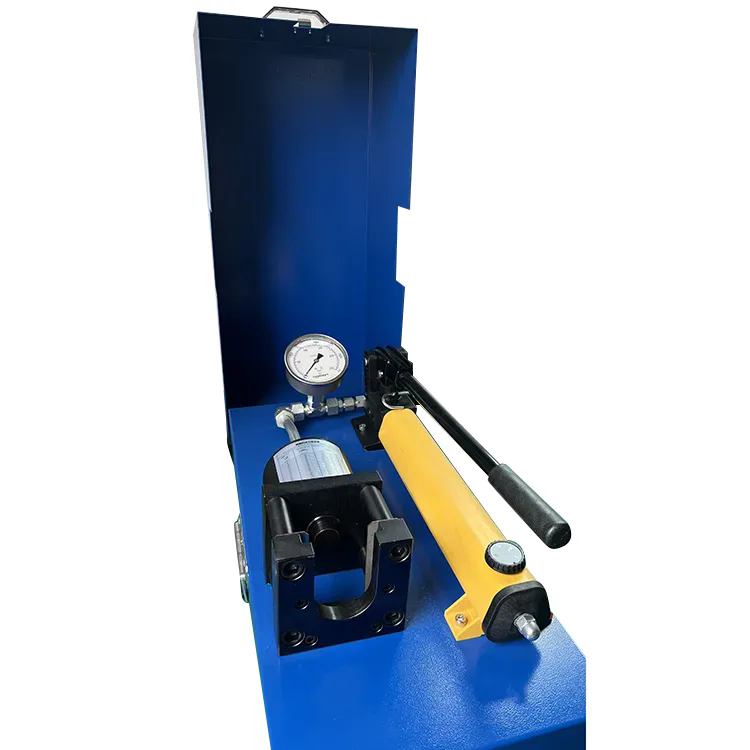
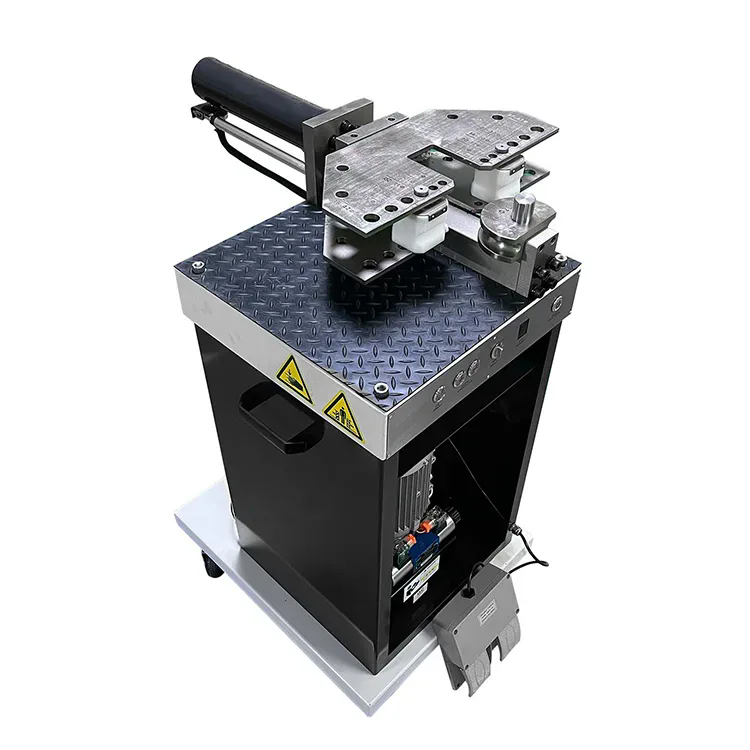
XYOON supplies products across the same workflow: cutting rings, rigid-tube fittings, sleeve products and cutting ring pre-assembly equipment. The useful differentiator is not a broad claim that each category is compatible. It is a controlled matrix showing how the selected parts work together.
| Matrix field | What XYOON should confirm | Why the buyer needs it |
|---|---|---|
| Tube | OD, wall, material grade, tube specification and dimensional tolerance | Defines the bore, radial stiffness and surface accepted by the connection |
| Fitting | Body, nut, cutting ring family, size and L or S series | Prevents mixed-series and mixed-system assemblies |
| Internal sleeve | Part number, material, insertion position and service condition | Shows whether reinforcement is required and what part fits the bore |
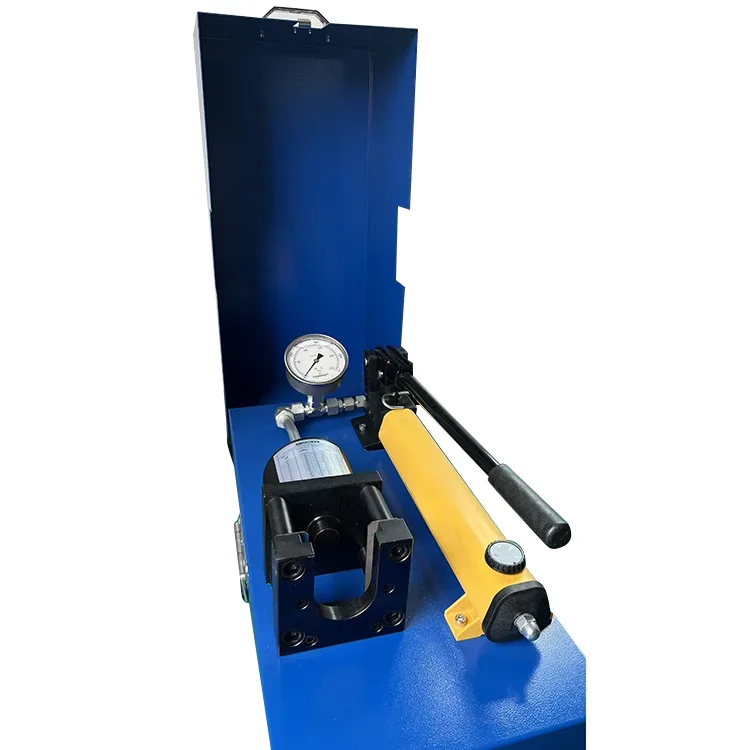
| Assembly equipment | Machine model, stud, support plate and approved setting | Connects component selection to a repeatable production setup |
| Inspection | First-piece features, reference sample and rejection rule | Gives production and quality teams the same acceptance decision |
A copied chart without its product family, material scope, revision and legend is risky. The controlled XYOON matrix should keep those fields visible and identify who approved it.
Tube preparation still controls the result
A correctly selected sleeve can be undermined by a poor tube end. Cut the tube by the approved method, remove internal and external burrs, clean away chips and inspect for ovality or deformation before inserting the sleeve.
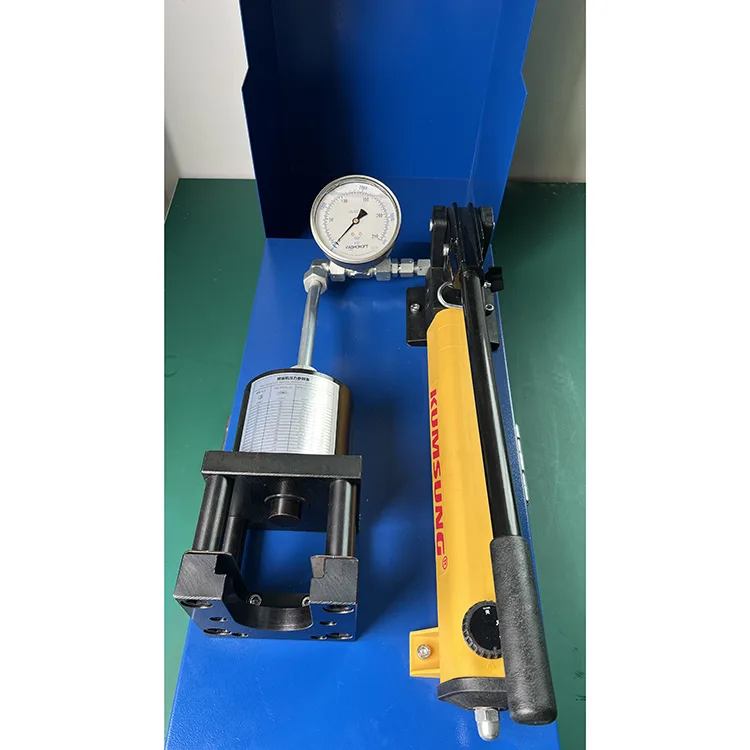
Internal burrs deserve extra attention because the sleeve fits in the bore. Forcing a sleeve past a burr can damage the tube, distort the sleeve or leave it short of its specified seat. Grinding or enlarging the bore to make a wrong sleeve fit is not an acceptable substitution for the correct part.
The hydraulic tube cutting and deburring guide covers the upstream preparation checks. After the sleeve is installed, follow the fitting manufacturer's normal pre-assembly and final-assembly instructions. A support sleeve does not change an incomplete pre-assembly into a finished connection.
Installation checks before pre-assembly
The exact installation sequence belongs to the sleeve manufacturer. Before the cutting ring is assembled, confirm at least the following:
- the sleeve part number matches the tube OD, wall and material;
- the tube bore and sleeve are clean and undamaged;
- the approved lubricant or assembly paste was used where specified;
- the sleeve is seated to the position shown in the manufacturer's diagram;
- the retaining or knurled section is fully engaged where the design uses one;
- the tube end remains round and free from splits, flares and raised burrs;
- the sleeve does not prevent the tube from reaching the assembly tool or fitting stop.
The insertion method, preparation medium and seating tool can change with sleeve material and retaining design. The XYOON work instruction should state these details directly. “Tap it in” is not a repeatable assembly instruction.
First-piece inspection and batch control
Inspect the first completed tube before releasing the setup. The acceptance criteria must come from the fitting system, but the record should connect sleeve selection to the final assembly result.
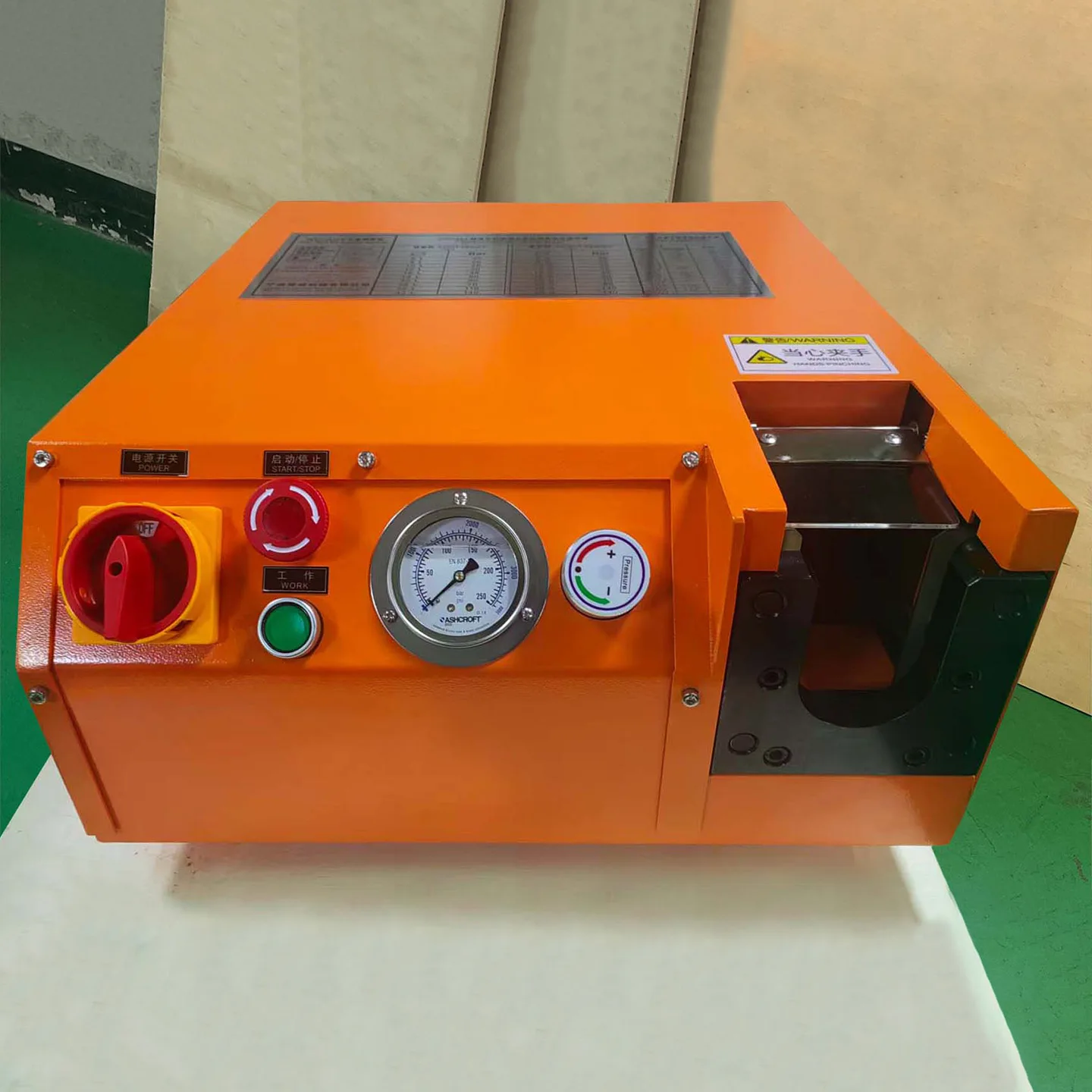
| Record field | What to capture |
|---|---|
| Tube | OD, wall, material grade, heat or batch if traceability is required |
| Fitting system | Manufacturer, body, nut, cutting ring, series and size |
| Support sleeve | Part number, material, lot and selection-table revision |
| Process | Machine or hand tool, assembly stud, setting and operator |
| Pre-assembly inspection | Tube seating, material collar or other system-specific acceptance feature |
| Disposition | Accepted, held for review or rejected, with photo/reference sample |
If the tube collapses, the sleeve moves, the ring bite is irregular or the machine result differs from the approved sample, stop the batch. Check the tube dimensions, sleeve identity, installation depth, tool condition and machine setup as a set. The assembly defect guide and assembly tool wear guide provide the next diagnostic steps.
What to send XYOON for a compatibility review
XYOON's public pages cover cutting rings, rigid-tube fittings, sleeve products and pre-assembly equipment, but they do not currently publish a controlled internal support-sleeve matrix that can approve a particular tube combination. Ask for written confirmation before ordering or running a batch.
Send:
- fitting manufacturer, system name, cutting ring type and L or S series;
- tube OD, wall thickness, material grade and tube specification;
- working pressure and design pressure from the system specification;
- fluid, temperature range and external environment;
- vibration, pressure-cycle and tube-support conditions;
- machine model, tooling identification and current settings;
- target quantity and a representative tube, fitting and sleeve sample;
- the inspection method and acceptance record required by your quality plan.
Use the XYOON inquiry form to send the matrix. The requested output should be a part-specific sleeve recommendation, compatible tooling list and first-piece acceptance method, not a generic statement that the machine handles thin-wall tube.
Questions buyers often ask
Can thin-wall tube be assembled without a support sleeve?
Only if the current instructions for the exact fitting family approve that tube OD, wall and material combination without one. A successful-looking trial assembly does not override the selection table.
Does a support sleeve increase the pressure rating?
Do not use it to claim a higher pressure rating. The allowable pressure belongs to the complete approved tube and fitting assembly. A support sleeve reinforces the assembly zone for combinations covered by the manufacturer's instructions.
Can one sleeve size fit several tube sizes?
Some manufacturer catalogues show one sleeve designation serving more than one OD-and-wall combination that shares a suitable bore, but this must be read from that supplier's table. Do not select by appearance or nominal bore alone.
Can a support sleeve be reused?
Assume it is part of the assembled tube end unless the manufacturer explicitly provides a removal, inspection and reuse procedure. Pulling out a retained sleeve can damage the bore or the sleeve and may invalidate the approved assembly condition.
Is a support sleeve the same as a cutting ring?
No. The cutting ring sits outside the tube and interacts with the 24 degree cone. The support sleeve sits inside the tube and reinforces the wall near the ring bite.
Need help matching a tube range, fitting series and batch requirement to the right equipment? Contact XYOON with the tube OD, wall thickness, material and expected output.