
Article Summary:
A Pipe Bending Machine plays a vital role in modern manufacturing by helping industries create accurate, durable, and efficient pipe structures. From automotive components and construction projects to energy systems and industrial equipment, precise pipe bending directly influences product quality, production speed, and operational costs. This article explains how a Pipe Bending Machine works, why manufacturers need advanced bending solutions, how to select the right equipment, and how XYOON provides reliable solutions to overcome common production challenges.
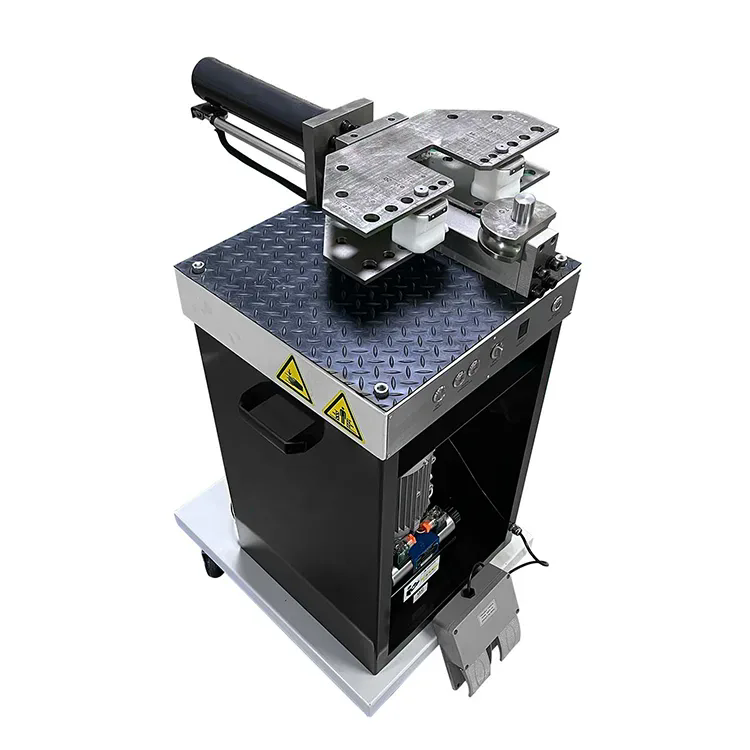
In many manufacturing industries, pipes are essential components used for transporting fluids, supporting structures, and connecting complex systems. However, traditional manual bending methods often create problems such as inconsistent angles, material deformation, high labor costs, and low production efficiency.
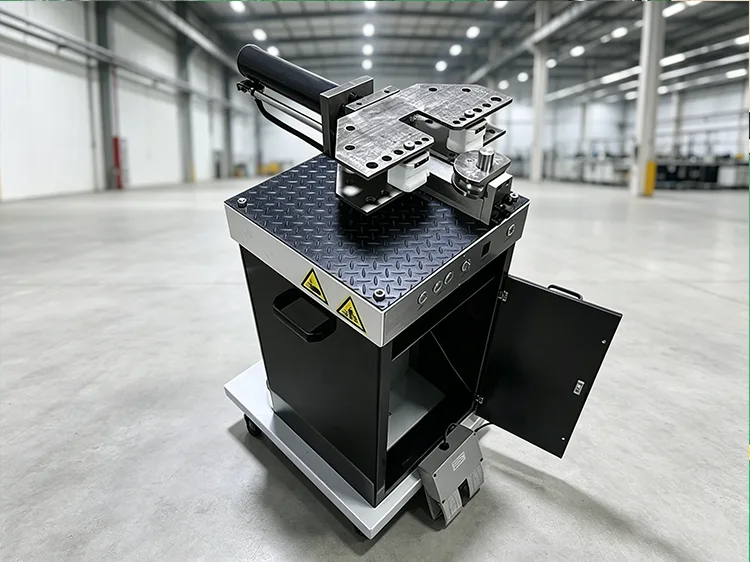
A Pipe Bending Machine provides an advanced solution by applying controlled mechanical force to shape pipes into accurate curves while maintaining structural integrity. This technology allows manufacturers to produce high-quality components with repeatable results.
As industries continue to demand higher precision and faster production cycles, automated pipe bending equipment has become an important investment. Whether producing exhaust systems, hydraulic tubes, metal frameworks, or industrial pipelines, reliable bending equipment helps companies achieve better productivity and reduce waste.
A Pipe Bending Machine operates by using mechanical systems to gradually deform a pipe into a required shape without damaging the material. Depending on the machine type, the bending process may involve hydraulic systems, electric servo control, or CNC programming technology.
The basic bending process usually includes several important steps:
Modern CNC Pipe Bending Machines can automatically control multiple bending positions, allowing manufacturers to achieve complex shapes with high repeatability.
Choosing the right bending equipment can significantly improve manufacturing performance. Compared with traditional methods, modern Pipe Bending Machines offer several benefits.
| Advantages | Manufacturing Benefits |
|---|---|
| High Precision | Produces accurate bending angles and consistent pipe dimensions. |
| Improved Efficiency | Reduces processing time and increases production capacity. |
| Lower Material Waste | Minimizes pipe damage and reduces unnecessary material consumption. |
| Easy Operation | Digital controls simplify machine setup and production management. |
| Better Product Quality | Maintains smooth bending surfaces and prevents deformation. |
For manufacturers facing increasing customer demands, investing in advanced bending equipment can create long-term advantages by improving production stability and reducing operational difficulties.
Many manufacturers experience difficulties during pipe processing. Understanding these challenges helps businesses select more effective production solutions.
Selecting suitable equipment requires careful consideration of production requirements, material types, and future business needs. The wrong machine choice may result in unnecessary costs and limited production capability.
| Selection Factor | Key Considerations |
|---|---|
| Pipe Material | Different materials such as stainless steel, carbon steel, and aluminum require different bending capabilities. |
| Pipe Diameter | The machine should support the required pipe sizes for current and future projects. |
| Bending Accuracy | High-precision industries require advanced control systems. |
| Automation Level | CNC and automated systems improve efficiency for large-scale production. |
| After-Sales Support | Reliable technical service helps maintain stable operation. |
Manufacturers should evaluate not only the initial equipment cost but also productivity, maintenance requirements, and long-term value.
Pipe Bending Machines are widely used across multiple industries because they provide flexible and accurate pipe forming capabilities.
The versatility of pipe bending technology makes it an essential manufacturing solution for companies requiring precision metal forming.
XYOON focuses on providing reliable Pipe Bending Machine solutions designed to meet different industrial requirements. With professional manufacturing experience and attention to product performance, XYOON helps customers improve production efficiency and achieve stable processing results.
The company understands that every manufacturer has different requirements regarding pipe materials, bending angles, production volume, and automation levels. Therefore, XYOON provides equipment solutions that focus on precision, durability, and practical application needs.
By combining advanced manufacturing technology with strict quality management, XYOON aims to help customers reduce production challenges and build more efficient manufacturing processes.
Proper maintenance is essential for extending equipment service life and ensuring stable production quality. Manufacturers should establish regular inspection and maintenance procedures.
A well-maintained Pipe Bending Machine can deliver reliable performance, reduce downtime, and improve overall production efficiency.
Most Pipe Bending Machines can process various metal materials, including stainless steel, carbon steel, aluminum, copper, and alloy pipes. The suitable machine configuration depends on material thickness and hardness.
CNC technology improves bending accuracy by controlling parameters digitally. It allows manufacturers to produce complex pipe shapes with consistent quality and reduced manual adjustment.
By improving processing speed, reducing material waste, and minimizing labor requirements, a Pipe Bending Machine helps manufacturers achieve lower overall production costs.
Manufacturers should evaluate pipe specifications, production requirements, automation needs, machine accuracy, and supplier support before making a decision.
Yes. XYOON can provide suitable bending solutions according to different customer requirements, helping businesses achieve efficient and reliable pipe processing results.
A Pipe Bending Machine is an essential tool for modern manufacturing industries that require precision, efficiency, and consistent quality. By replacing inefficient manual methods with advanced bending technology, companies can improve productivity, reduce waste, and meet increasingly complex production requirements.
With professional solutions and manufacturing expertise, XYOON supports businesses in achieving better pipe processing performance. If you are looking for a reliable Pipe Bending Machine solution customized for your production needs, please contact us today to discuss your requirements and find the right equipment for your application.