
Article Summary: A reliable hydraulic tube connection depends on more than the fitting body alone. A properly selected Carbon Hydraulic Sleeve can reinforce the tube connection, improve load distribution, support metal-to-metal sealing, and reduce the risk of leakage caused by vibration or assembly stress. This guide explains its working principle, specifications, advantages, applications, installation considerations, and selection factors for industrial hydraulic systems.
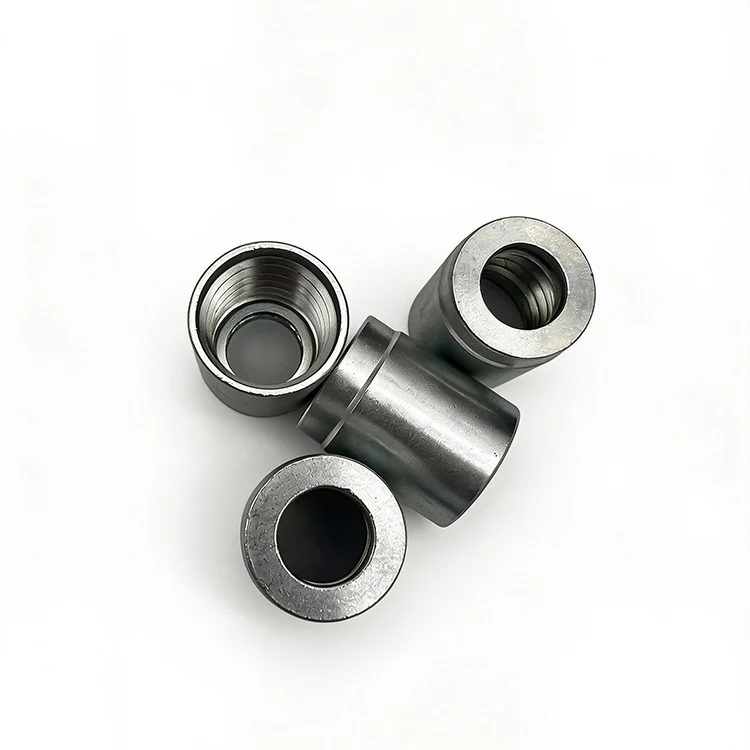
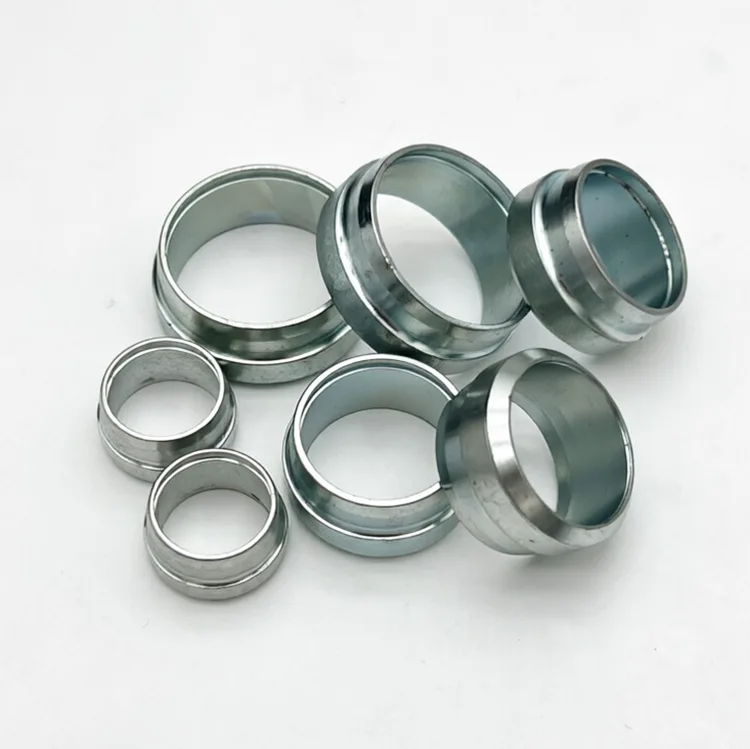
A Carbon Hydraulic Sleeve is a precision-machined bite-type component used in compression tube fittings. It works together with a fitting body and nut to create a secure connection between seamless steel tubing and the hydraulic fitting. During assembly, axial compression causes the sleeve's cutting edge to bite into the tube wall, creating a mechanically locked, metal-to-metal connection.
Unlike welded connections, this design does not require hot work during normal installation. It is therefore useful for hydraulic systems where reliable assembly, maintenance access, vibration resistance, and consistent sealing performance are important.
For industrial buyers, the choice of manufacturer is equally important. XYOON produces carbon steel hydraulic sleeves designed around DIN 2353 and ISO 8434-1 requirements, with options for standard supply and industrial procurement.
The product is available for DIN 2353 L and S series applications and is designed for high-pressure hydraulic tube connections. Depending on configuration and system conditions, the rated working pressure can reach up to 630 bar.
The operating principle is based on controlled mechanical deformation. When the fitting nut is tightened according to the required assembly procedure, the sleeve moves axially against the fitting cone. Its cutting edge progressively penetrates the outer surface of the seamless steel tube.
This creates several important mechanical effects:
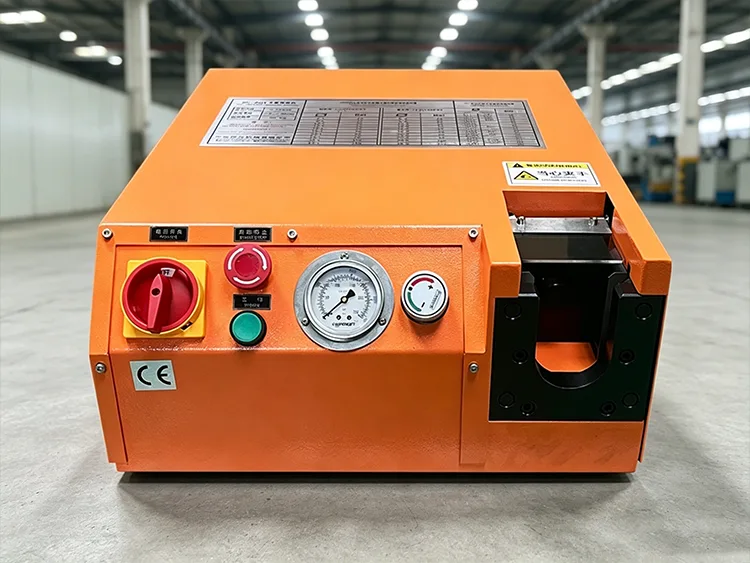
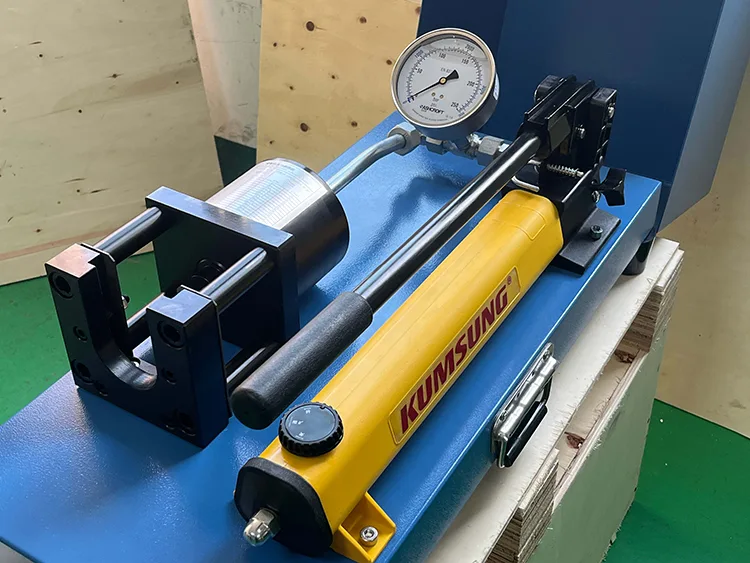
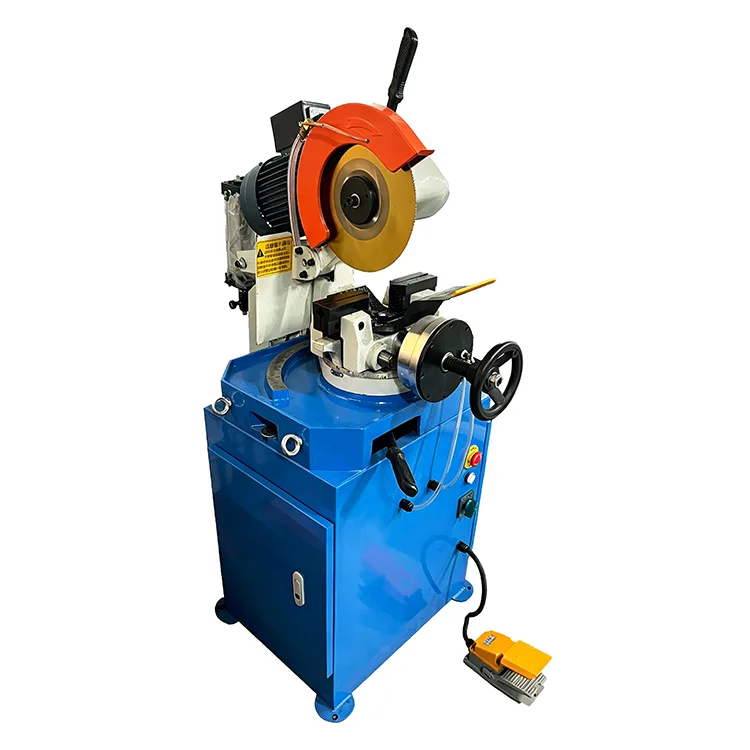
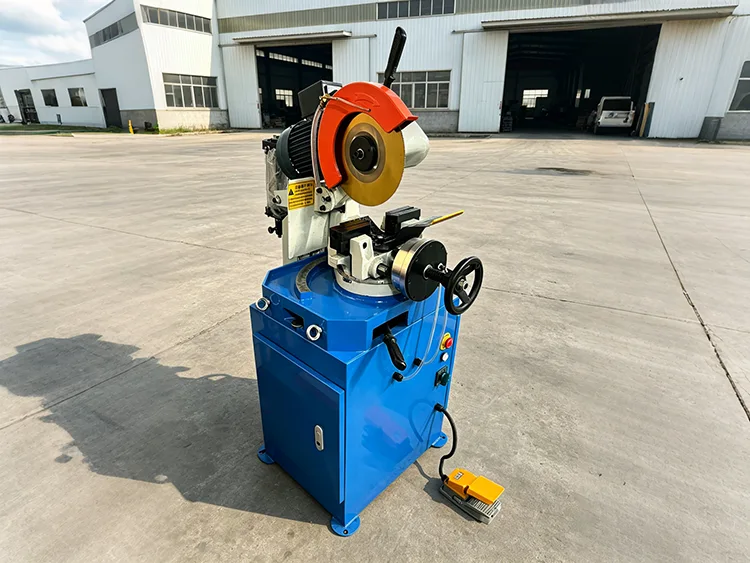
Correct tube preparation is essential. Cutting accuracy, deburring, cleanliness, tube dimensions, sleeve compatibility, and assembly procedure all influence the final connection. A high-quality sleeve cannot compensate for an incorrectly prepared tube or mismatched fitting.
When comparing hydraulic sleeves, engineers should look beyond material alone. Standards, pressure rating, surface treatment, corrosion resistance, dimensional compatibility, and reassembly capability all affect long-term performance.
| Parameter | Specification | Engineering Significance |
|---|---|---|
| Material | High-strength carbon steel | Provides structural strength for hydraulic tube connections |
| Applicable Standards | DIN 2353 L/S, ISO 8434-1 | Supports standardized dimensional compatibility |
| Pressure Rating | Up to 630 bar / 63 MPa | Suitable for demanding high-pressure hydraulic applications |
| Surface Treatment | 8–12 μm zinc plating or black phosphate | Provides surface protection and application flexibility |
| Salt Spray Resistance | 500+ hours | Improves resistance to corrosive environmental exposure |
| Reassembly | 2–3 times under suitable conditions | Supports maintenance and servicing requirements |
| Quality System | ISO 9001:2015 | Supports controlled manufacturing and quality management |
Actual pressure capability must always be evaluated together with the tube material, tube dimensions, fitting configuration, temperature, working medium, and complete hydraulic system design. A component's maximum published rating should not automatically be treated as the allowable rating of an entire assembled system.
Hydraulic equipment frequently operates under substantial pressure fluctuations. A correctly assembled bite-type connection provides a mechanically retained tube interface that can be used in demanding hydraulic circuits. XYOON's carbon steel sleeve range is designed for applications with working pressures up to 630 bar.
The cutting edge is a critical functional area. Precision machining helps achieve controlled engagement with the tube wall, while consistent dimensions support repeatable assembly. This is particularly important when multiple hydraulic connections must be installed across the same machine.
Carbon steel provides useful mechanical strength, while surface treatment improves environmental resistance. XYOON offers zinc-plated versions with 8–12 μm coating thickness and stated salt spray resistance of more than 500 hours. Black phosphate treatment is also available for specific high-temperature or lubrication-free applications.
Compatibility with DIN 2353 and ISO 8434-1 dimensions can simplify sourcing, maintenance, and replacement. For equipment manufacturers and maintenance teams, standardized components can reduce the complexity associated with replacing individual connection parts.
Under normal conditions and provided the cutting edge has not been damaged, the sleeve can support approximately two to three reassembly cycles. This can be useful when hydraulic equipment requires inspection, component replacement, or pipeline maintenance.
The compact design and high-pressure connection characteristics make carbon steel hydraulic sleeves suitable for a broad range of fluid power equipment.
For applications exposed to seawater, chloride-rich environments, or aggressive chemical media, engineers should evaluate whether carbon steel is appropriate. In such environments, stainless steel alternatives such as 304 or 316 grades may provide more suitable corrosion resistance.
Selecting the correct sleeve requires more than matching the nominal pipe diameter. Procurement and engineering teams should evaluate the complete connection system before placing an order.
Before assembly, the tube should be clean, correctly cut, and free from excessive burrs or surface damage. The sleeve and mating components should also be inspected for contamination or deformation. During assembly, follow the manufacturer's specified installation procedure and torque requirements rather than relying on visual judgment alone.
For larger production projects, using controlled tube preparation and standardized assembly procedures can help improve consistency across multiple connections.
Hydraulic connection components may be small, but dimensional accuracy has a direct effect on system reliability. XYOON describes a production quality process covering raw material inspection, precision CNC machining, cutting-edge inspection, hardness testing, surface-treatment verification, and batch-level dimensional inspection.
The manufacturer also states that production batches are traceable by unique batch numbers and that its quality system is certified to ISO 9001:2015, while its products are designed to comply with DIN 2353 and ISO 8434-1 requirements.
For industrial buyers, supplier service can be as important as component specifications. XYOON provides standard sizes for regular supply, custom-size production, technical support, batch traceability, samples upon request, and a 12-month warranty against manufacturing defects.
When evaluating a hydraulic sleeve supplier, buyers should therefore consider both product performance and the supplier's ability to provide consistent dimensions, documentation, technical assistance, and repeat supply.
It is used as a bite-type component in compression tube fittings. During assembly, it grips the outer wall of a seamless steel tube and contributes to a mechanically secure, leak-tight hydraulic connection.
Yes. XYOON carbon hydraulic sleeves are designed according to DIN 2353 and ISO 8434-1 requirements and are intended for compatible standardized compression fitting systems.
The specified pressure rating for the XYOON product is up to 630 bar (63 MPa). However, the allowable working pressure of a complete hydraulic assembly must also consider the tube, fitting, temperature, medium, and system design.
Under normal conditions, approximately two to three reassembly cycles are supported when the cutting edge remains undamaged. Components showing deformation, excessive wear, or damage should be replaced.
The product is available with 8–12 μm zinc plating and black phosphate treatment. The appropriate option depends on the operating temperature, corrosion exposure, and application environment.
Carbon steel may require additional consideration in marine or salt-spray environments. For prolonged exposure to seawater or chloride-rich conditions, stainless steel grades such as 316 should be evaluated for improved corrosion resistance.
Yes. Standard sizes are available for regular procurement, while customized sizes can be produced for specific engineering requirements. XYOON states that custom sizes generally require approximately 15–20 working days.
A well-designed carbon steel sleeve can play an important role in the reliability of high-pressure hydraulic tube connections. By combining controlled biting action, standardized dimensions, surface protection, and maintenance-friendly reassembly, it provides a practical connection solution for construction machinery, machine tools, hydraulic power units, agricultural equipment, and other industrial systems.
For buyers looking for standardized hydraulic connection components, XYOON provides carbon steel sleeves based on DIN 2353 and ISO 8434-1 requirements, with pressure ratings up to 630 bar, multiple surface-treatment options, batch traceability, and technical support. If you are sourcing standard components or developing a customized hydraulic connection solution, contact us to discuss your tube specifications, operating conditions, required quantity, and application requirements with the XYOON team.