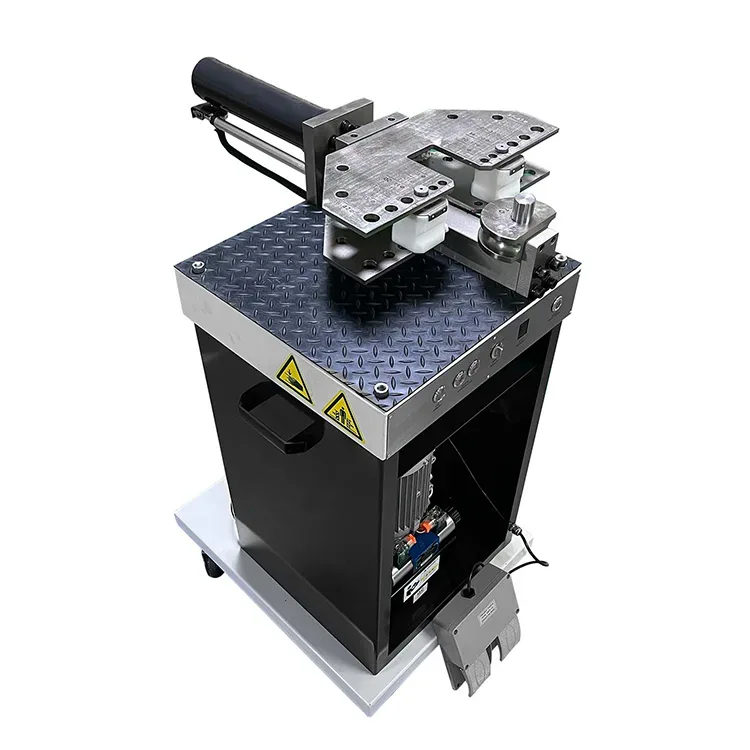
Hydraulic tube assembly design turns system requirements and port locations into a tube that can be formed, connected and installed. A route is ready for fabrication only when the tube and fittings match the tooling, the bends leave usable straight ends, and the installation allows tools to reach the connections.
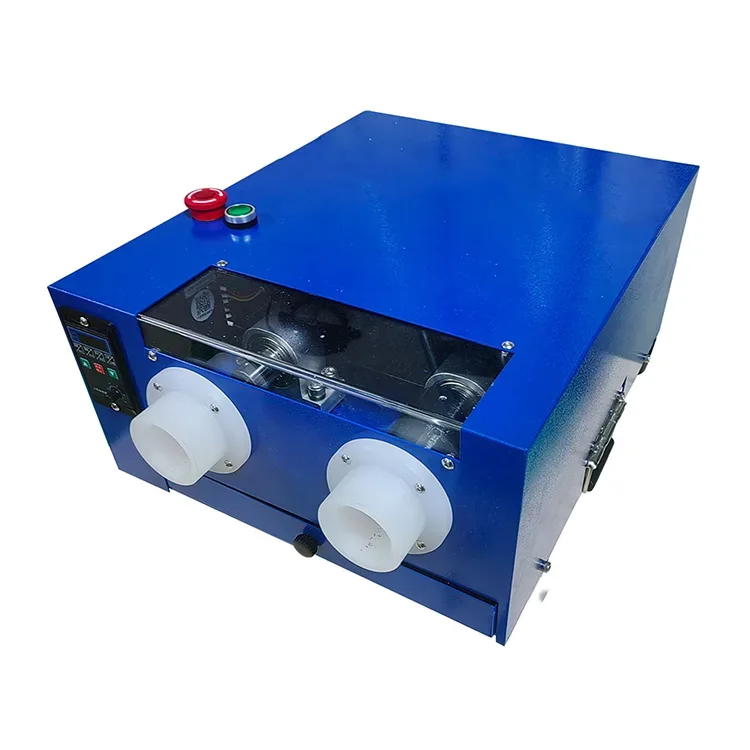
Choose a manual tube deburring tool for mobile repairs and occasional tube-end work. Consider an electric machine when repeated finishing at a fixed station makes operator effort, feeding and consistent setup more important. In either case, approve the finished edge against the connection requirement.
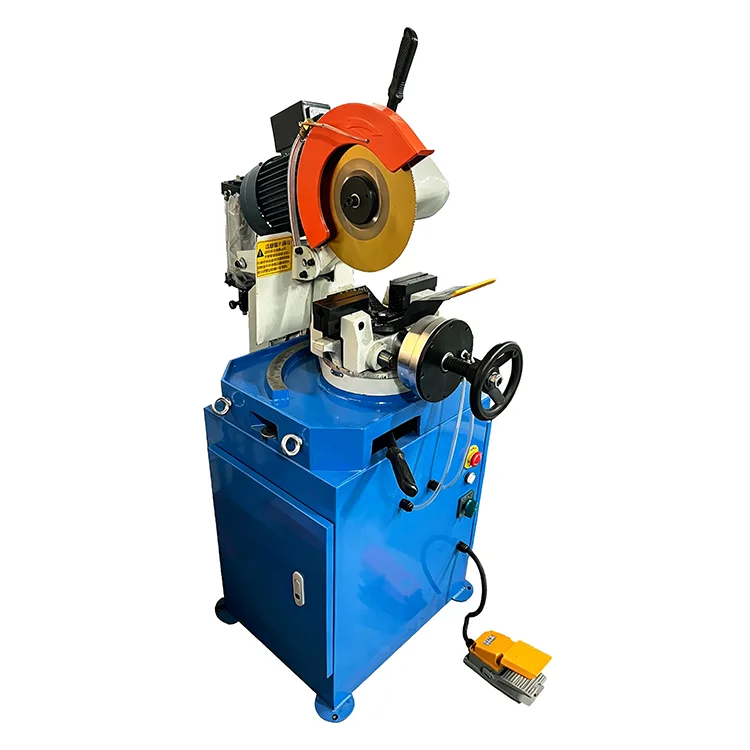
Machine capacity determines whether an operation is feasible, but the drawing and measured first piece decide whether the part can be released. This guide builds a traceable inspection path through cutting, deburring, bending and connection preparation.
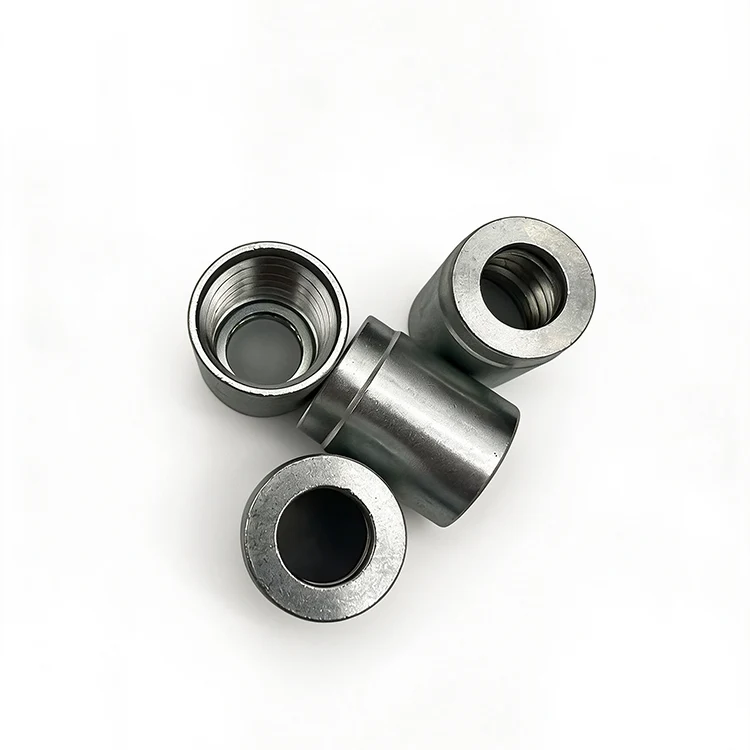
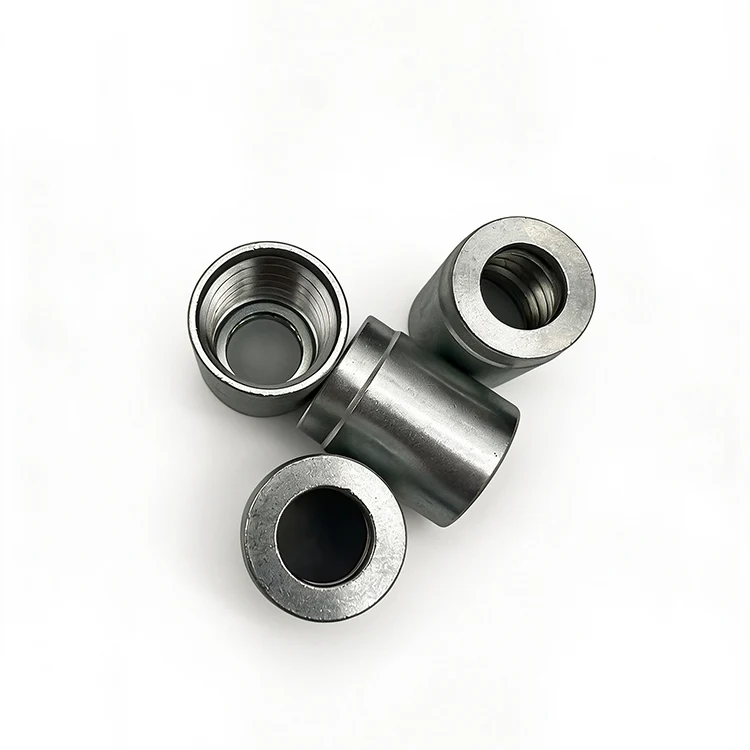
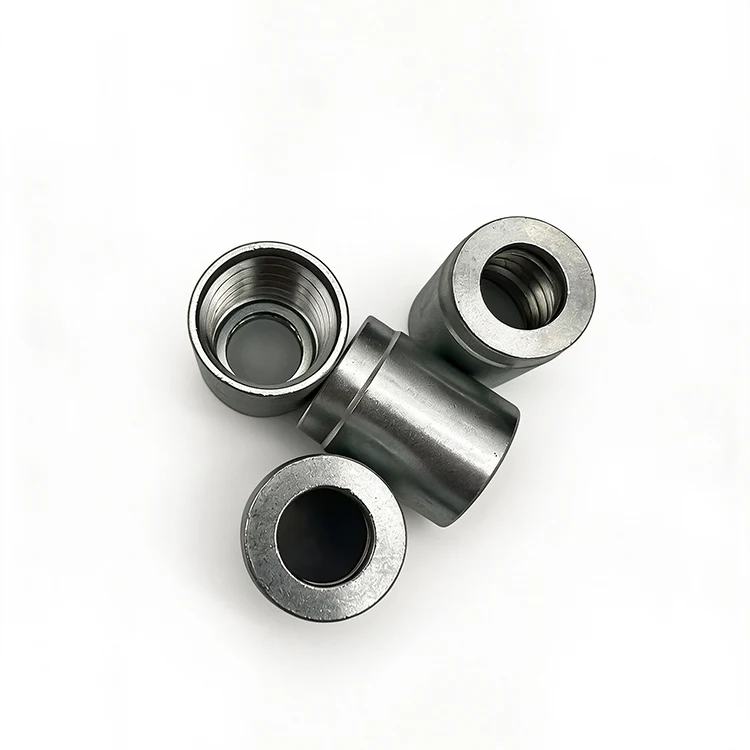
A reliable hydraulic hose connection must withstand pressure, vibration, repeated impulse loads, and demanding operating environments. A properly engineered Crimping Hydraulic Sleeve creates a permanent mechanical connection between a hydraulic hose and its matching hose stem through controlled radial compression. This article explains how crimping sleeves work, what materials and specifications matter, where they are used, and how to select the right solution for high-pressure hydraulic systems.
A reliable hydraulic tube connection depends on more than the fitting body alone. A properly selected Carbon Hydraulic Sleeve can reinforce the tube connection, improve load distribution, support metal-to-metal sealing, and reduce the risk of leakage caused by vibration or assembly stress. This guide explains its working principle, specifications, advantages, applications, installation considerations, and selection factors for industrial hydraulic systems.
A reliable hydraulic hose assembly depends on more than the hose and fitting alone. The crimp sleeve plays a critical role in creating a secure, leak-resistant connection while protecting the hose during operation. This article explains how a Flexible Hose Hydraulic Sleeve works, its key performance factors, suitable applications, material options, crimping considerations, and how to select the right sleeve for demanding hydraulic systems.
We use cookies to offer you a better browsing experience, analyze site traffic and personalize content. By using this site, you agree to our use of cookies. Privacy Policy


 2026-11-05
 2026-10-27
 2026-09-30
 2026-09-24
 2026-09-17
 2026-09-11