
Article Summary: A reliable hydraulic hose assembly depends on more than the hose and fitting alone. The crimp sleeve plays a critical role in creating a secure, leak-resistant connection while protecting the hose during operation. This article explains how a Flexible Hose Hydraulic Sleeve works, its key performance factors, suitable applications, material options, crimping considerations, and how to select the right sleeve for demanding hydraulic systems.
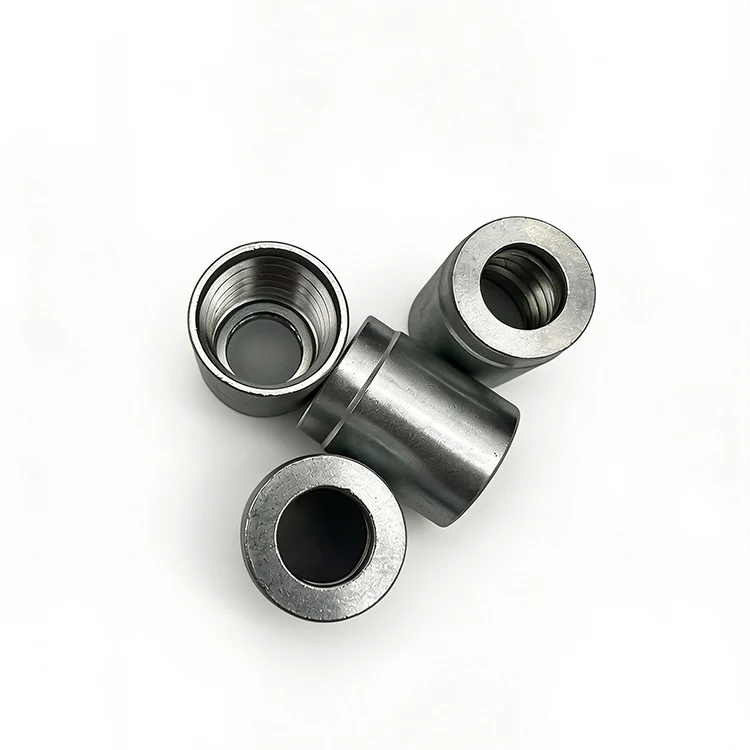
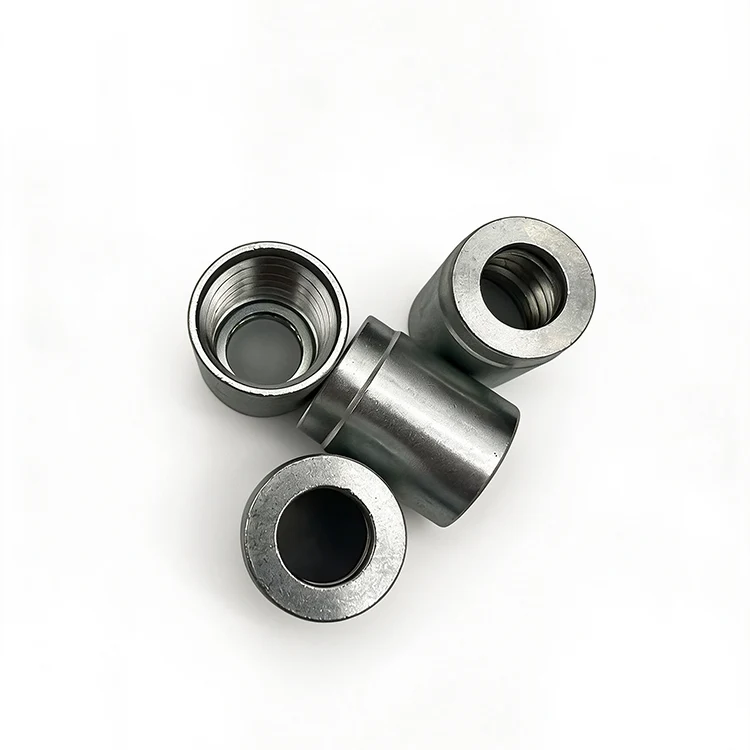
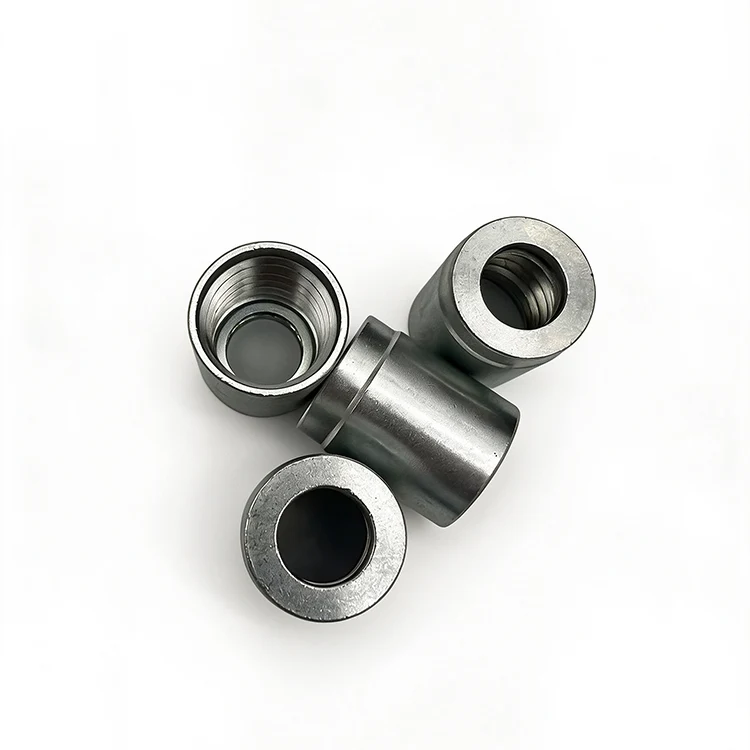
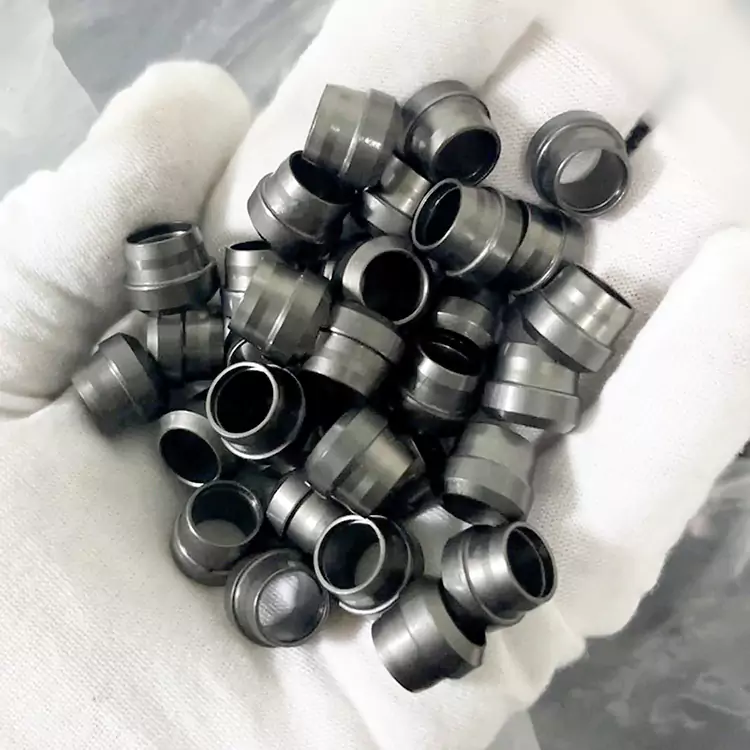
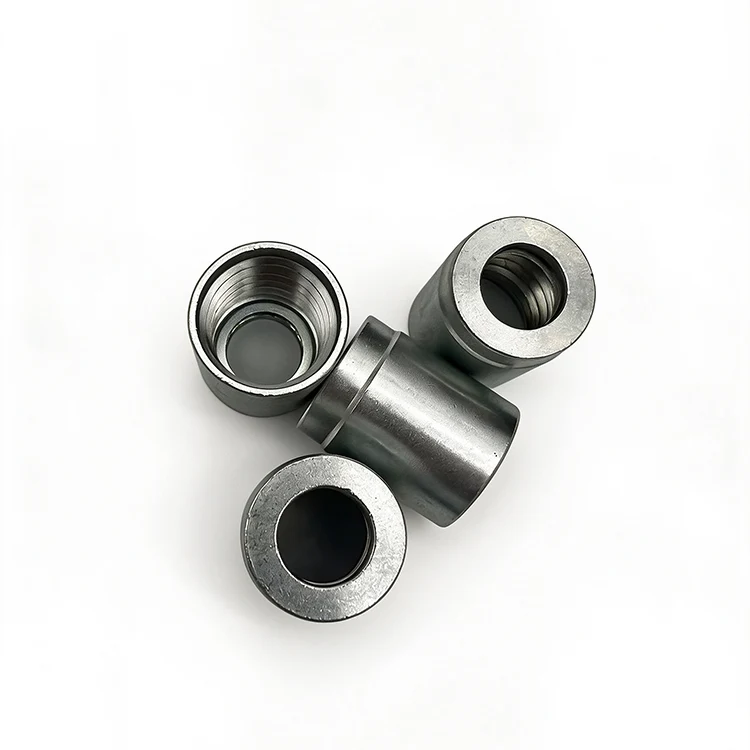
A Flexible Hose Hydraulic Sleeve is a cylindrical metal crimp component used to secure a hydraulic hose to a compatible hose stem. During assembly, a crimping machine applies controlled radial force to deform the sleeve around the hose and fitting, creating a permanent mechanical connection. Unlike basic hose clamps, a properly engineered crimped connection is designed for demanding hydraulic environments where pressure pulses, vibration, movement, and mechanical stress are common.
According to XYOON's product specifications, its sleeve is designed around SAE J516 and DIN requirements, with dimensional tolerance control down to ±0.05 mm, a stated one-time crimp pass rate of 99.8%, and more than 500 hours of salt-spray resistance for the specified surface treatment. These characteristics make dimensional consistency and controlled deformation important considerations for hose assembly manufacturers.
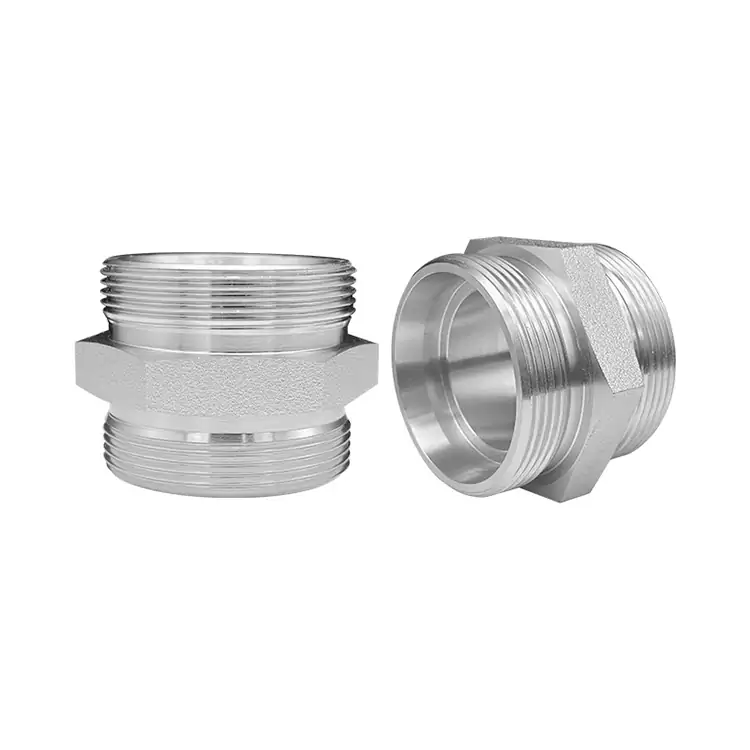
For manufacturers and maintenance teams, the sleeve should therefore be viewed as part of a complete hose-end connection system rather than an isolated metal component. Compatibility among the hose, stem, sleeve, crimping machine, and crimp parameters is essential.
Hydraulic systems can operate under substantial pressure while equipment is simultaneously exposed to vibration and repeated movement. A poorly assembled hose connection may result in leakage, hose pull-off, premature wear, or unexpected maintenance downtime.
A properly selected sleeve contributes to several important functions:
For this reason, the sleeve should be specified together with the hose and hose stem instead of being selected solely by external dimensions.
When sourcing hydraulic hose assembly components, buyers should look beyond price and basic appearance. Dimensional accuracy, surface protection, compatibility, and manufacturing consistency can directly affect assembly efficiency and long-term reliability.
| Evaluation Factor | Why It Matters | What Buyers Should Check |
|---|---|---|
| Dimensional tolerance | Supports consistent crimp deformation | Inner diameter, length, wall dimensions and tolerance data |
| Material | Determines strength and environmental resistance | Carbon steel, stainless steel and required material grade |
| Surface treatment | Helps resist corrosion during storage and operation | Zinc plating thickness or stainless-steel finish |
| Internal geometry | Helps protect the hose during crimping | Chamfer quality, burr control and surface smoothness |
| Crimp compatibility | Reduces assembly errors and rejects | Recommended crimp diameter and machine compatibility |
| Quality consistency | Important for mass production | Inspection procedures, sampling and production controls |
For industrial buyers, technical documentation can be just as important as the physical component. Crimp diameter tables, compatibility information, inspection records, and material documentation can simplify production setup and quality control.
Hydraulic hose assemblies are found in equipment where hydraulic fluid transfers power between pumps, valves, actuators, and other components. The operating environment can vary significantly, so sleeve selection should reflect pressure, vibration, corrosion exposure, temperature, and maintenance requirements.
Excavators, loaders, cranes, bulldozers, and similar machines use numerous hydraulic lines. These hoses are exposed to vibration, movement, impact, and changing loads, making secure crimped connections particularly important.
Mining and metallurgical equipment can place hydraulic components under demanding mechanical conditions. Robust hose-end connections help support reliable fluid transmission and reduce the possibility of connection-related downtime.
Tractors, harvesters, and other agricultural equipment rely on hydraulic systems for steering, lifting, braking, and implements. A dependable hose assembly can help simplify maintenance and support continuous operation during demanding work cycles.
Repair shops frequently need to produce replacement hose assemblies quickly. Standardized sleeves with clear crimping specifications can improve workshop efficiency and reduce trial-and-error during hose assembly.
Material selection should be based on the operating environment rather than simply choosing the lowest-cost option. Carbon steel with an appropriate protective coating can provide a practical solution for many general hydraulic applications, while stainless steel is often preferable where corrosion exposure is severe.
XYOON also offers stainless-steel hydraulic sleeve options alongside carbon-steel products, allowing buyers to select components according to their operating conditions rather than relying on a single material configuration.
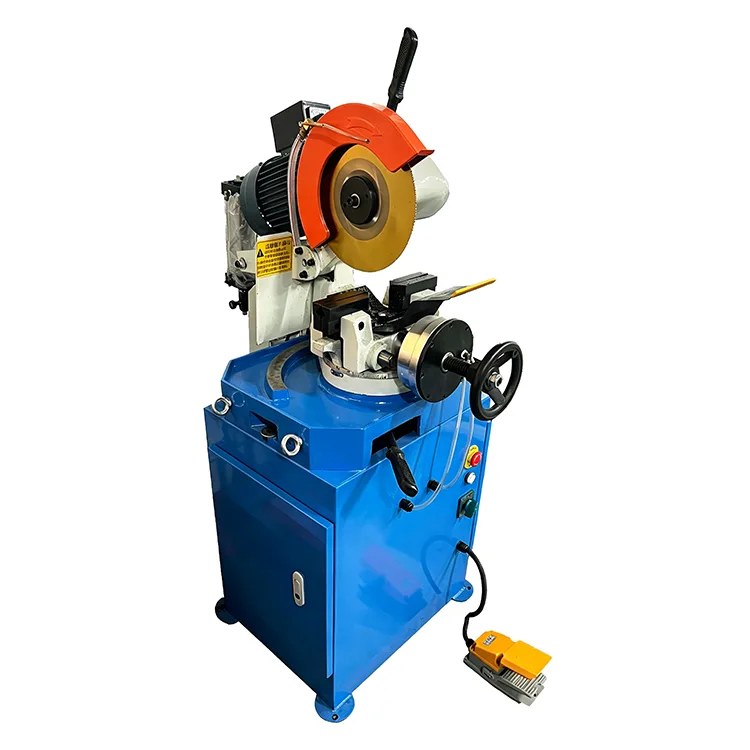
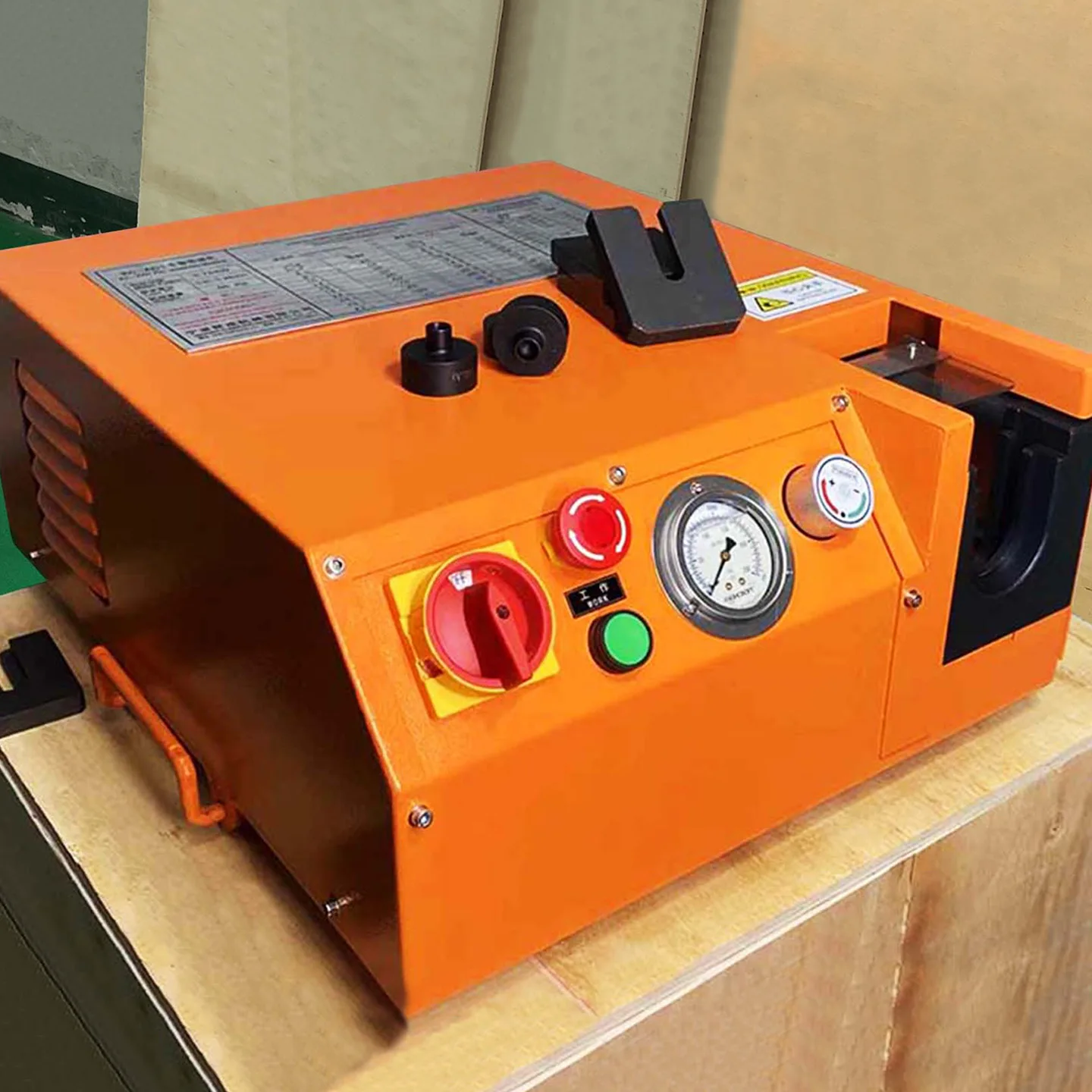
Even a high-quality sleeve can perform poorly if the crimping process is incorrect. The hose, hose stem, sleeve, and crimping machine must work as a matched system. Excessive crimping can damage the hose reinforcement, while insufficient crimping may allow hose pull-off or leakage.
A controlled assembly process should normally include:
For production environments, documented crimping parameters are especially valuable because they help operators reproduce the same assembly quality across multiple production batches.
Purchasing teams can reduce compatibility problems by preparing technical information before requesting a quotation. Instead of asking only for a sleeve by nominal size, provide the supplier with the complete application requirements.
A useful purchasing checklist includes:
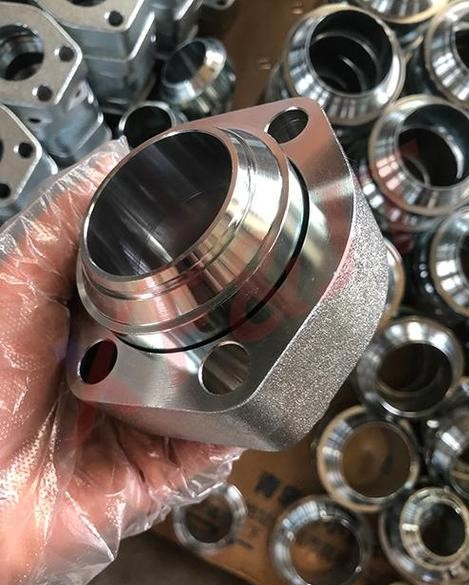
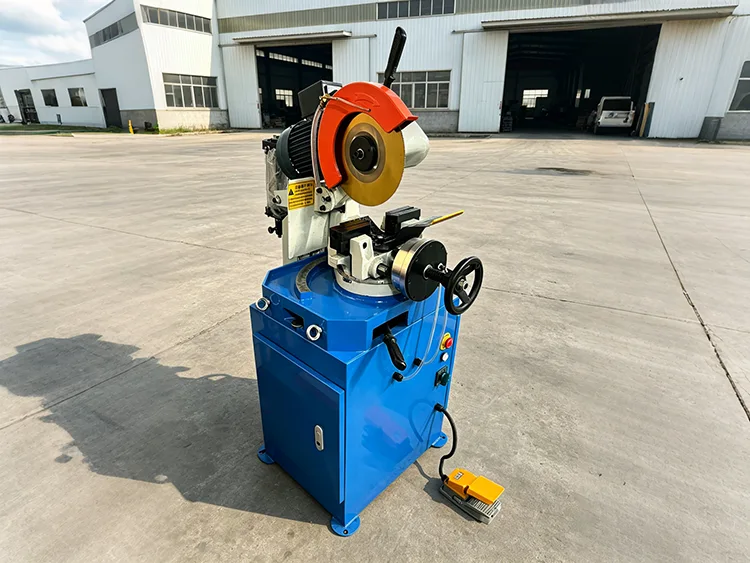
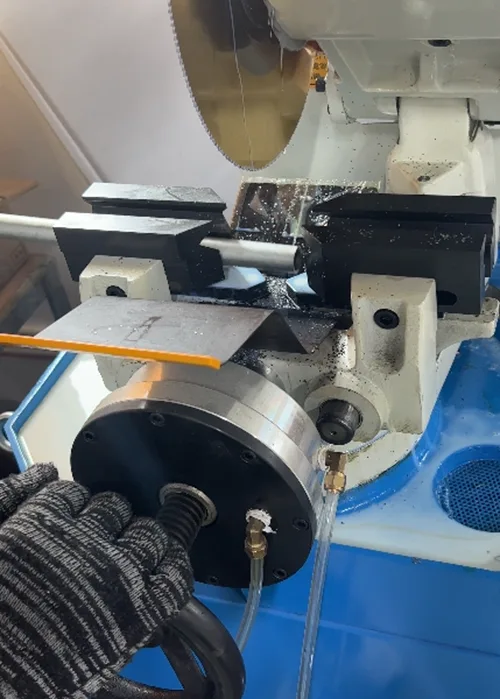
For overseas buyers, a supplier capable of providing crimp data and technical assistance can offer an additional advantage. XYOON states that it provides standard crimp diameter parameters and can adjust crimping data according to specific hose requirements. Its stated production process includes CNC precision turning, chamfering and deburring, surface treatment, dimensional inspection, performance sampling, anti-rust packaging, and final inspection.
A hydraulic sleeve is the external metal crimp component that is compressed around the hose and stem. A hose ferrule or insert can refer to a different internal fitting component depending on the connection design. Buyers should confirm terminology with the supplier before ordering.
Compatibility depends on dimensions, standards, hose construction, and crimping parameters. XYOON states that its sleeves are manufactured according to SAE J516 and DIN requirements and are compatible with many mainstream hose-stem configurations. Specific compatibility should still be verified before production use.
Useful technical information includes recommended crimp diameter, applicable hose and fitting combinations, tooling requirements, assembly instructions, and inspection criteria. For customized hose assemblies, suppliers may also need the hose manufacturer's specifications.
According to the current XYOON product information, standard sizes have a stated MOQ of 500 pieces, while customized sizes have a stated MOQ of 1,000 pieces. Sample quantities of 50–100 pieces are also indicated as available. Buyers should confirm current commercial terms before placing an order.
Correct material selection, accurate crimping, proper hose compatibility, corrosion protection, and regular inspection all contribute to longer service life. Avoiding excessive crimping force and selecting components with smooth internal geometry can also help protect the hose during assembly.
A hydraulic hose connection is only as reliable as the components and assembly process behind it. A well-engineered sleeve can improve mechanical retention, support sealing stability, protect the hose during crimping, and provide repeatable results for industrial hose assembly production. When sourcing a Flexible Hose Hydraulic Sleeve, buyers should evaluate dimensional accuracy, material, corrosion resistance, hose compatibility, crimping data, inspection standards, and technical support together rather than focusing on unit price alone.
For manufacturers, distributors, hydraulic repair companies, and equipment builders looking for reliable hose assembly components, XYOON provides hydraulic sleeves with multiple material options, crimping guidance, customization support, and technical assistance. To discuss specifications, compatibility, bulk orders, or customized requirements, contact us and let the XYOON team help you identify the right hydraulic sleeve solution for your application.