
Article Summary:
L and S identify complete dimensional and performance families, not just two cutting ring strengths. A defensible selection matches pressure, tube OD and wall, material, fitting geometry, tooling and the exact manufacturer rating.
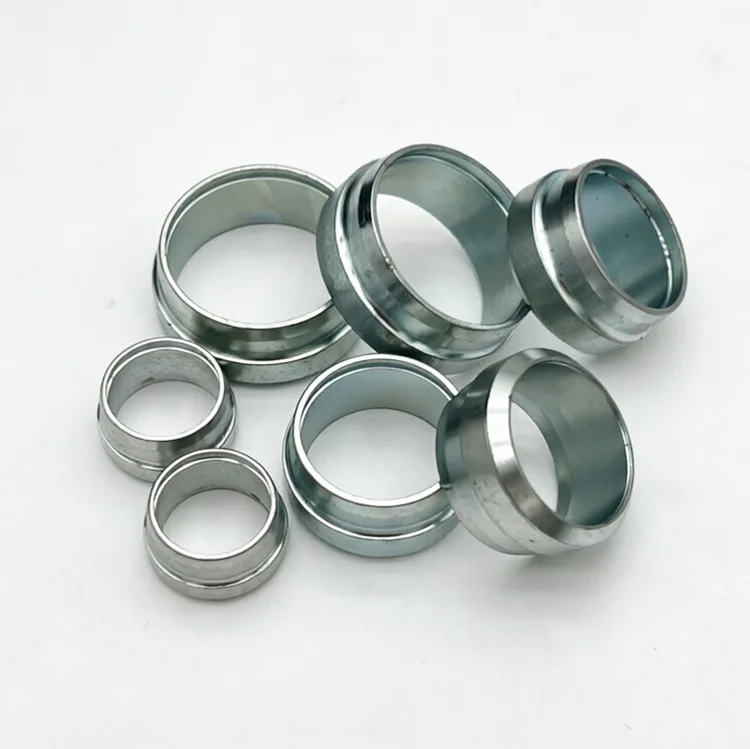
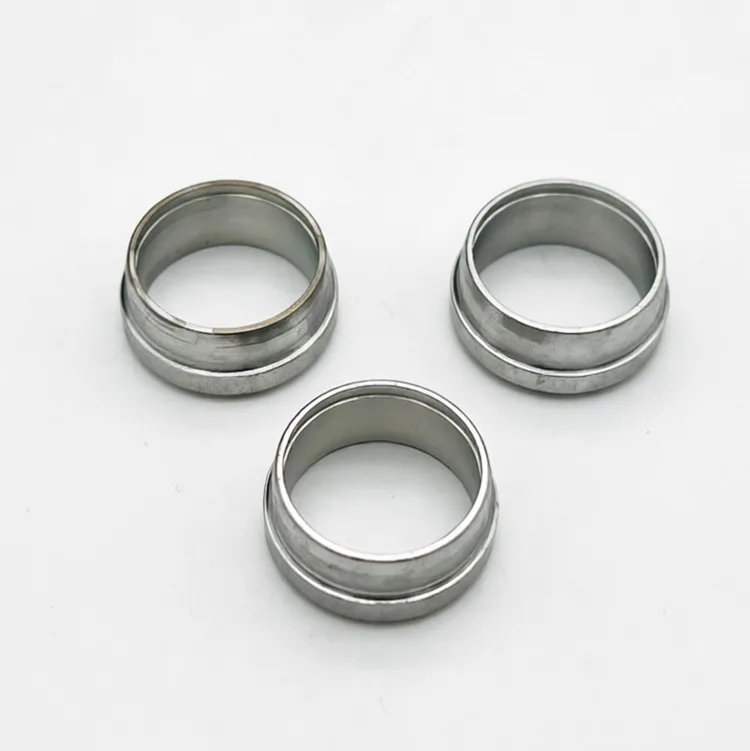
Choose the L or S series from the complete connection specification, not from tube outside diameter alone. The decision must account for design pressure, pressure peaks, tube material and wall thickness, fitting geometry, temperature, fluid, vibration, assembly method and the manufacturer's rated data for the exact part.
L means light series and S means heavy series. Those names identify dimensional and performance families. They do not mean that an L cutting ring can be installed in an S fitting body, or that choosing S automatically fixes an underspecified tube.
The practical difference between L and S
| Selection point | L series | S series |
|---|---|---|
| General role | Compact connection family for applications that fit the manufacturer's L-series pressure and tube data | Heavier connection family for applications that require the manufacturer's S-series dimensions and ratings |
| Envelope | Usually smaller and lighter for a comparable tube OD | Usually larger body, nut and thread geometry for a comparable tube OD |
| Tube matrix | Uses the L-series tube OD and wall combinations approved by the manufacturer | Uses the S-series tube OD and wall combinations approved by the manufacturer |
| Components | L body, L nut, approved L ring and matching tube | S body, S nut, approved S ring and matching tube |
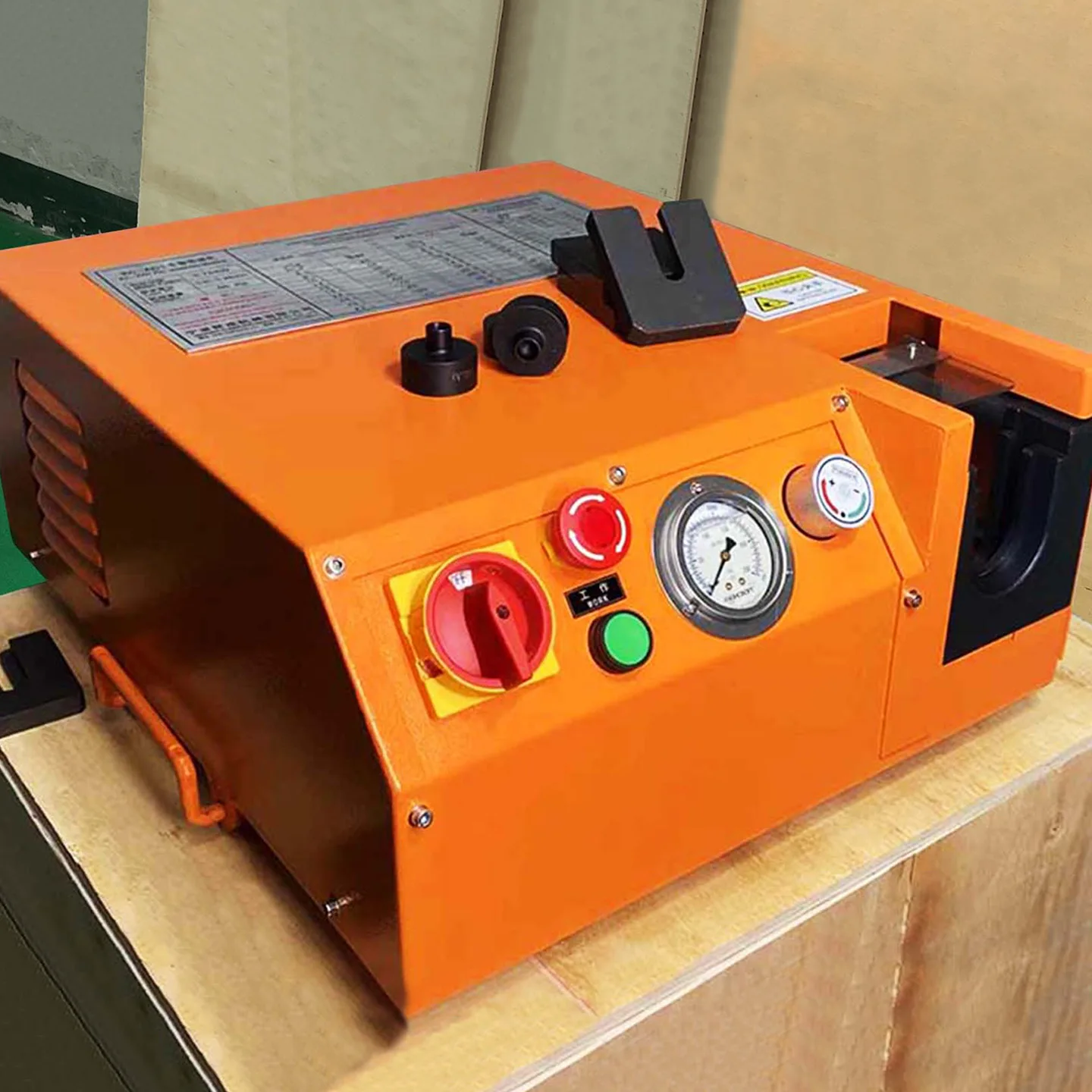
| Assembly tooling | L-series cone, support plate and machine setting | S-series cone, support plate and machine setting |
| Best reason to choose it | It meets the application requirements with the smaller approved connection | The application and rated component data require the heavy series |
This is a family-level comparison. The pressure rating and permitted tube wall can change with size, fitting shape, material, seal, thread and manufacturer.
Series is more than the cutting ring
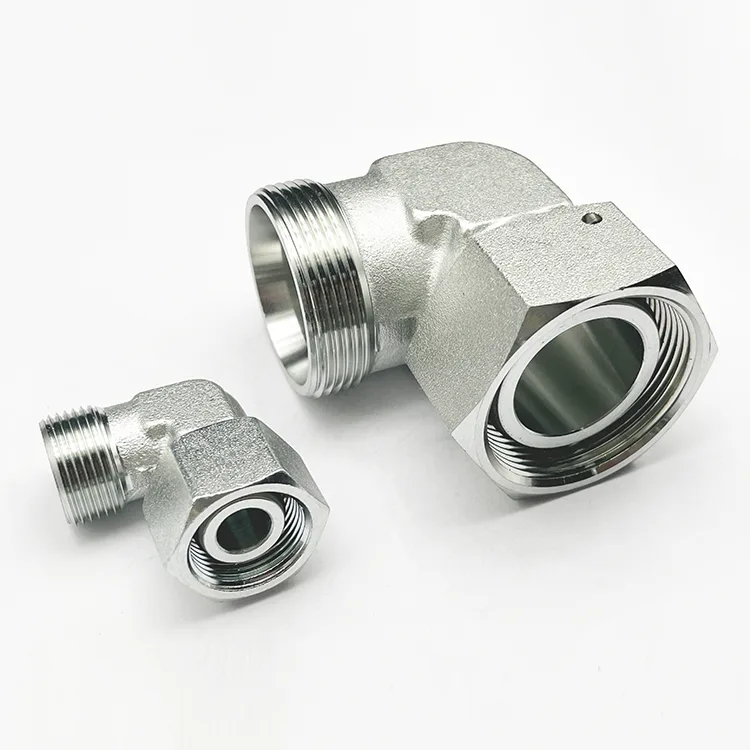
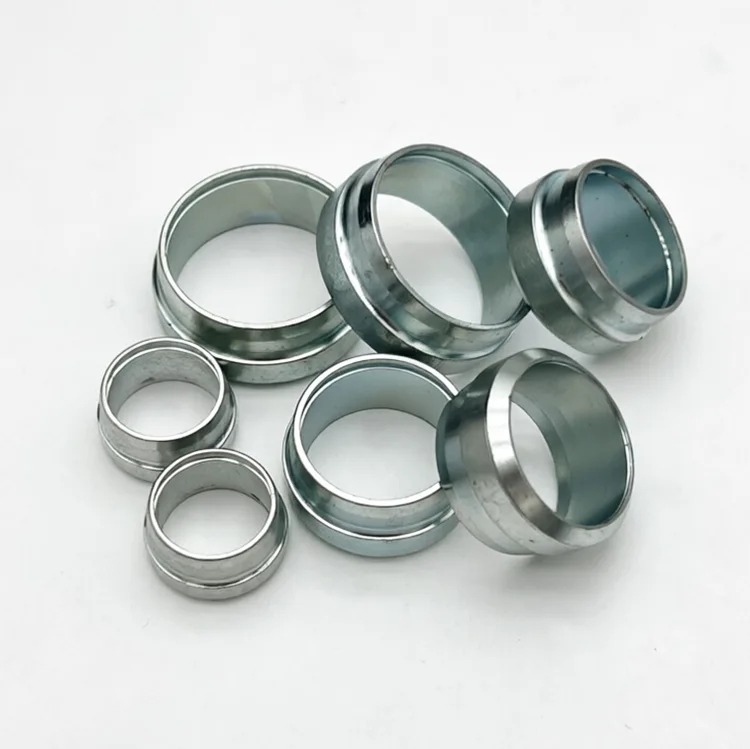
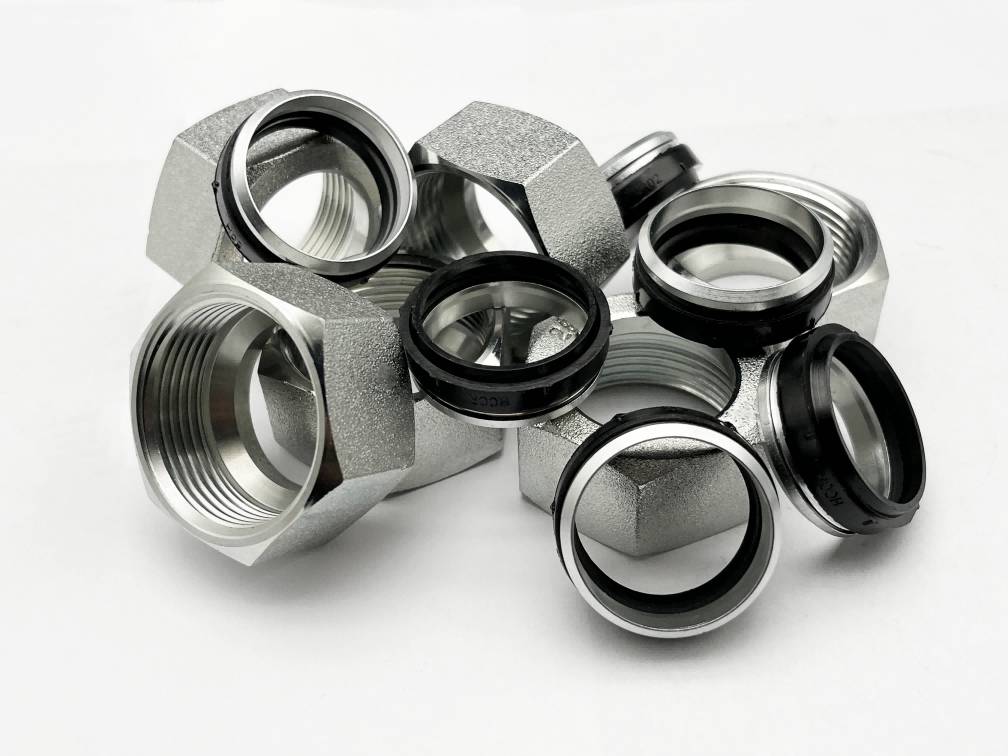
A 24 degree cutting ring connection works as a system. The tube, ring, nut, fitting body, port end and assembly tool must belong to an approved combination.
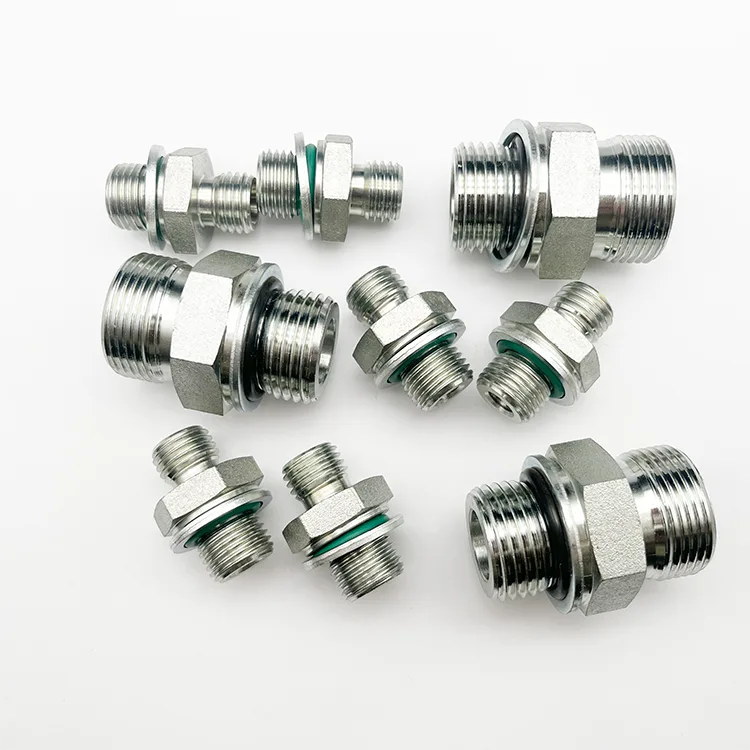
Parker's current EO catalog lists very light, light and heavy series as LL, L and S. Its ordering examples show that the series code forms part of the fitting identity, alongside tube OD, material, seal and thread information. Parker also says that the user should select the series from intended system pressure and then consult the rating table for the exact fitting configuration.
The same outside diameter can appear in more than one series. That does not make the parts interchangeable. A 12 mm L connection and a 12 mm S connection can use different body threads, nuts, rings, dimensions and assembly settings.
Start with pressure, but do not stop there
Design pressure is the first filter. Include the maximum continuous pressure, expected peaks, impulse duty and any test pressure required by the project. Then check the current manufacturer's table for the exact fitting part, material and size.
Do not copy one headline pressure across a full series. Even within a single manufacturer's catalog, ratings are published by configuration. Elbows, tees, reducers, straight connectors and port ends may not all share the same limit. Temperature and material can introduce further reductions.
The ISO 8434-1:2018 page states that the standard covers general and dimensional requirements for 24 degree cone connectors and includes performance and qualification testing. ISO also cautions that many factors affect satisfactory system performance and that published pressures are not guaranteed minimums for every application. The user and manufacturer still need to review the actual application.
Tube outside diameter is only one field
An RFQ that says "12 mm hydraulic tube" is incomplete. At minimum, add:
- wall thickness and inside diameter;
- tube material and material standard;
- hardness and dimensional tolerance when required by the fitting instructions;
- straight-end length available for assembly;
- design pressure, peak pressure and temperature;
- vibration, shock and movement conditions;
- corrosion environment and fluid compatibility.
Tube wall thickness affects both pressure capacity and assembly behavior. A tube that is too light for the selected combination may deform rather than support the ring bite. A tube that is too heavy can create a different mismatch with the intended fitting and flow requirement.
Parker's European industrial tube fitting catalog notes that light-wall tube may require a support sleeve and directs users to its product-specific selection chart. This is not permission to add any sleeve to any tube. The sleeve, tube and fitting must be approved as a set.
Why choosing S "to be safe" can be a poor shortcut
S series may be appropriate when the rated system data require it, but oversizing by habit can create avoidable problems:
- larger fittings need more installation space;
- component and tube mass can increase;
- assembly force and tool requirements may change;
- the selected tube wall may reduce internal flow area;
- spare parts and workshop tooling become more complex;
- an S fitting still fails if the tube, ring, body or assembly process is wrong.
The correct design has adequate margin in the manufacturer's rated system. More metal is not a substitute for checking pressure, fatigue, temperature, routing and installation.
When L series is a sensible choice
L series is a reasonable starting point when its current component tables cover the design pressure, temperature, tube material and duty. It can help keep a tube system compact, especially where routing space and mass matter.
Do not describe L series as universally "low pressure." Parker's catalog, for example, publishes substantial ratings for its own L-series products. Those values belong to Parker's listed configurations and cannot be transferred to an unverified component from another supplier.
Select L only after the exact fitting shape, tube wall and material have been checked. If the system has severe pressure spikes or vibration, verify the dynamic application rather than changing series based on a label.
When S series belongs on the shortlist
S series should be evaluated when the required pressure and mechanical duty exceed the approved L-series option, when the project specification calls for S geometry, or when an existing system must be matched like for like.
It is also common in equipment where connection size and tube construction have already been established by an OEM. In that case, changing from S to L is a redesign, not a purchasing substitution. It may affect the tube, supports, port adapters, assembly tooling and qualification record.
Use the actual manufacturer's data. As one brand-specific example, Parker publishes different maximum recommended working pressures for its L and S product ranges. STAUFF likewise lists cutting rings and assembly equipment in separate LL, L and S series. These sources confirm the series structure, not cross-brand interchangeability.
Five checks before approving a series
1. Confirm the design conditions
Record continuous pressure, peak pressure, test pressure, temperature, fluid, vibration and expected service life. If data are missing, stop the selection instead of filling the gap with a larger series.
2. Select the tube as part of the connection
Match outside diameter, wall thickness, material, hardness and tolerance to the fitting manufacturer's tube table. Check whether an approved support sleeve is required.
3. Verify the exact fitting configuration
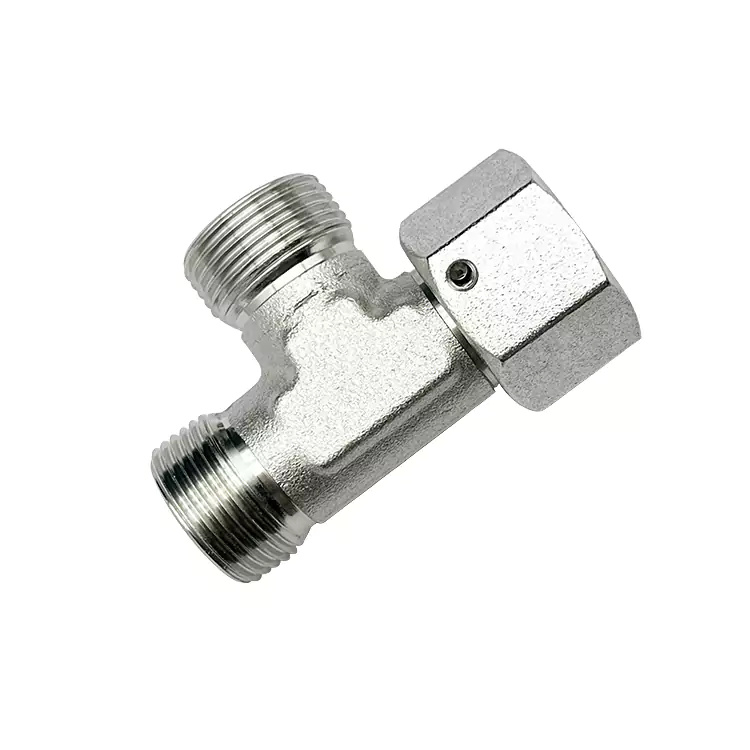
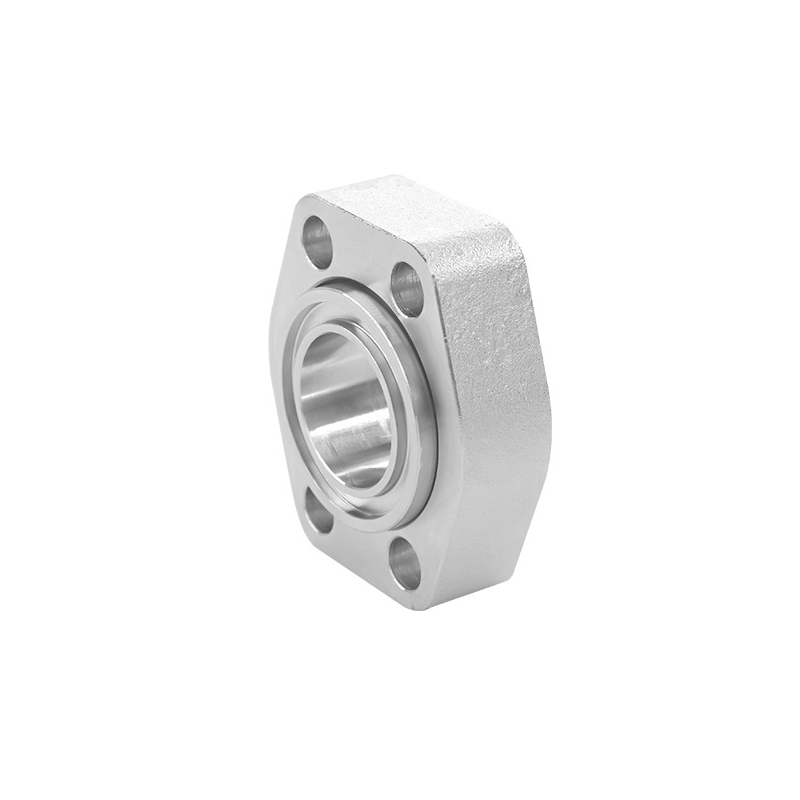
Use the part-level rating for the body shape, port end, material and seal. Do not apply the straight-union rating to every elbow, tee or adjustable stud fitting.
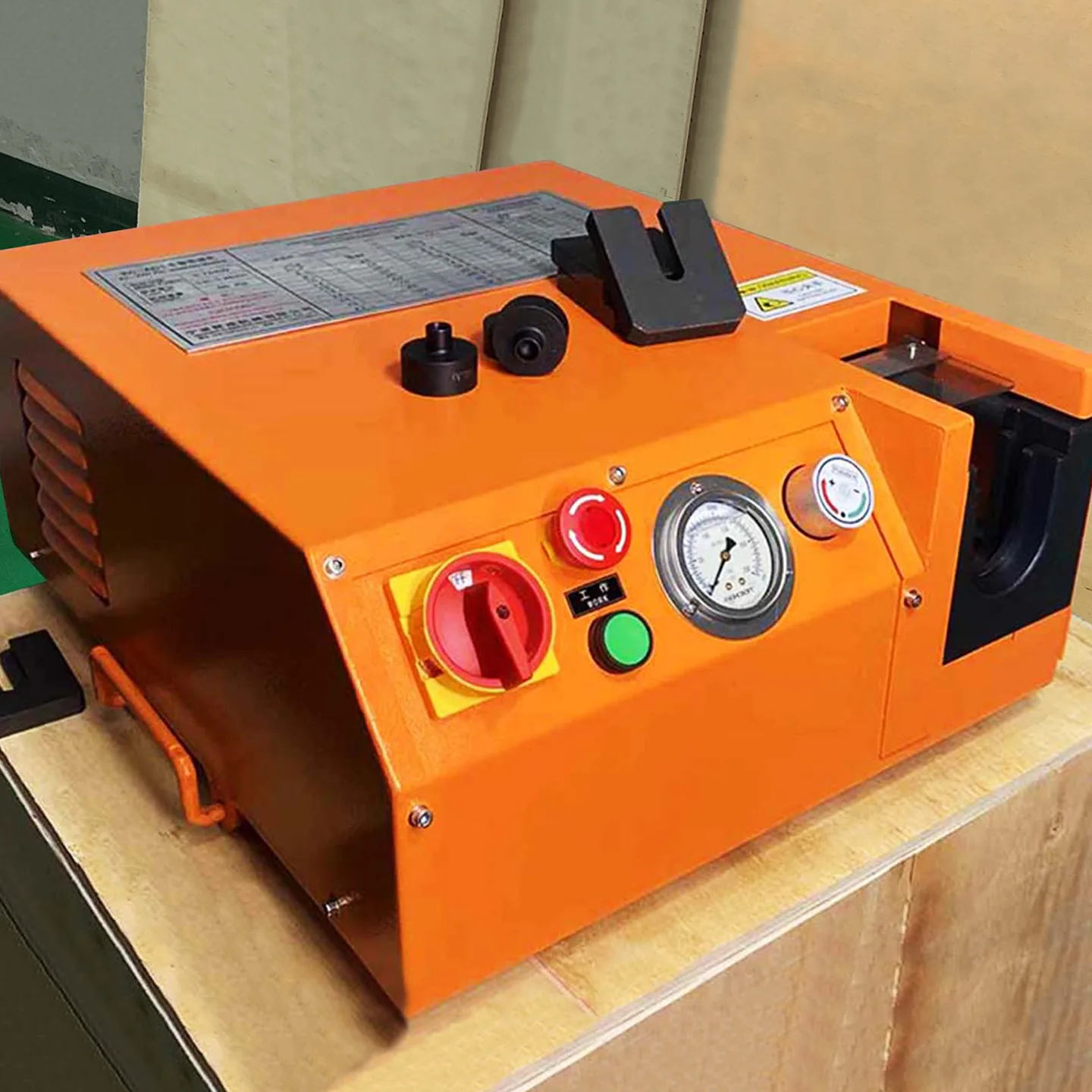
4. Lock the components and tools together
The bill of materials should state series on the body, nut, ring and assembly tool. The pre-assembly versus final assembly guide explains why tool identity and the remaining installation movement must also be documented.
5. Approve a physical sample
Assemble and inspect representative minimum and maximum sizes. Include the thinnest approved wall, the selected materials and the actual machine or hand tool. Define what makes the sample acceptable before production begins.
Common L and S selection mistakes
| Mistake | Why it causes trouble | Better check |
|---|---|---|
| Selecting by tube OD alone | The same OD may exist in different series | Confirm body, nut, ring, thread, tube wall and tool code |
| Assuming S is always safer | A larger family does not correct an incompatible tube or poor assembly | Verify the complete rated combination |
| Mixing brands because dimensions look similar | Material, geometry, tolerances and assembly instructions can differ | Obtain written compatibility approval |
| Using a series-wide pressure claim | Rating may vary by part shape, size and material | Use the exact part table |
| Ignoring support-sleeve rules | Thin tube can deform during ring setting | Use the manufacturer's tube and sleeve chart |
| Keeping one machine setting for L and S | Tool and force requirements can differ | Store settings by manufacturer, size, series, material and wall |
If an assembled part shows uneven bite, crushing or a loose ring, use the cutting ring assembly defect guide and quarantine the affected batch.
XYOON L and S series pages
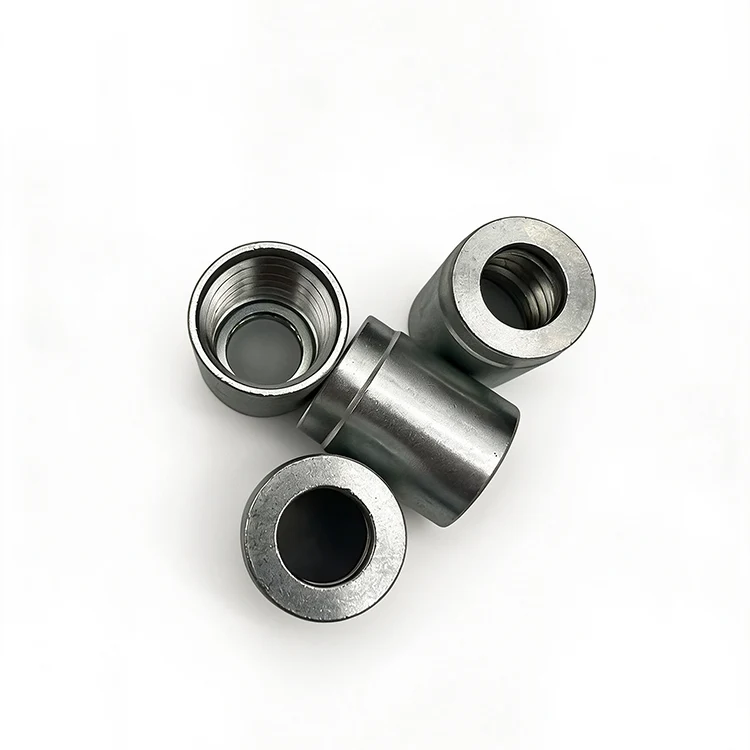
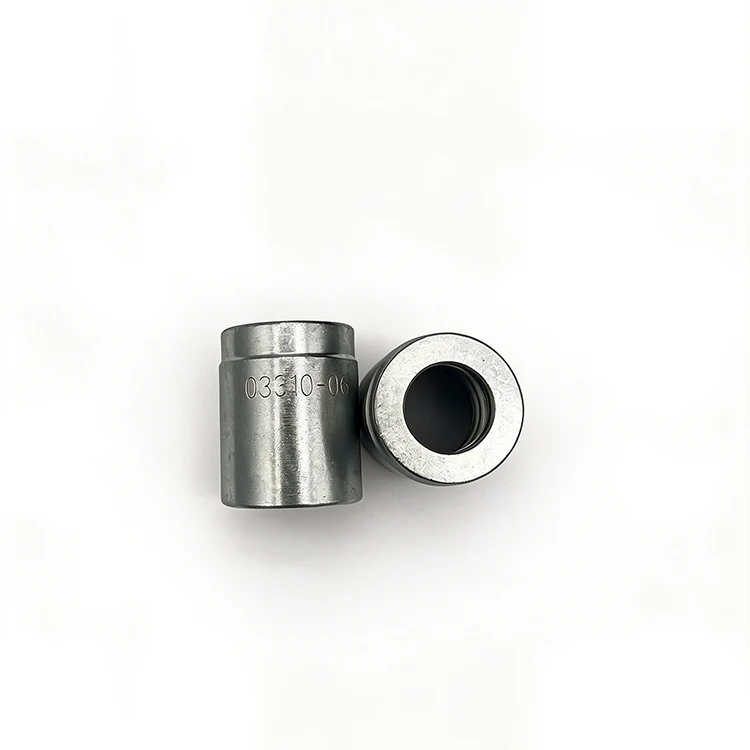
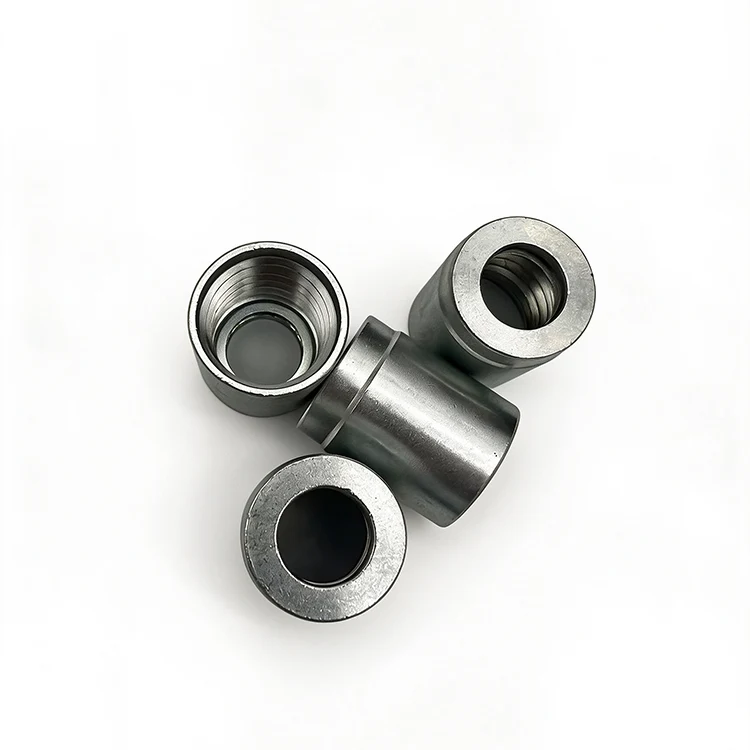
XYOON currently lists separate light-duty L-series ferrules and heavy-duty S-series ferrules. The pages publish materials, sizes and pressure claims, but those website statements should be confirmed against controlled drawings, test reports and part-specific datasheets before purchase.
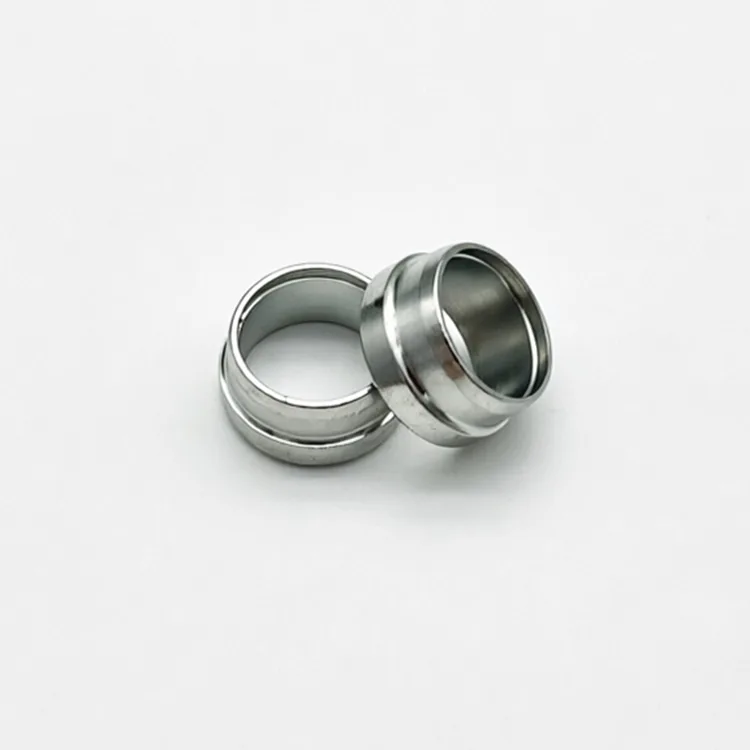
Do not rely on broad interchangeability language. For a defensible quotation, ask XYOON to return:
- exact ferrule, nut and fitting body part numbers;
- L or S series identification for every component;
- tube OD, wall thickness, material and tolerance matrix;
- rated pressure by fitting configuration and material;
- applicable temperature and derating information;
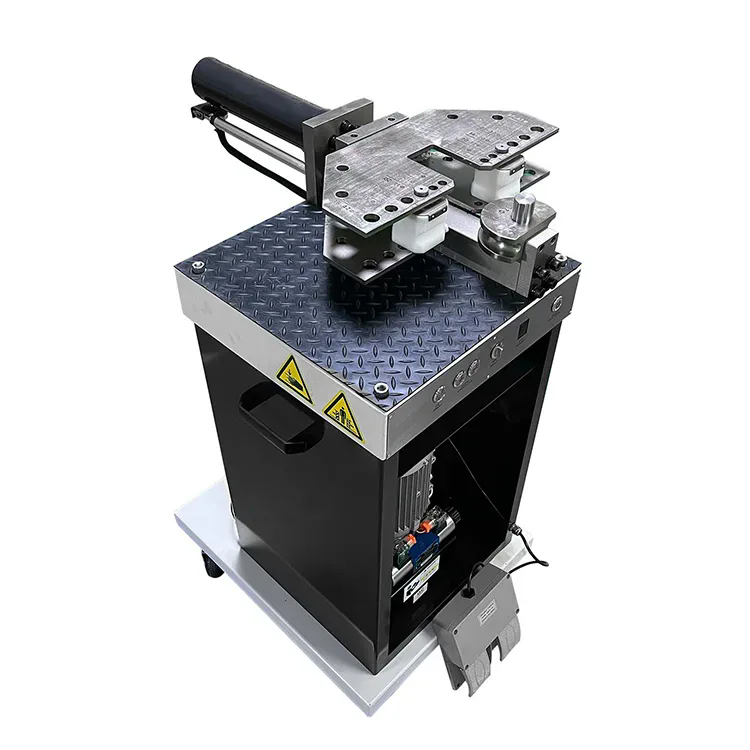
- assembly tooling and machine setting list;
- inspection criteria and sample approval plan;
- standards and test documents tied to the quoted parts.
XYOON's hydraulic ferrule category can be used to identify the available product families. The final selection still needs part-level confirmation.
A concise RFQ example
Instead of writing:
Need 12 mm heavy-duty cutting rings.
Write:
Please quote a complete 12 mm 24 degree cutting ring connection for the stated design conditions. Confirm L or S series, tube material and wall range, fitting configuration ratings, ring and nut part numbers, assembly tooling, machine settings, inspection method and final installation instructions.
Attach the pressure and temperature profile, fluid, tube specification, fitting drawing, required port thread, quantities and representative samples. Use the XYOON inquiry page to send the matrix.
Sources
- ISO 8434-1:2018, Metallic tube connections for fluid power and general use, Part 1: 24 degree cone connectors
- Parker Catalog 4300, EO and EO-2 metric bite-type fittings
- Parker Industrial Tube Fittings Europe, Catalogue 4100
- STAUFF cutting rings in LL, L and S series
- STAUFF portable cutting ring assembly machine series and tube sizes
- VOSS tube coupling technology catalog
Need help matching a tube range, fitting series and batch requirement to the right equipment? Contact XYOON with the tube OD, wall thickness, material and expected output.