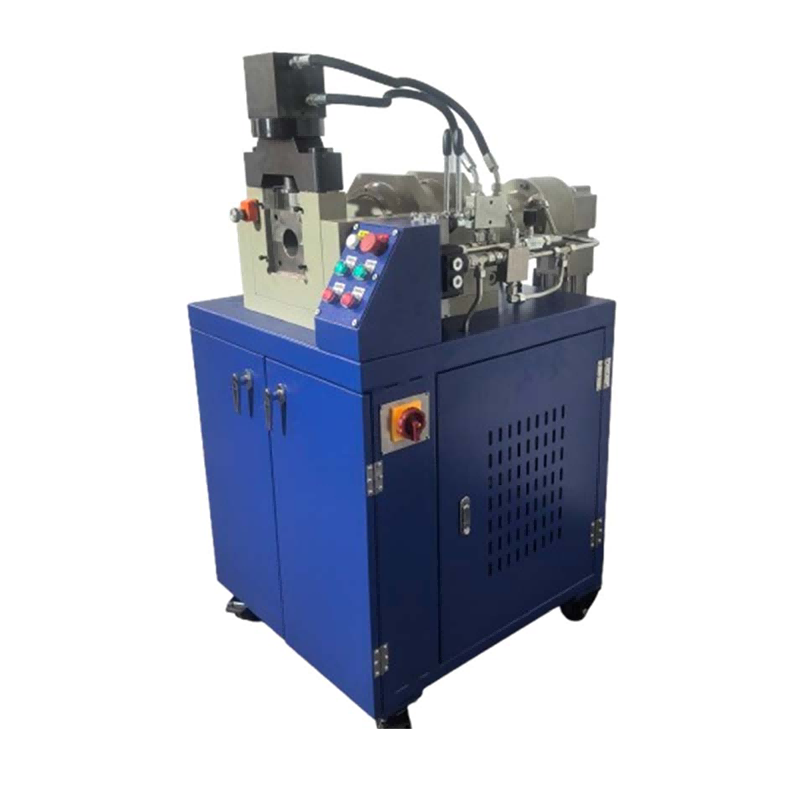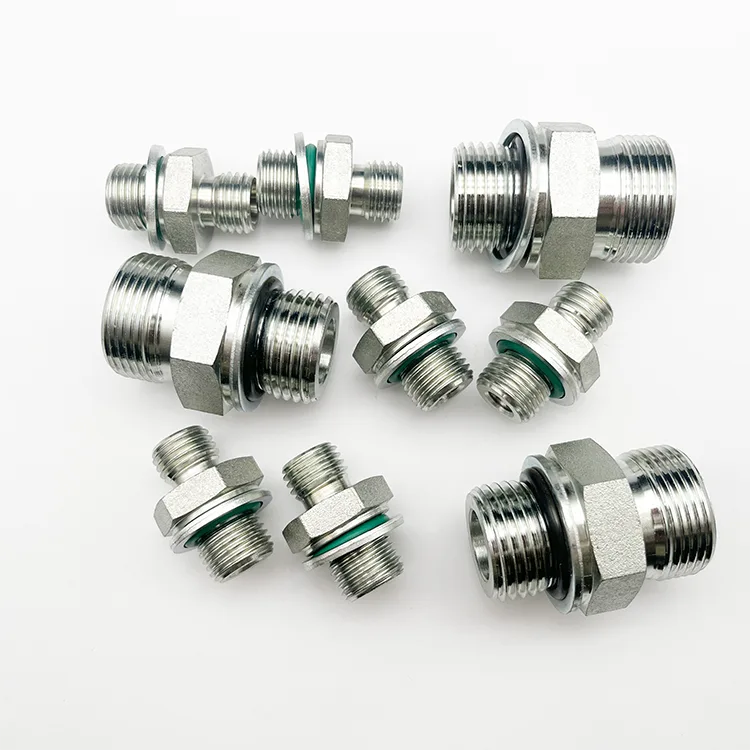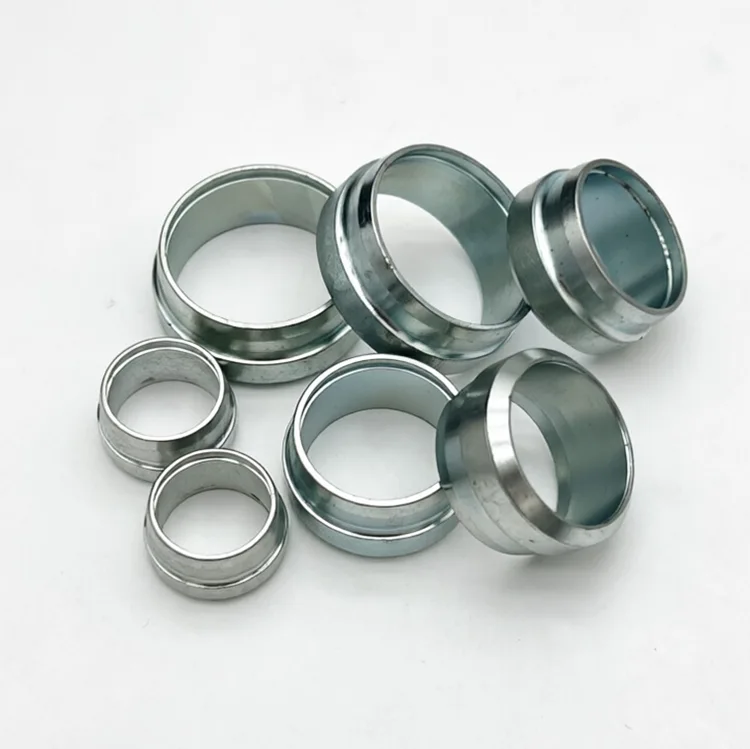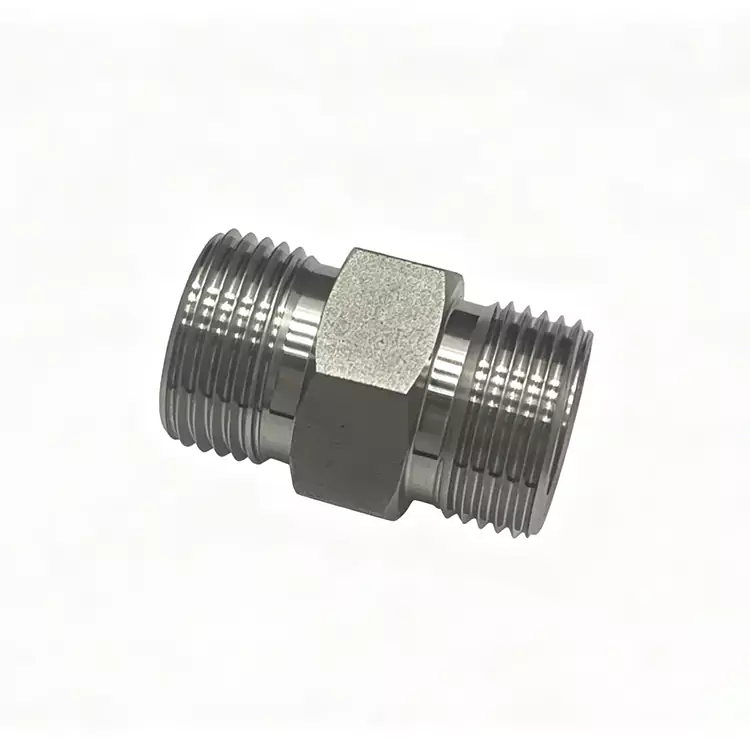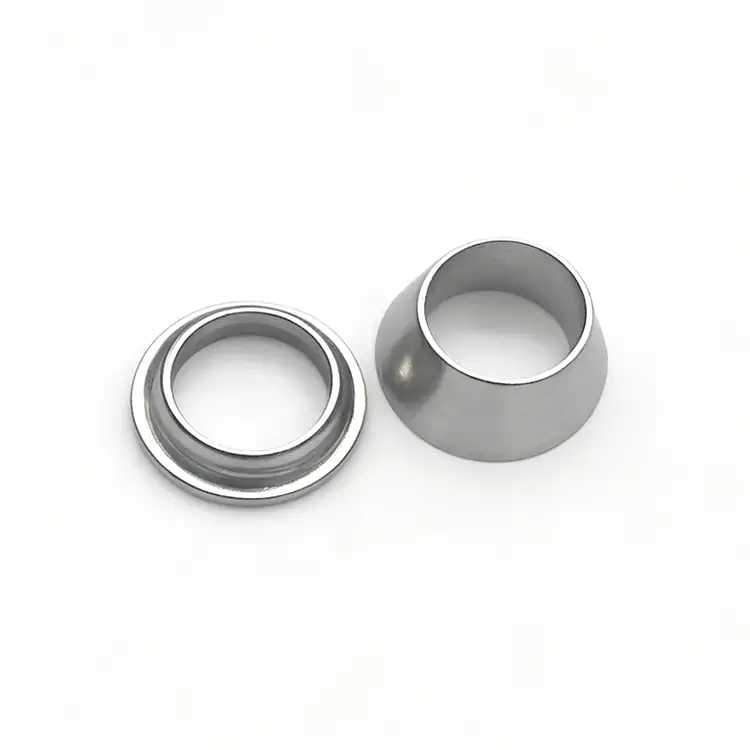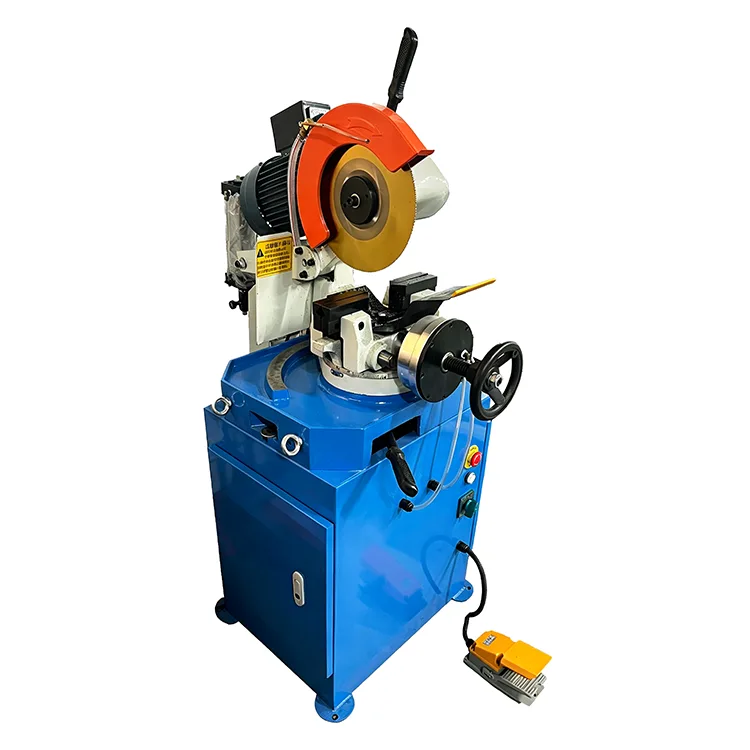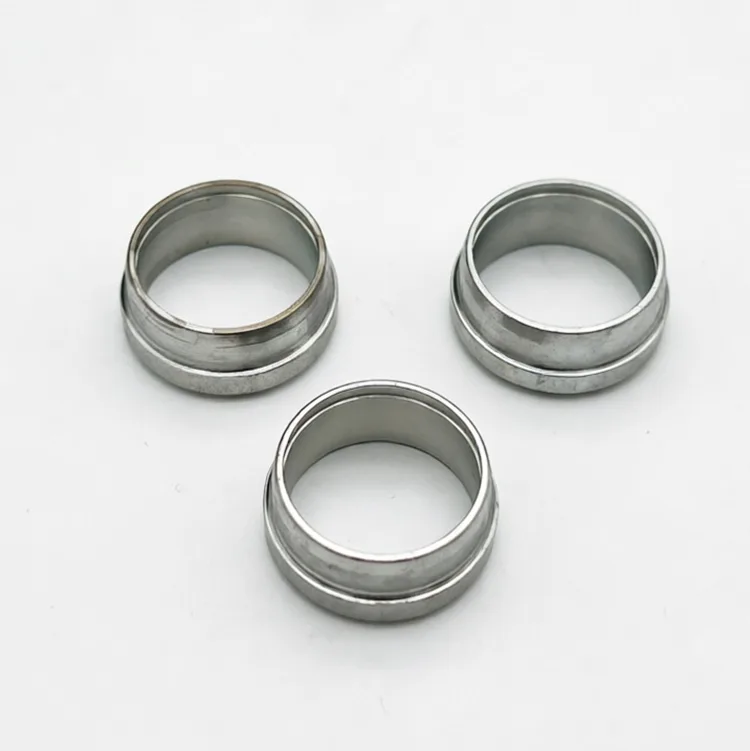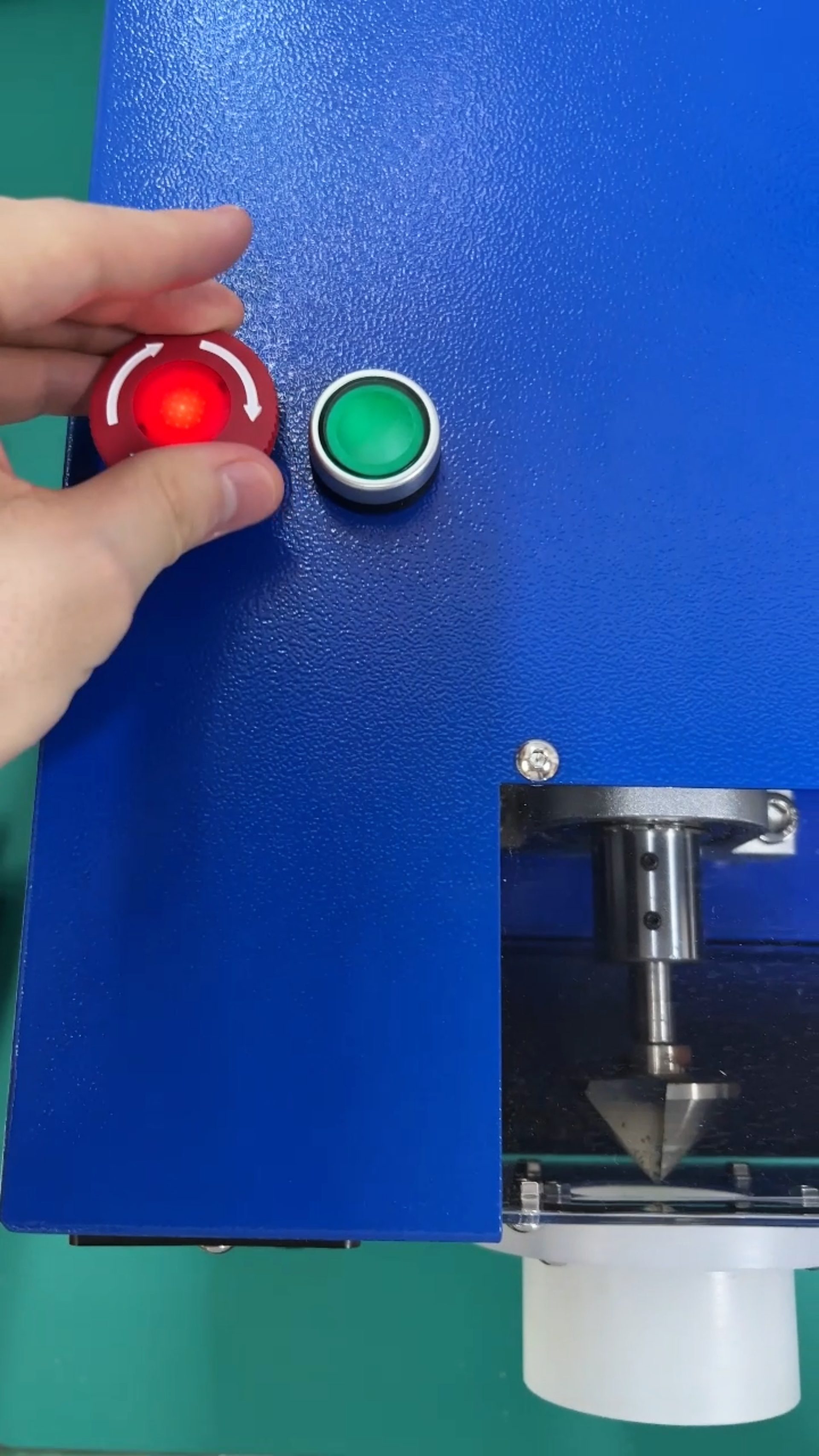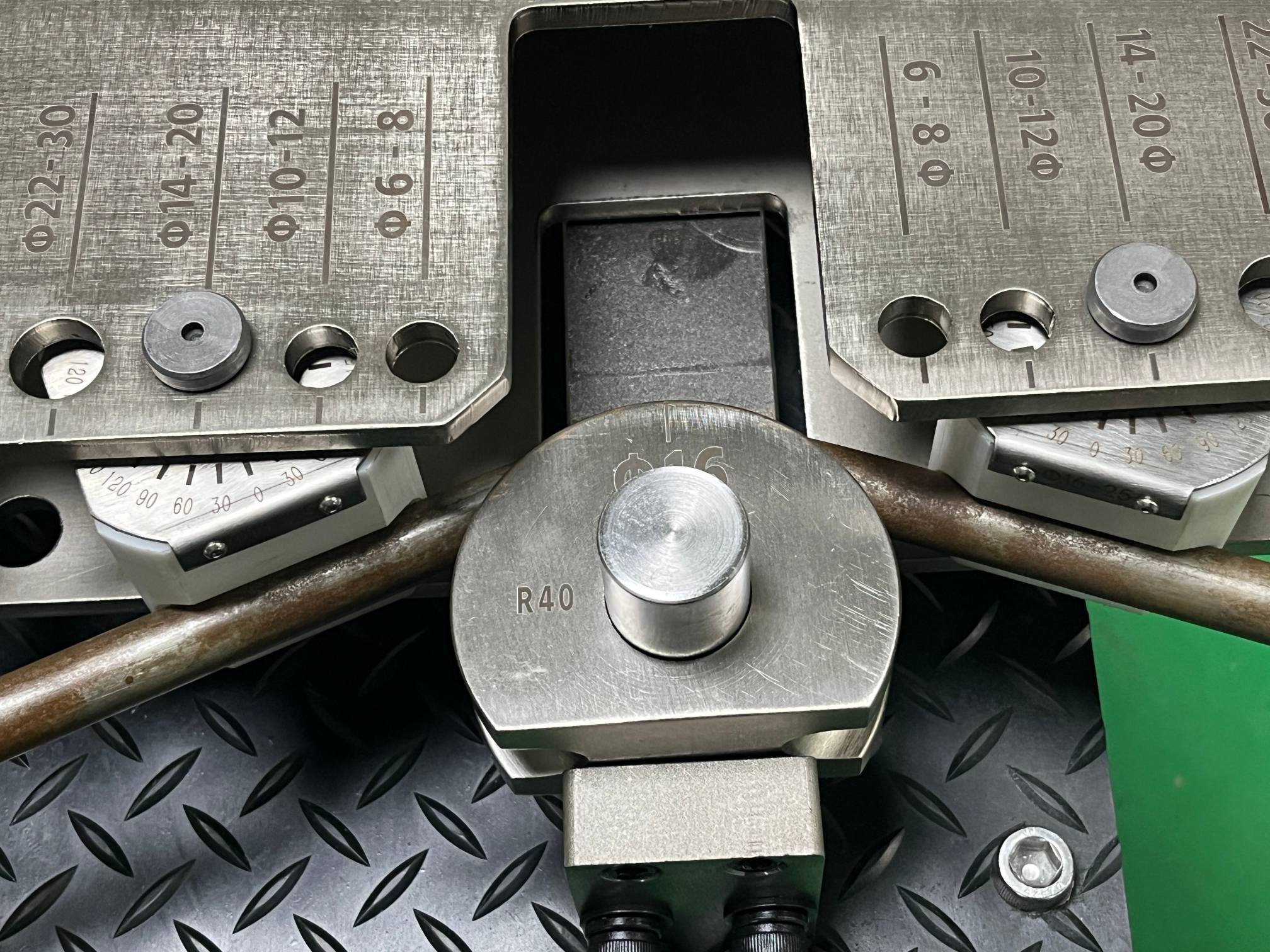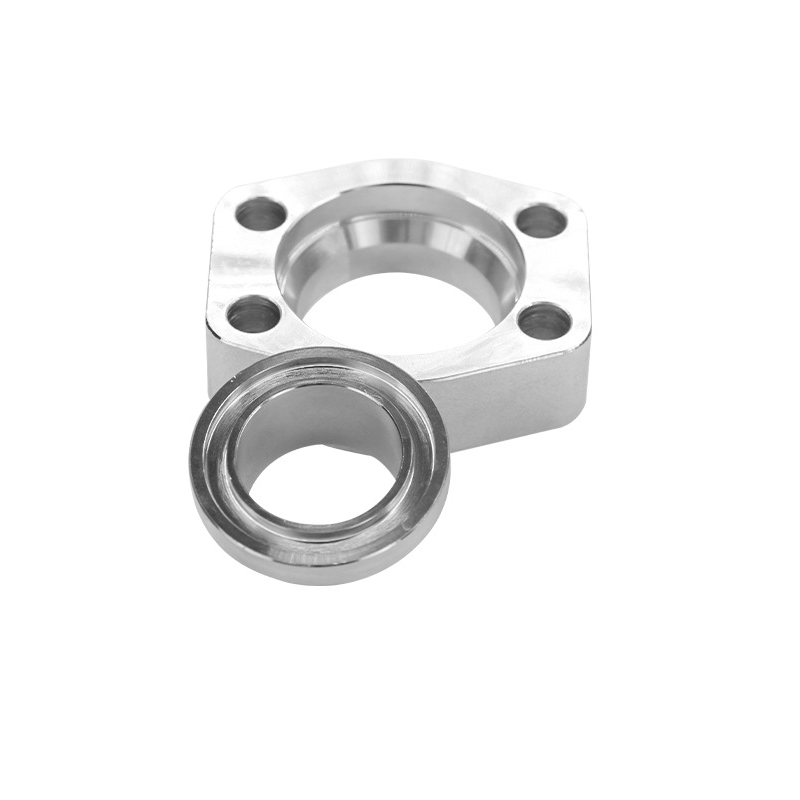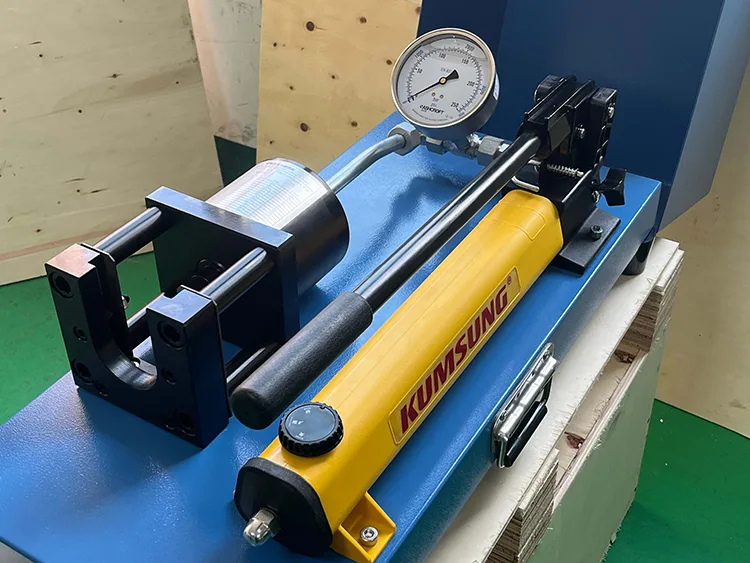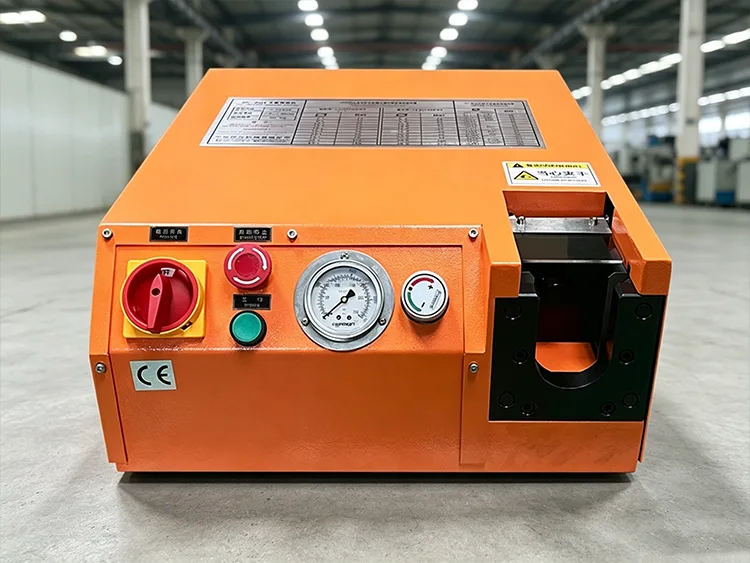
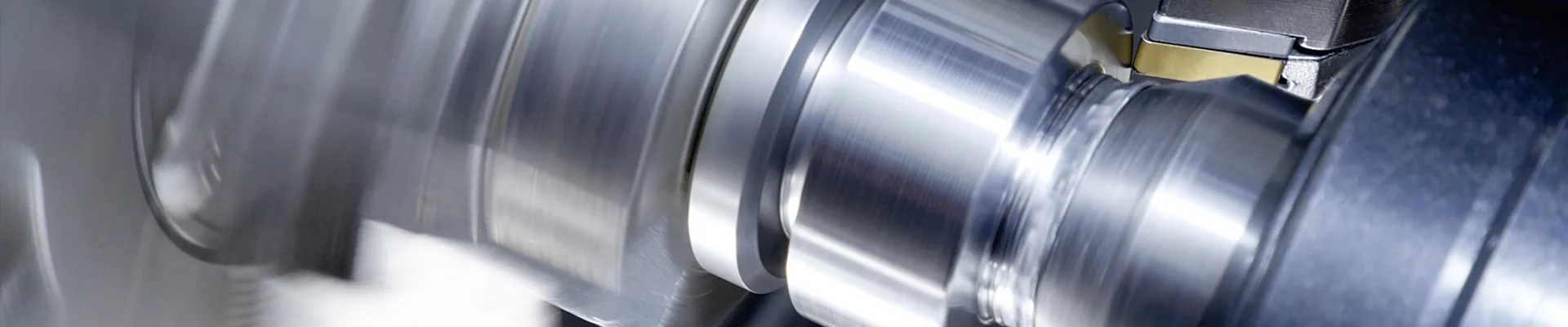
This category covers equipment based on the spinning (rotary rolling plastic forming) process, where the tube is spun at high speed and formed by the continuous local rolling of a roller or die, producing controlled plastic deformation. The material fibers are stretched continuously along the forming direction, significantly improving the strength and dimensional accuracy of the finished part. Typical products include steel pipe spinning flaring machines, spinning necking machines, spinning expanding machines, and pipe-end spinning forming machines, suitable for high-precision end and body forming of metal round tubes.
Mainly used for end forming and shaped processing of metal tubes such as steel, stainless steel, aluminum, and copper pipes. It enables operations including pipe-end flaring, necking, beading, expanding, reducing, and variable-section spinning forming, delivering mouth shapes with high roundness, uniform wall thickness, smooth surface, and no obvious wrinkles—meeting the requirements for reliable pipe connection, sealed assembly, and structural load-bearing.
Widely applied in automotive manufacturing (exhaust manifolds, fuel pipes, cooling water pipes), hydraulic and pneumatic lines, petrochemical and boiler heat-exchanger fittings, aerospace and medical high-precision tubing, as well as fitness equipment and furniture tubing. It is also commonly used in oil drilling, construction machinery, and other fields where tube-end forming quality, dimensional consistency, and fatigue life are critical.
A: They process metal round tubes such as steel, stainless steel, aluminum, copper, and alloy pipes. The applicable diameter and wall-thickness range depends on the model, typically covering thin-wall to medium-thick-wall tubes, and they can also form local sections of pre-bent tubes.
A: Typical shapes include flaring (bell mouth), necking, beading, expanding, reducing, and variable-section/irregular spinning. Corresponding machines include steel pipe spinning flaring machines, spinning necking machines, and spinning expanding machines, meeting various connection, sealing, and assembly needs.
A: 1) High forming accuracy with round, wrinkle-free tube ends; 2) Uniform wall thickness and improved strength, ideal for load-bearing lines; 3) No welding or heavy tooling, flexible changeover and lower die cost; 4) Superior surface quality that reduces downstream processing.
A: They are widely used in automotive manufacturing (exhaust manifolds, fuel pipes, cooling water pipes), hydraulic and pneumatic lines, petrochemical and boiler heat-exchanger fittings, aerospace and medical high-precision tubing, fitness equipment and furniture tubing, as well as oil drilling and construction machinery where tube-end quality and consistency are critical.