Cutting, welding and stamping always leave burrs on tube ends. Sharp edges raise assembly force, damage seals, and hide leakage risks inside high-pressure lines — which is why the steel pipe deburring machine is now standard equipment wherever metal tubing is processed in volume.
A burr is not cosmetic. Loose chips reach valves and cylinders, and an uneven end face breaks the sealing line of a ferrule connection. Most tube-end leaks start with a deburring step that was skipped or done by hand.
Exhaust, fuel and brake lines need a clean chamfer before assembly. A 6–42 mm working range covers most production lines, and an electric steel pipe deburring machine removes inner and outer burrs in a single pass.
Scaffolding, drainage and heating tubes are processed in large batches, where throughput matters more than a mirror finish. Uniform chamfering protects installers' hands and speeds up push-fit assembly.
Furniture tubes, handrails and gym frames are visible products, so one sharp edge easily becomes a returned order.
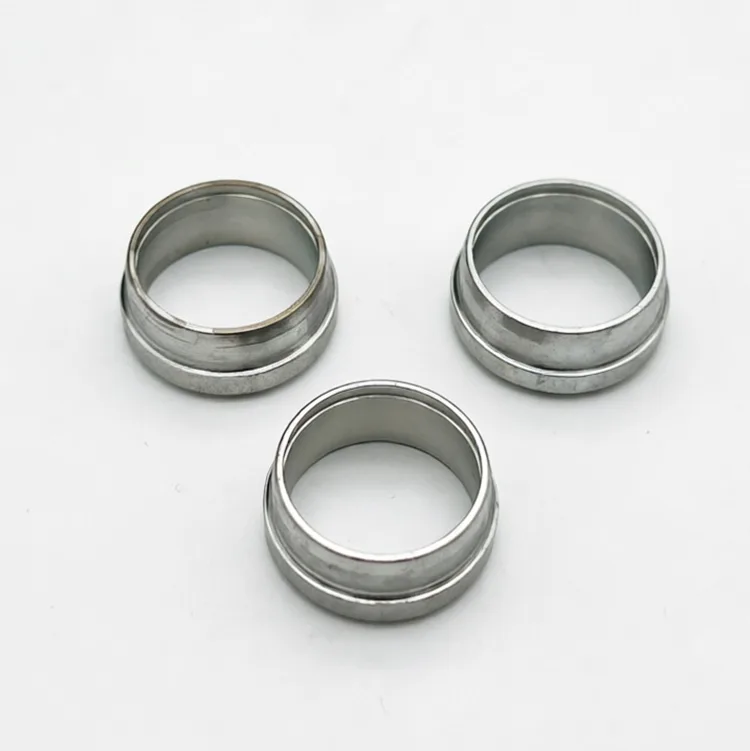
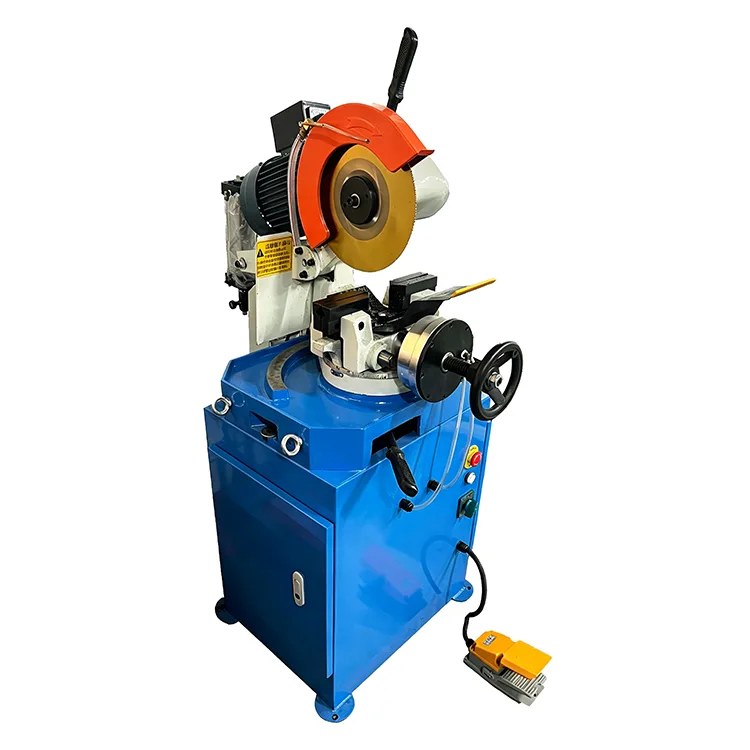
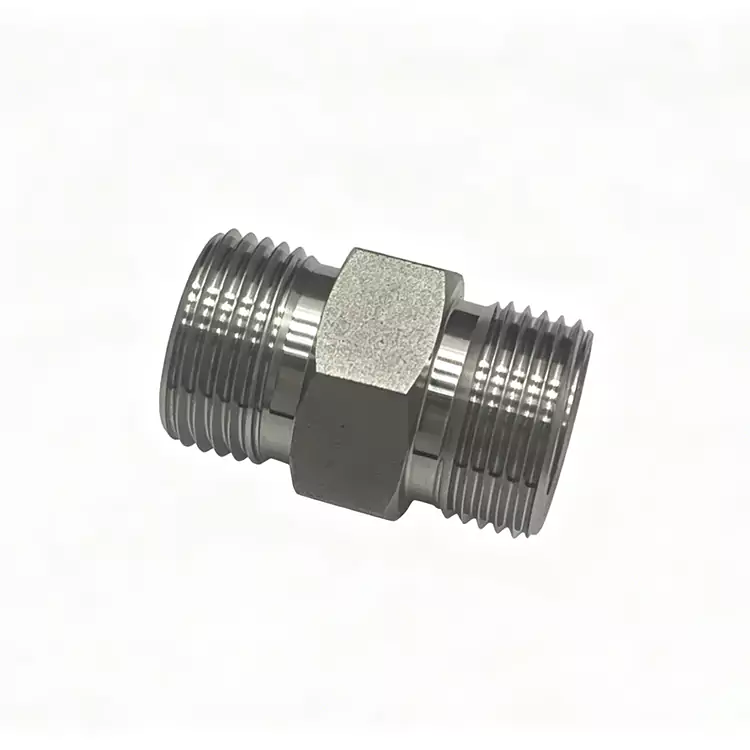
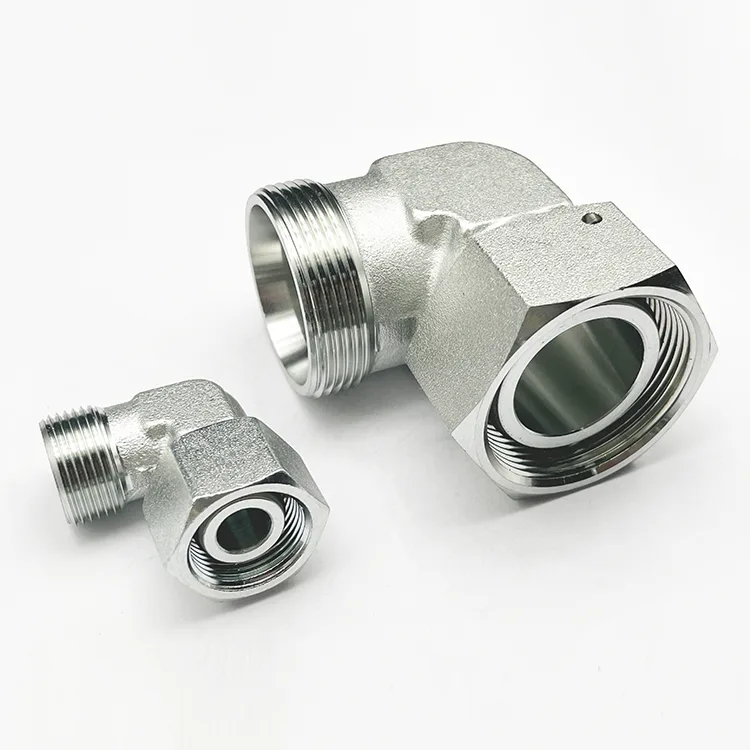
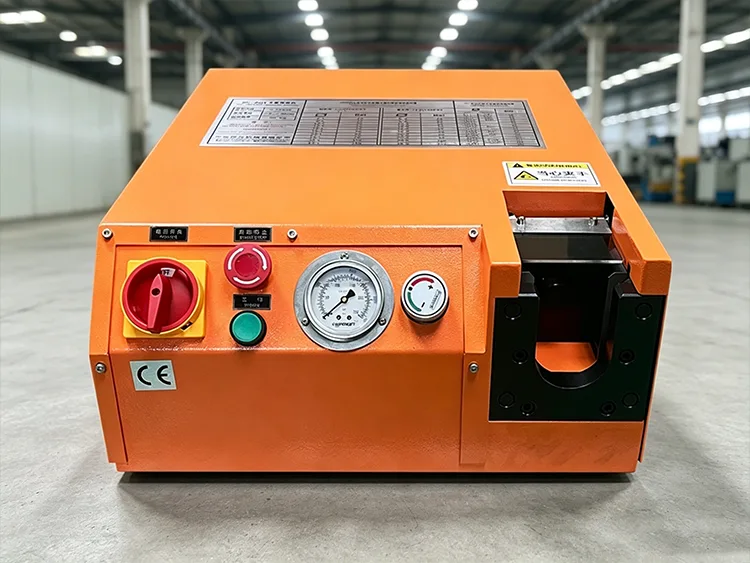
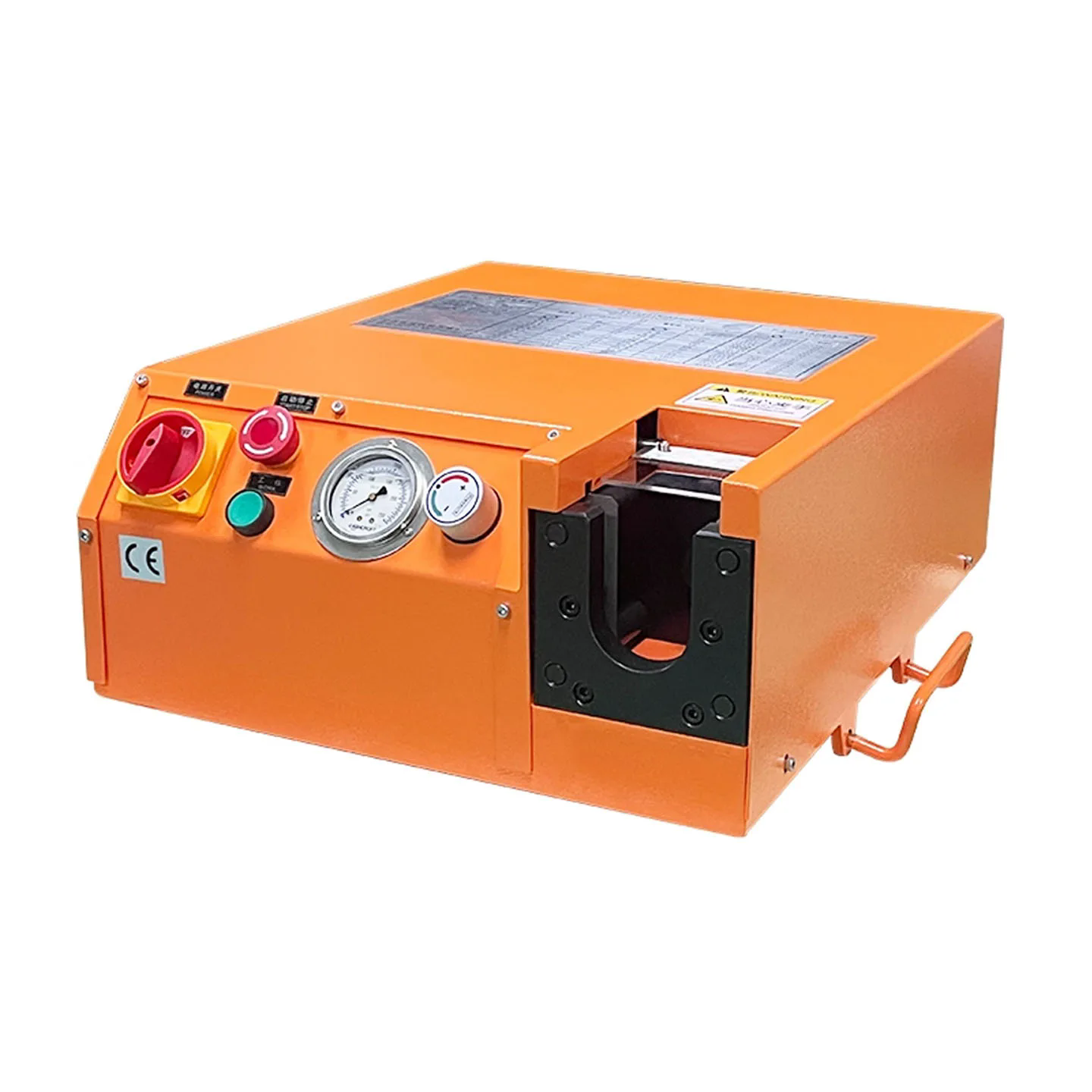
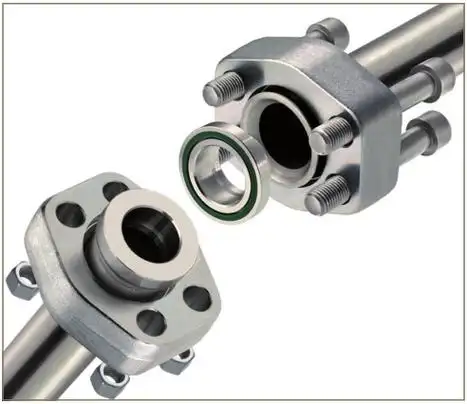
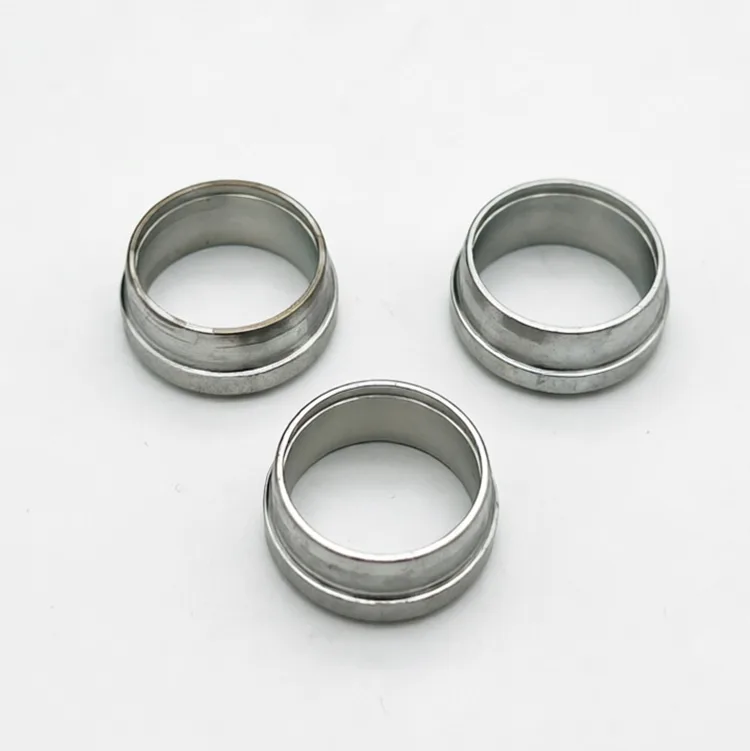
Excavator and wind power hydraulic lines work under high pressure, so tube ends must match DIN 2353 socket tolerances. XYOON's Electric Steel Pipe Deburring Machine is calibrated for this duty — coaxial grinding heads with a fixed chamfer angle, so deburred tubes go straight to a cutting ring pre-assembly machine without rework.
Corrosion-resistant tubing follows a strict no-scratch, no-deformation rule. Flexible clamping and 0–300 rpm speed control keep thin-wall ends round and burr-free.
Mixed batches dominate here, so the value of a deburring machine for steel pipes is consistency: the same finish on 6 mm and 42 mm tube.
One-feed deburring: dual heads clear the end face, inner and outer wall together.
Coverage: Ø6–42 mm handles most hydraulic and structural tubing.
Speed: 0–300 rpm avoids oval deformation on thin-wall stainless steel.
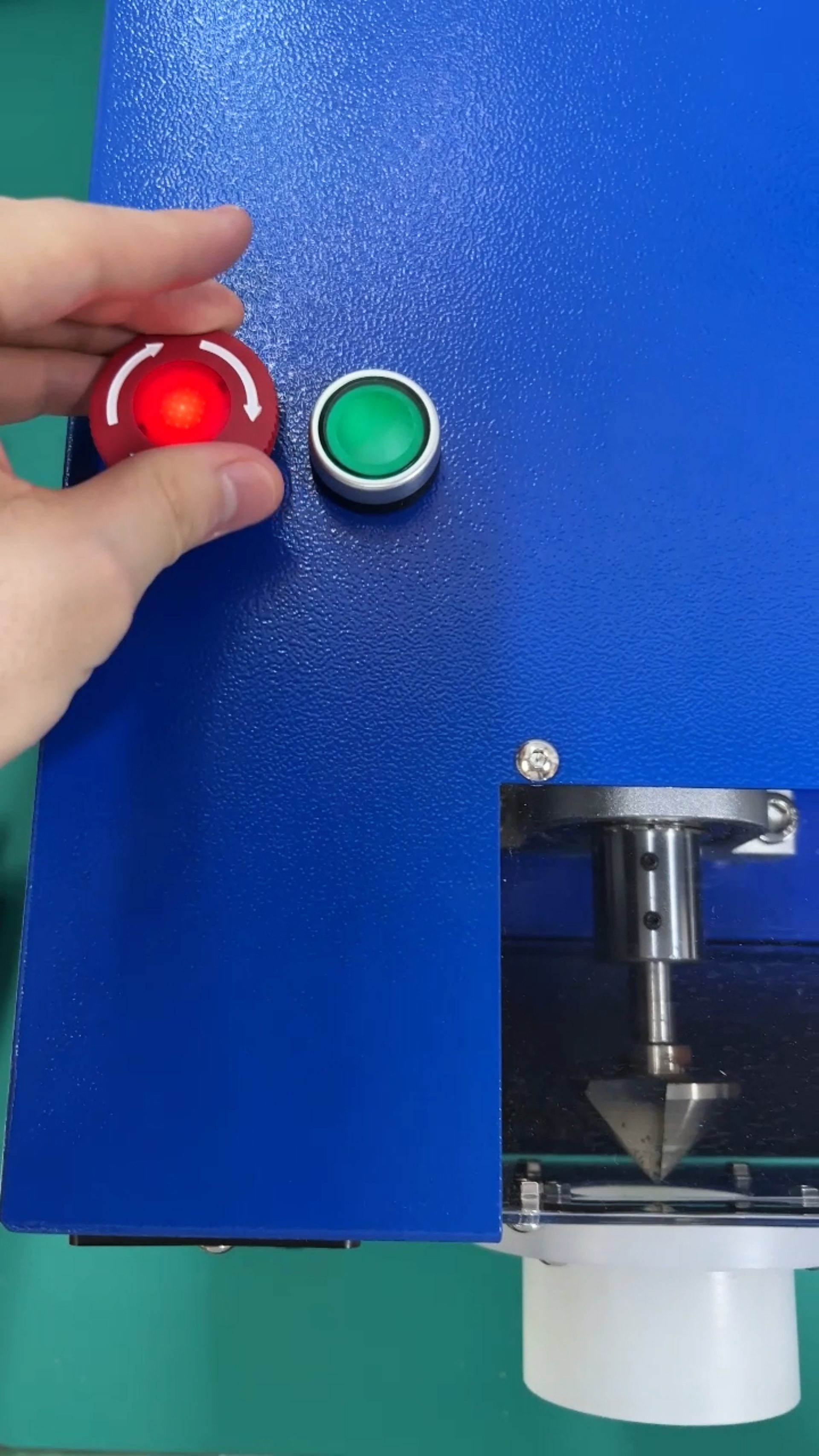
Safety: emergency stop, protective cover, visual window and swarf box.
Automotive, construction, furniture, hydraulic, marine and hardware factories make different products but share one requirement: a repeatable, deformation-free tube end. A well-chosen steel pipe deburring machine cuts manual grinding time, lowers rework and protects the sealing performance of the finished assembly.