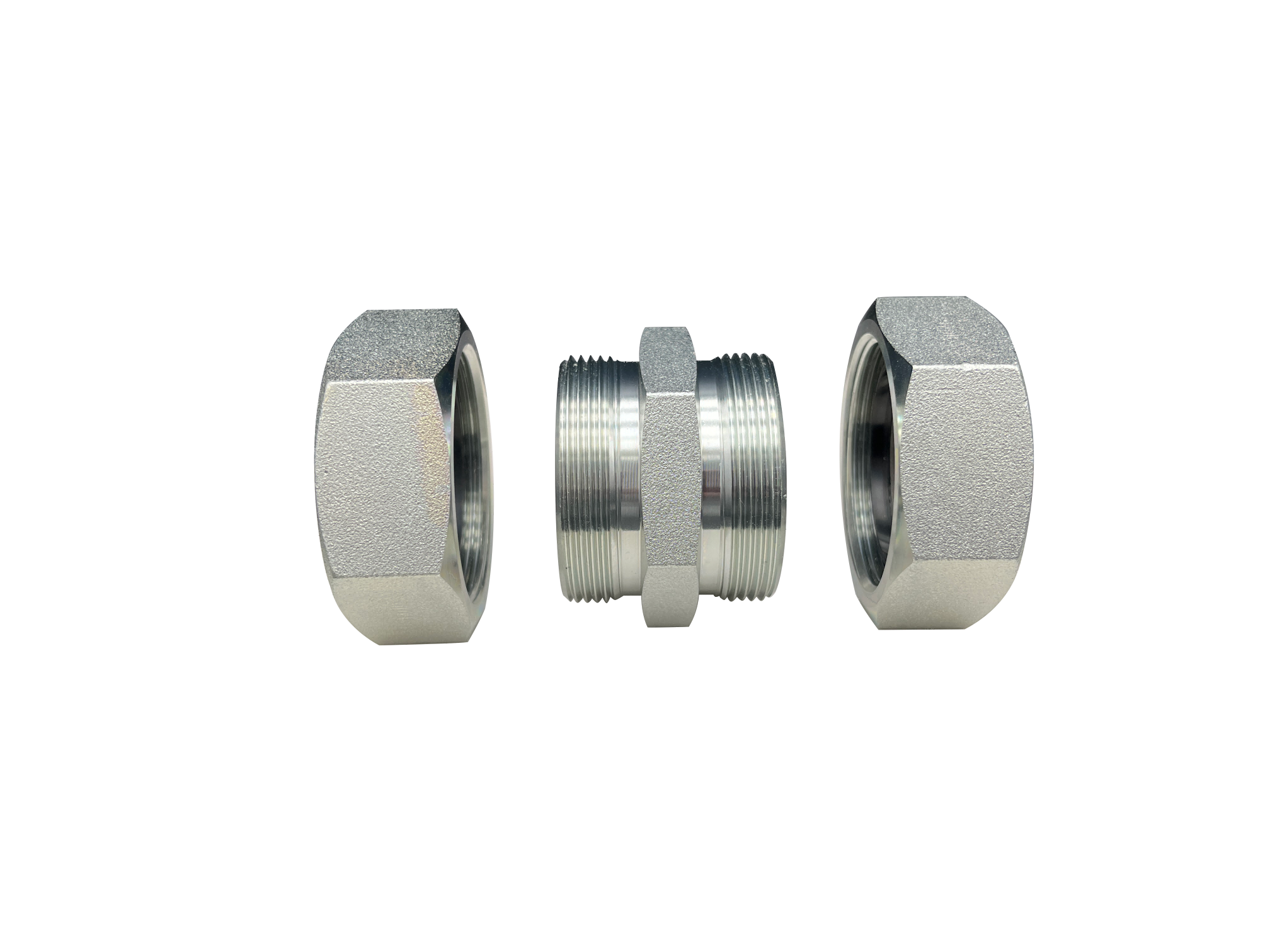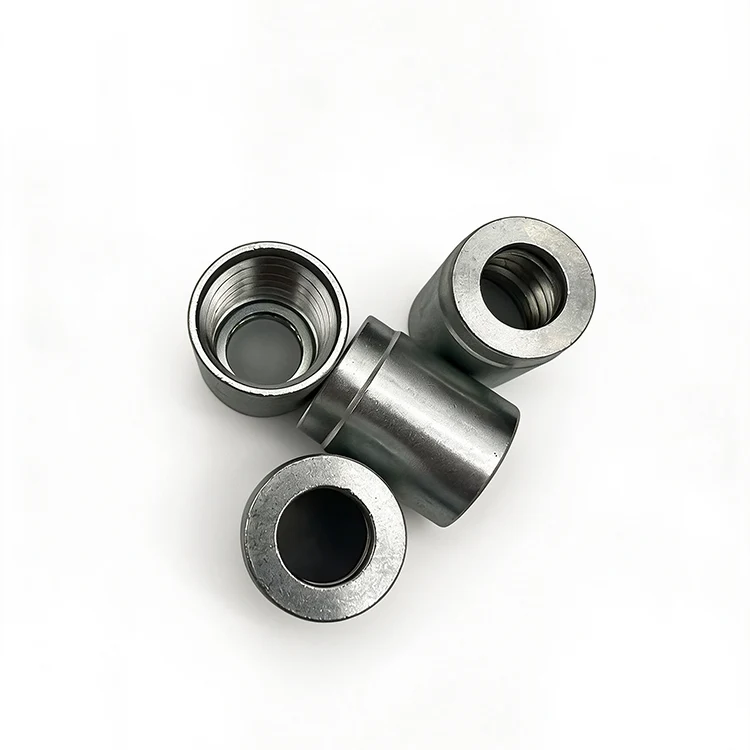

In hydraulic systems, pneumatic equipment and industrial machinery, the integrity of tube connections directly determines the stable operation of the whole machine. Compression-type tube fittings are widely used in fluid piping thanks to their straightforward installation and reusability. In practice, however, leakage caused by sealing failure remains a recurring problem. Recently, Ningbo XYOON Intelligent Manufacturing Co., Ltd. compiled a practical reference covering sealing mechanisms, pre-assembly acceptance criteria and material and structural selection, drawing on its engineering experience with EO-2 functional nuts and ferrule pre-assembly equipment. The guide is intended for piping fabrication and equipment maintenance personnel.
Conventional compression fittings rely on metal-to-metal sealing. Tightening the nut drives the ferrule forward, its cutting edges biting into the outer wall of the tube. A single element therefore performs two functions at once: sealing the joint and preventing the tube from being pulled out. This construction is compact and easy to assemble, but under high pressure and high-frequency vibration the sealing surfaces progressively degrade through fretting wear. Moreover, the bite depth depends largely on operator experience, making it difficult to standardise across different shifts.
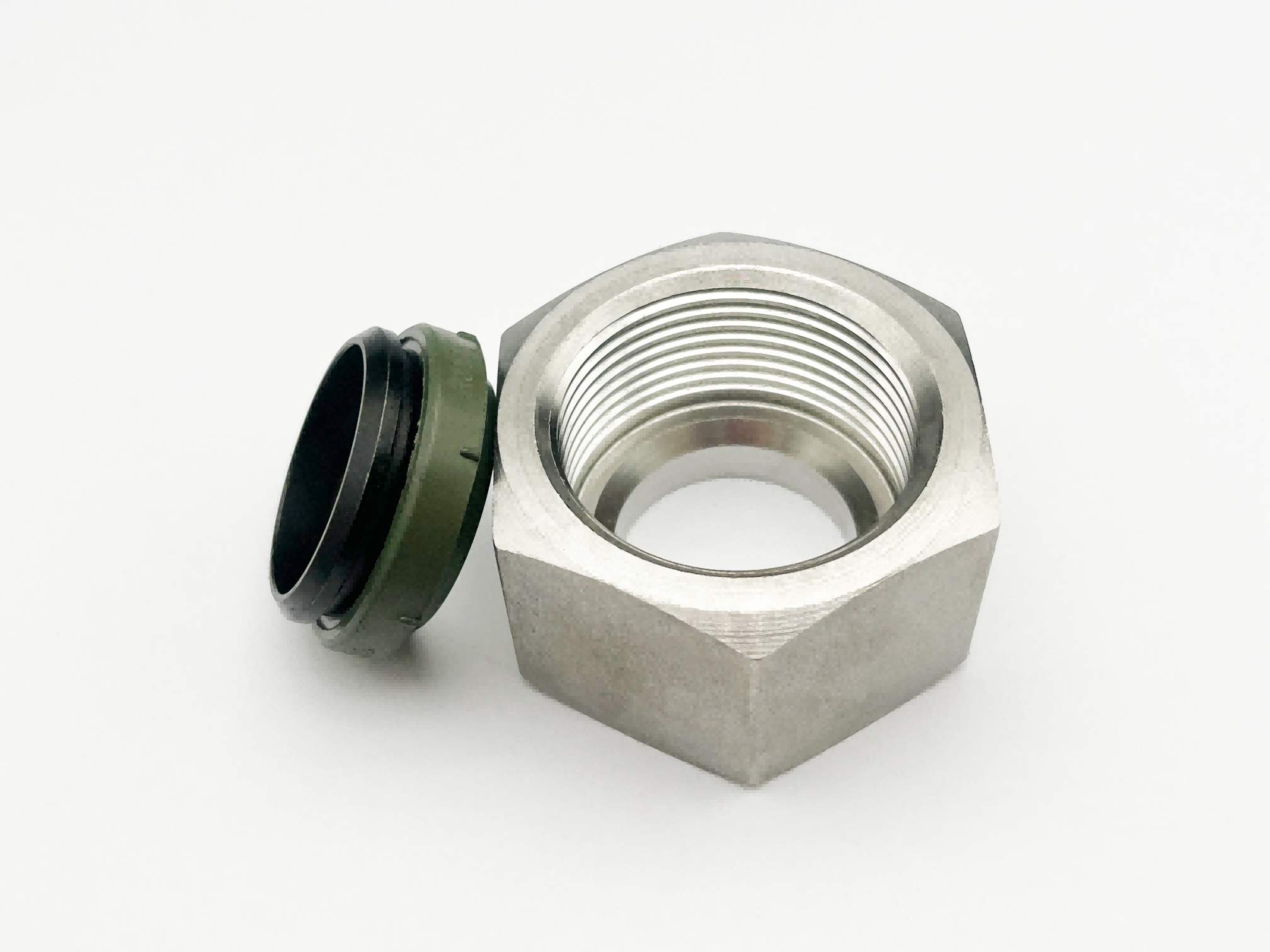
The XYOON EO-2 functional nut takes a different approach by separating the two functions. An oil-resistant elastomeric seal is vulcanised onto a metallic positioning ring and sits between the inner cone of the fitting body and the outer wall of the tube, closing off the only potential leak path present in conventional ferrule fittings. Because the sealing effect is proportional to fluid pressure — the higher the pressure, the greater the specific sealing pressure — a hermetic seal is maintained even under high-pressure conditions. The seal also operates in a static pressure zone, where it is largely unaffected by dynamic wear, requires no re-tightening and prevents air from entering the system when line pressure drops.
It should be noted that in this design the ferrule (cutting edge) provides mechanical gripping and prevents tube pull-out, while sealing is handled entirely by the elastomeric seal. This differs from the notion that "the cutting edge forms a secondary seal", and represents the fundamental difference in sealing logic between EO-2 and conventional ferrule fittings.
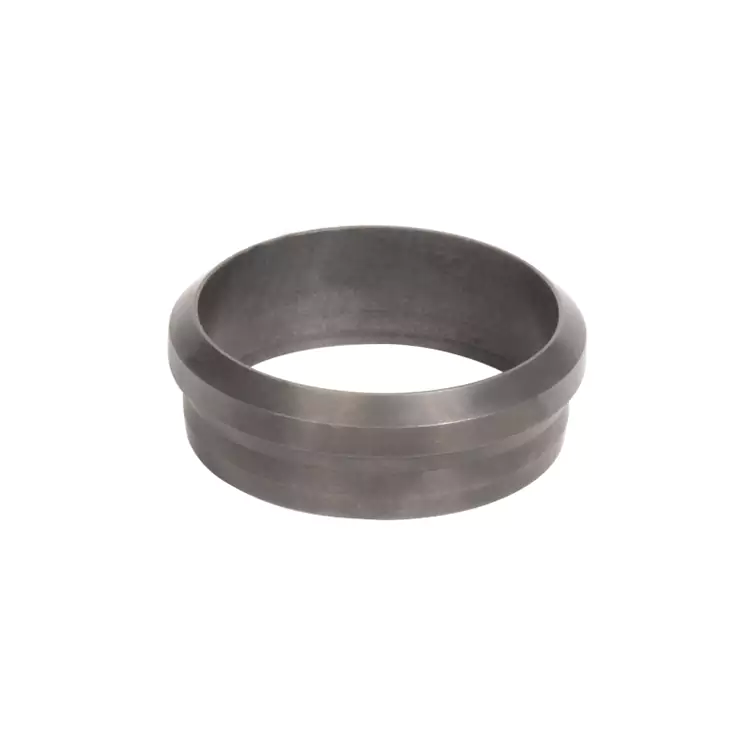
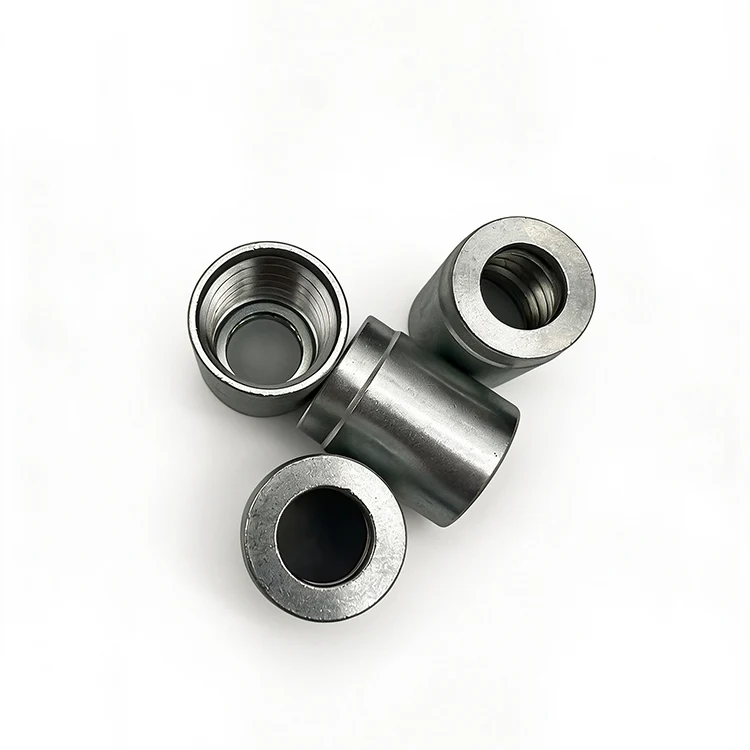
Where mechanical gripping is the primary requirement, the XYOON double-edged ferrule provides two cutting edges on the tube: the front edge establishes a secure position, while the rear edge supplies additional resistance to pull-out. A specialised heat-treatment gives the ferrule a gradient structure — a hard outer surface with a tough core — maintaining edge sharpness while avoiding brittle fracture. The two edges complement the elastomeric seal of the EO-2, addressing connection failure and sealing failure as two distinct modes.
Regardless of the ferrule design employed, pre-assembly quality is the decisive step for the final sealing result. The XYOON ferrule pre-assembly guide sets out two straightforward acceptance criteria: first, the ferrule must be firmly locked onto the tube — axially immobilised yet freely rotatable around it; second, the material at the front end of the ferrule should show a slight bulge, covering approximately 80% of the ferrule's cross-section.
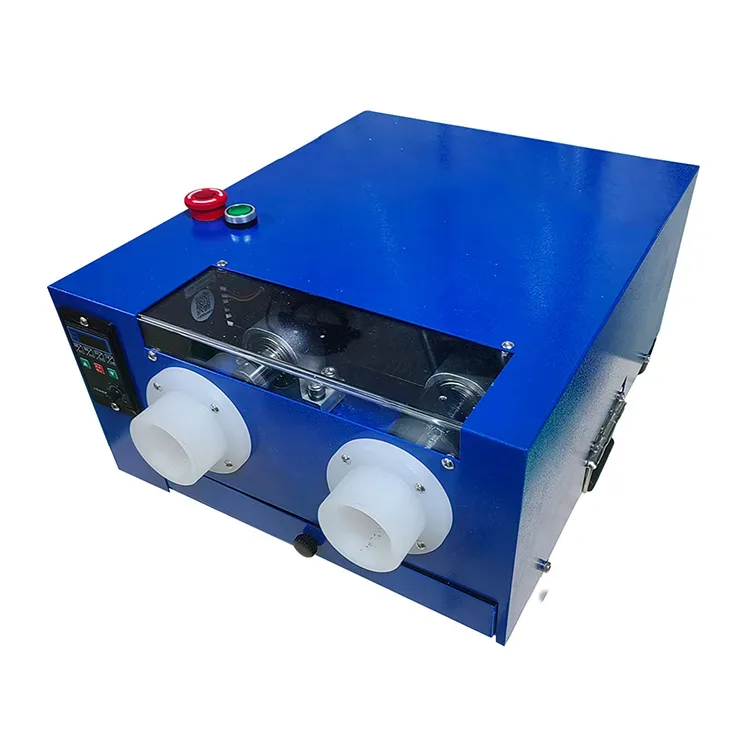
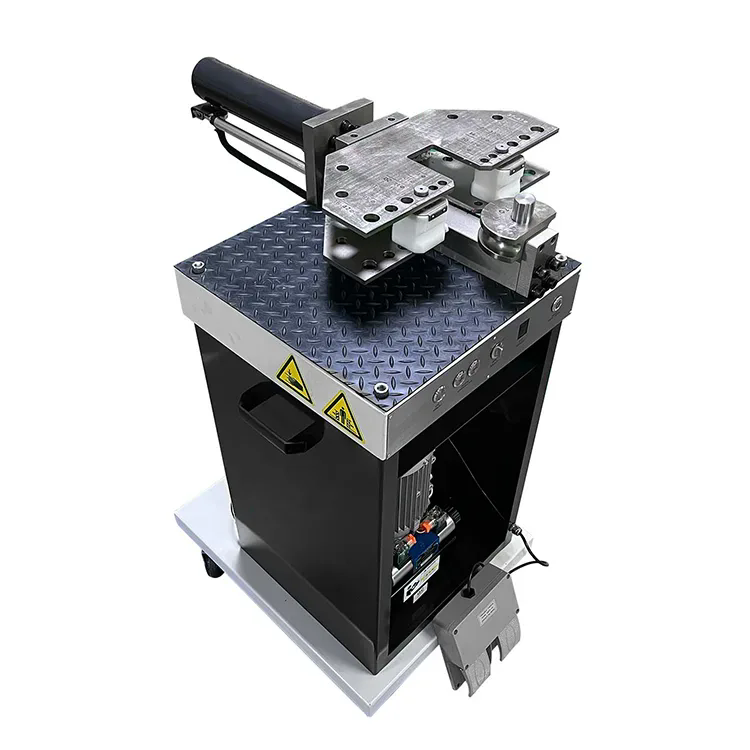
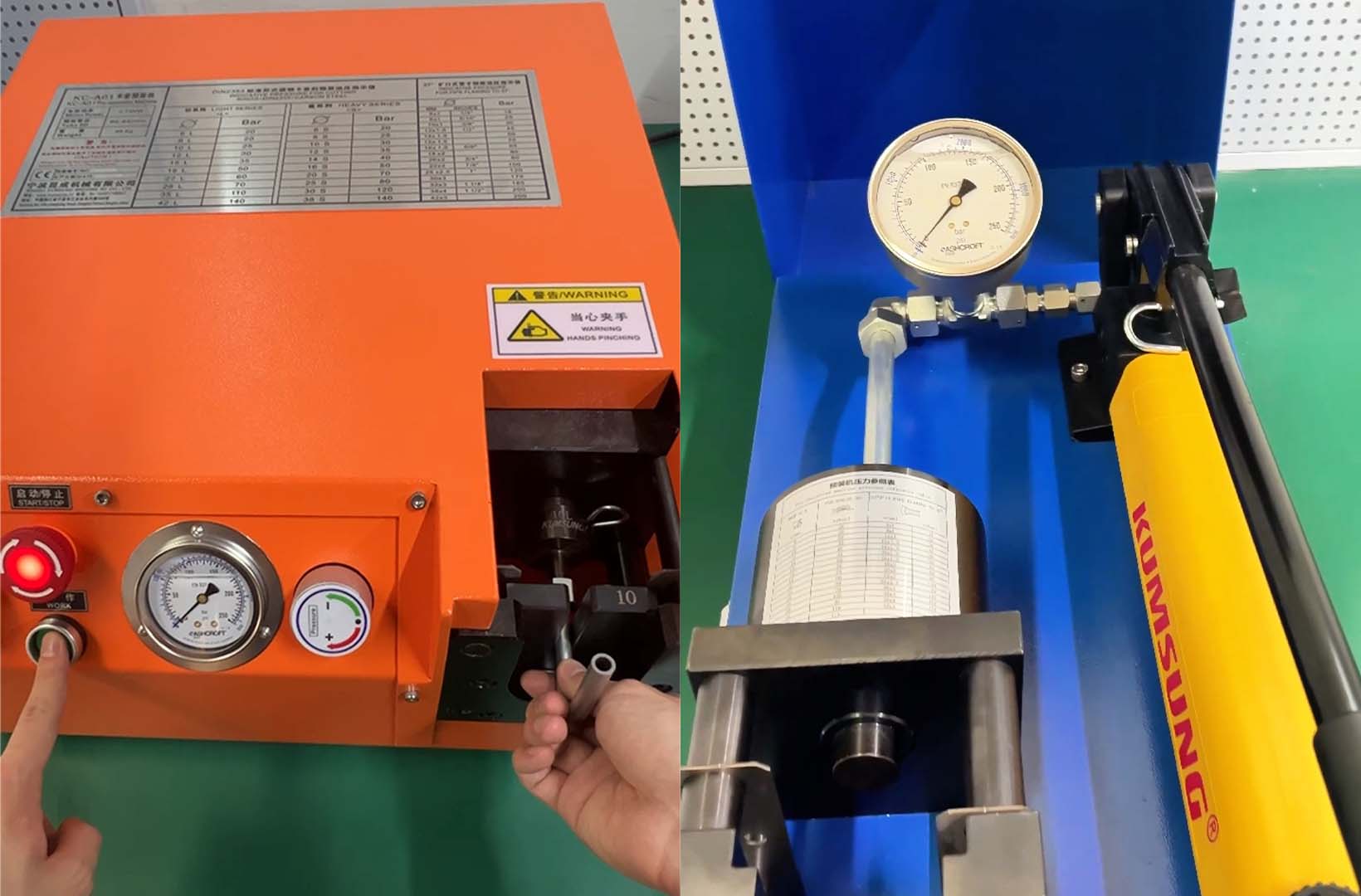
Consistent pre-assembly quality depends on controlling both tooling condition and operating pressure. Taking the XYOON KC-A01 Electric Cutting Ring Pre-assembly Flaring Machine as an example, it handles tube outside diameters from 6 to 42 mm, with operating pressure set according to tube diameter via a pressure-adjustment knob. Wear in the pre-assembly tooling (sleeve and stop plate) directly causes pre-assembly deviation, so the tooling should be inspected and cleaned at intervals specified in the equipment manual, with a dedicated inspection gauge used to determine whether wear or deformation warrants replacement. This ensures consistency across batch pre-assembly.
For the EO-2 functional nut, the inner cone of its positioning ring serves as an integrated pre-assembly tool, allowing pre-assembly to be completed during fitting assembly and reducing reliance on external tooling. Conventional and double-edged ferrules, by contrast, are still best pre-assembled on a dedicated machine to keep bite depth consistent.
EO-2 series fittings are designed to DIN 2353 and ISO 8434 and are fully interchangeable with conventional 24° compression fittings, so existing piping layouts and spare-parts inventories need no modification. The functional nut combines the elastomeric seal, positioning ring and ferrule into one piece, held together by the rubber on the outer circumference of the positioning ring engaging the nut thread. This prevents components from being dropped, misplaced or fitted in the wrong orientation during assembly. The metallic positioning ring also provides axial location, effectively preventing ferrule failure caused by over-tightening.
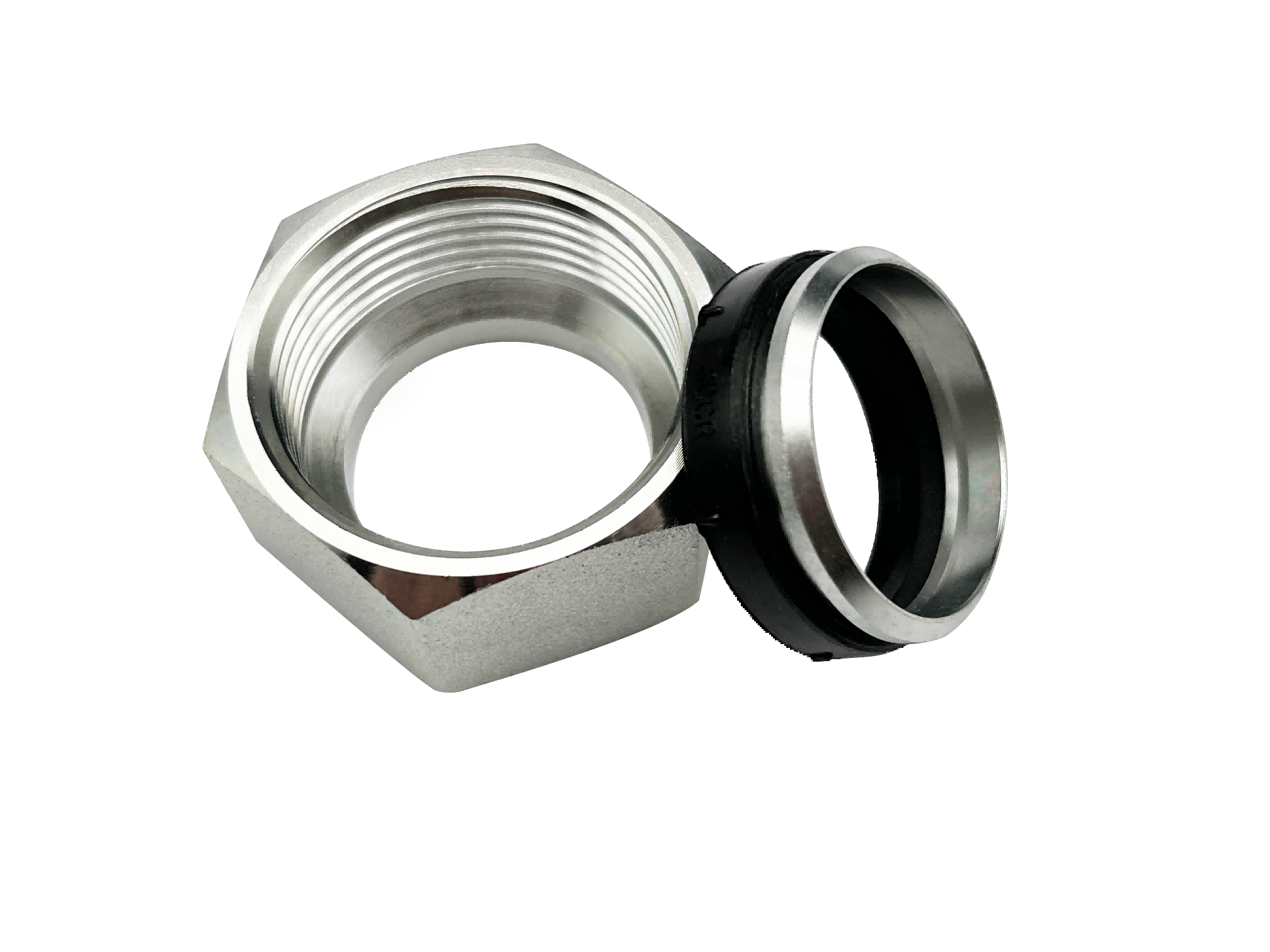
In terms of pressure capacity the fittings suitable for applications such as construction machinery that involve sustained vibration and shock. The inner cone of the fitting body does not contact the metallic ferrule but only the elastomeric seal, reducing wear and deformation of the sealing cone. If the seal is damaged it can be replaced individually without cutting the tube, helping to reduce both labour and material costs during maintenance.
Improving the sealing reliability of compression tube fittings is a systematic task involving sealing mechanisms, pre-assembly tolerances and material and structural selection. By separating the sealing and gripping functions in the design, and by implementing quantifiable pre-assembly acceptance criteria and tooling-maintenance practices in the process, companies can effectively reduce the risk of piping leakage and move from correct assembly to low-maintenance operation.
XYOON provides fluid-connection reliability solutions for construction machinery, rail transit, shipbuilding, aerospace and industrial machinery, along with support for pre-assembly equipment selection, process training and sample testing.