
In construction machinery, metallurgy, wind power, and mobile hydraulic equipment, the piping system is often likened to the machine's "blood vessels." A typical hydraulic circuit often contains dozens or even hundreds of bite-type fittings (compression fittings), and their assembly quality directly determines whether the system leaks, vibrates, or suffers sudden failure. For hydraulic system engineers, the efficiency and reliability of hydraulic fitting assembly have always been two sides of the same coin.
For a long time, the field assembly of traditional bite-type fittings has remained a widely acknowledged bottleneck in both final assembly lines and after-sales service. The problem does not lie in a design flaw of any single fitting, but in four persistent pain points inherent to the assembly process itself—they stack up, slowing the takt time while burying hidden reliability risks. This article deconstructs those pain points and introduces how xyoon's EO-2 functional nut achieves a 40% reduction in assembly time through three innovations—without sacrificing reliability.
1. Scattered parts, cumbersome pre-assembly preparation
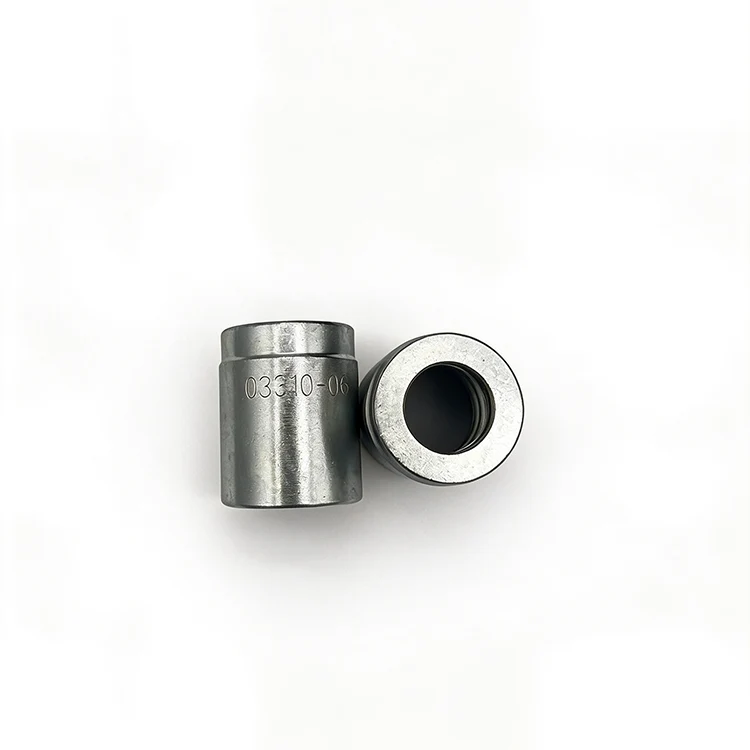
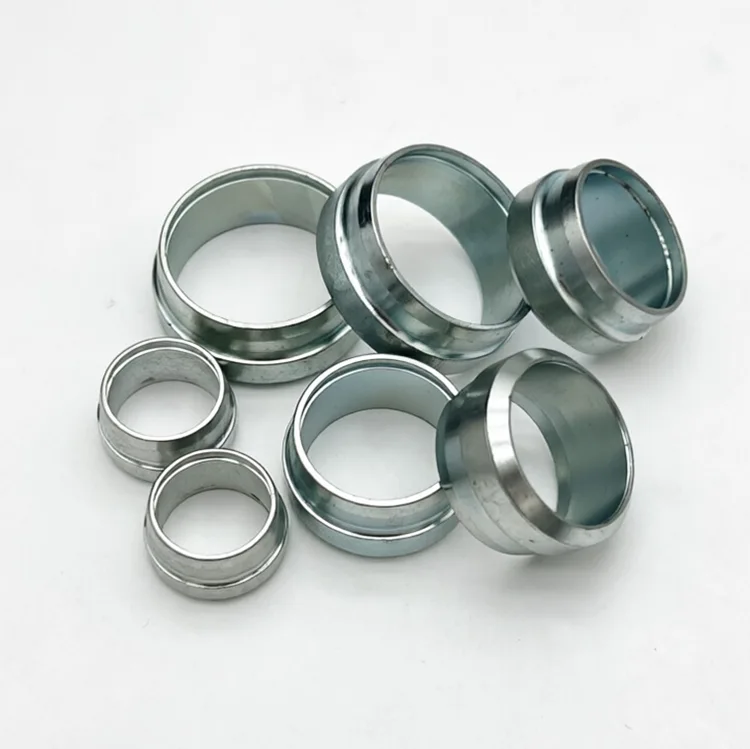
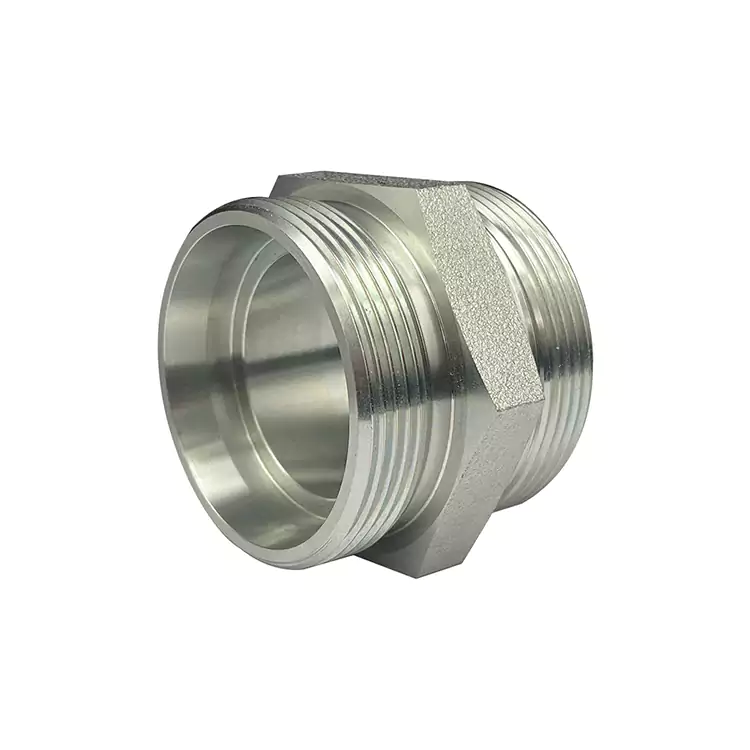
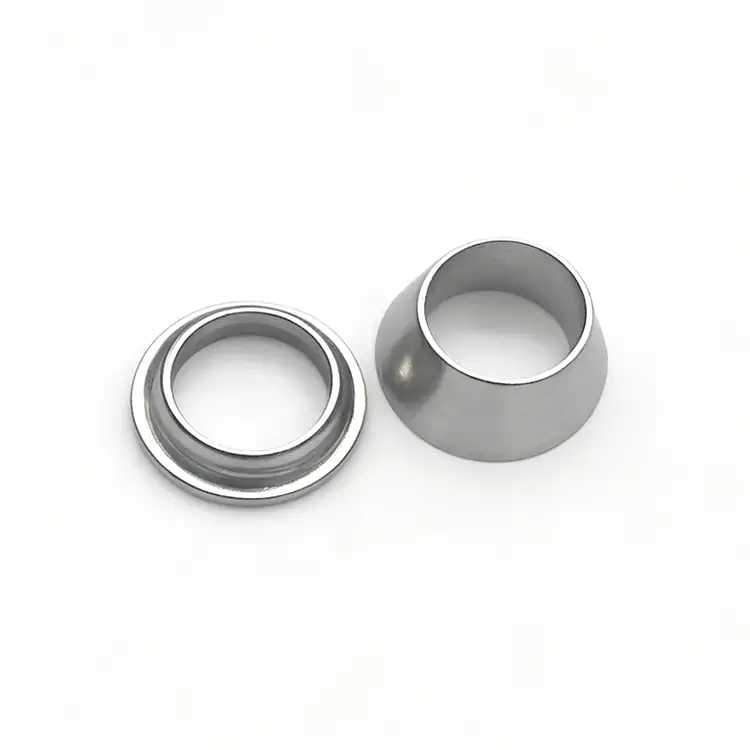
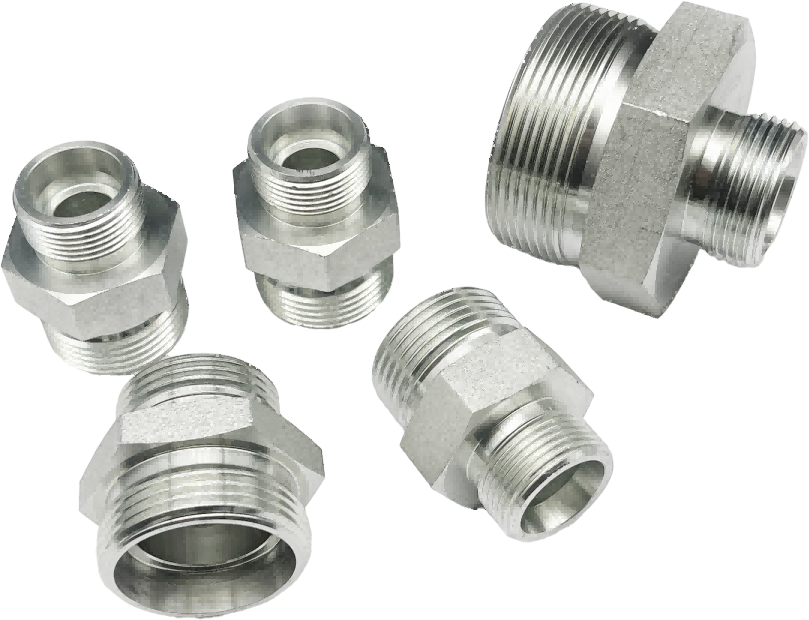
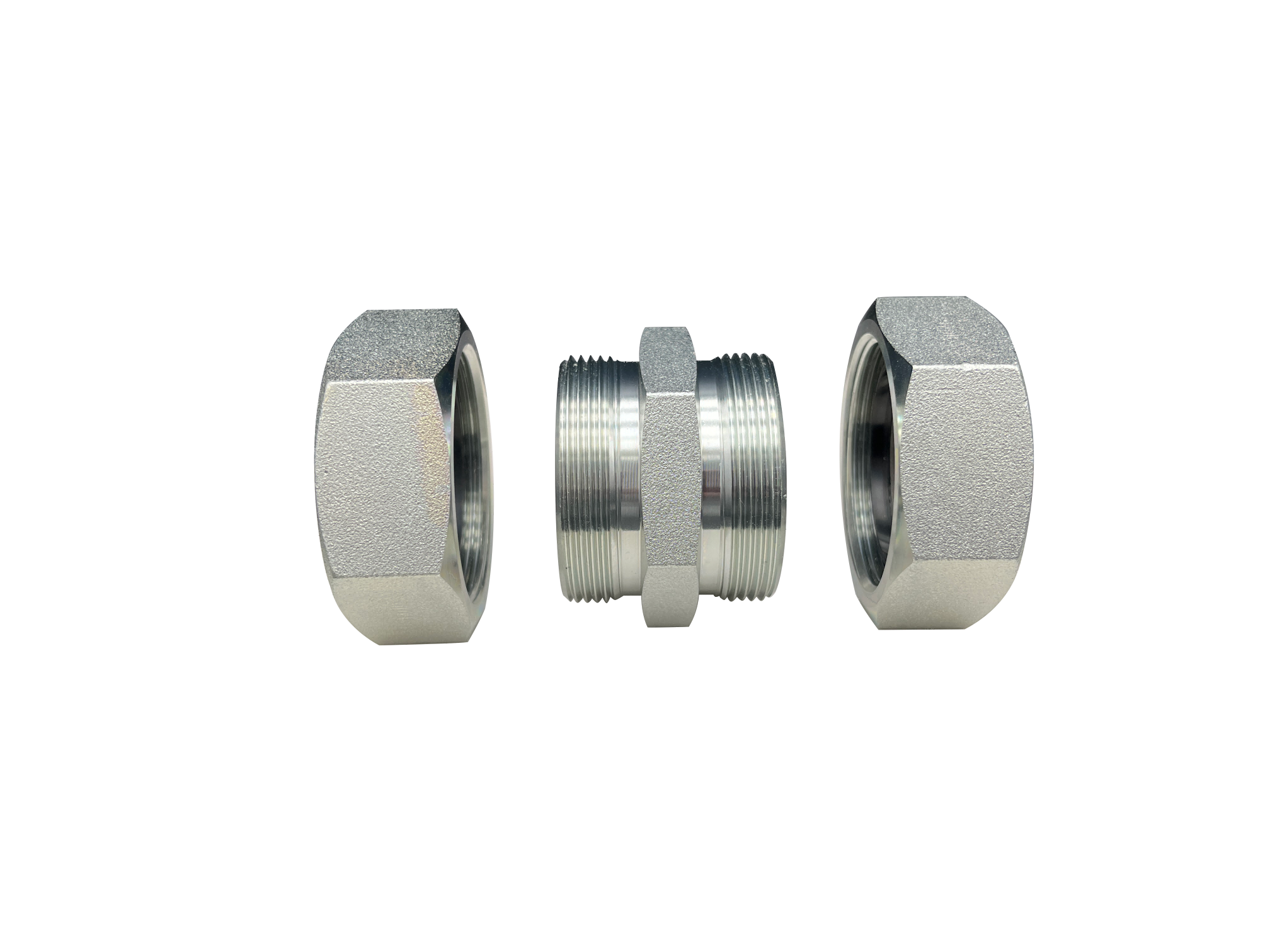
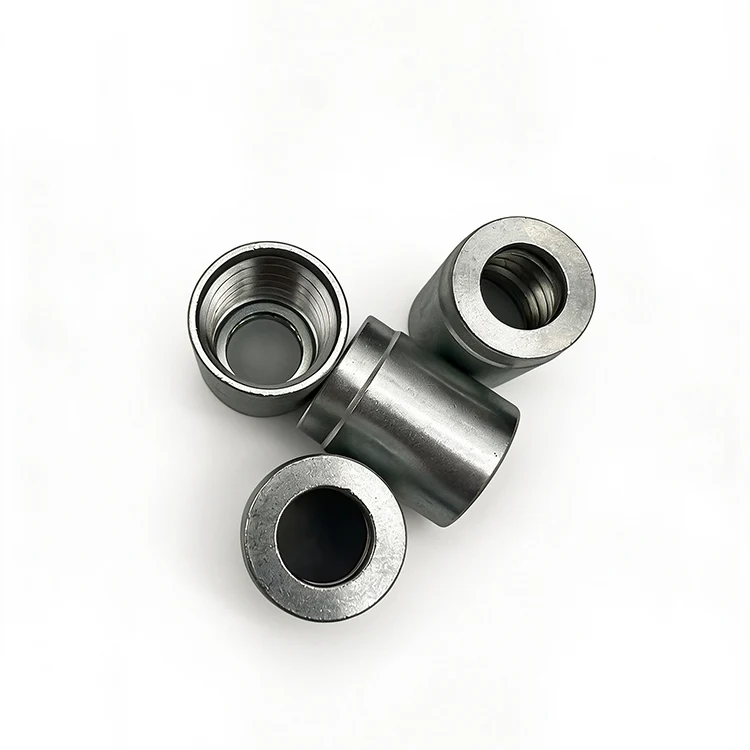
A traditional bite-type fitting consists of multiple loose parts—the nut, the ferrule (cutting ring), and the fitting body—often supplied in separate batches and stored loose. Before working on the tube end, a worker must complete three steps: "find the parts → verify the specification → manually pre-assemble the ferrule." A single mismatched part leads directly to rework. On assembly lines running multiple specifications in parallel, this fragmented supply significantly lengthens the per-point takt time.
2. Torque-sensitive, quality heavily dependent on the worker's feel
The essence of a bite-type fitting lies in the ferrule's "progressive bite" into the tube wall; its sealing performance and pull-out resistance depend on a precise axial advancement, which is ultimately expressed through the tightening torque of the nut. Too little torque means insufficient bite and easy leakage; too much torque means the ferrule cuts in excessively, damaging the tube and even causing fitting brittle fracture. With no quantitative feedback on site, quality variation depends almost entirely on the operator's experience.
3. No built-in inspection, defects only found after the fact
Traditional fittings have no "self-proving" mechanism. Whether the assembly is properly seated and whether the ferrule has bitten uniformly can only be judged by visual inspection or post-assembly pressure testing. Once a micro-leak surfaces after the system is refilled, troubleshooting and rework costs often multiply—and the machine's delivery schedule is put at risk.
4. Difficult to replace, maintenance requires cutting the tube
When the fitting body or seal is damaged, the traditional approach typically requires cutting the pipe, re-threading the ferrule, and re-pre-assembling. This is time-consuming and, through repeated cutting, shortens the effective tube length—gradually approaching the repairable limit and continuously squeezing the maintenance headroom available before the machine is retired.
To address the above bottlenecks, xyoon's EO-2 functional nut builds on the mature structure of bite-type fittings and introduces three targeted innovations, turning "uncertain manual steps" into "deterministic part structures."
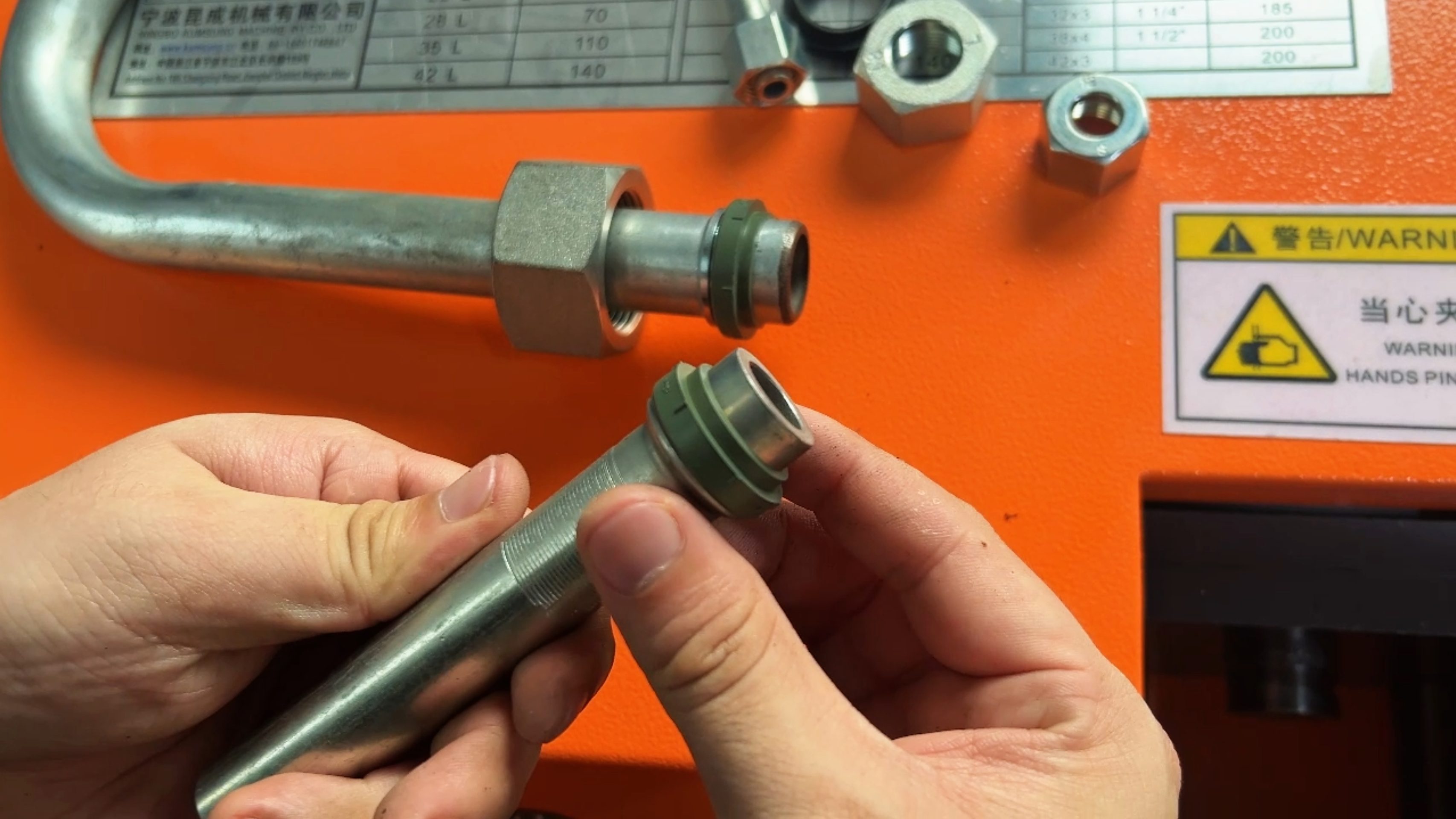
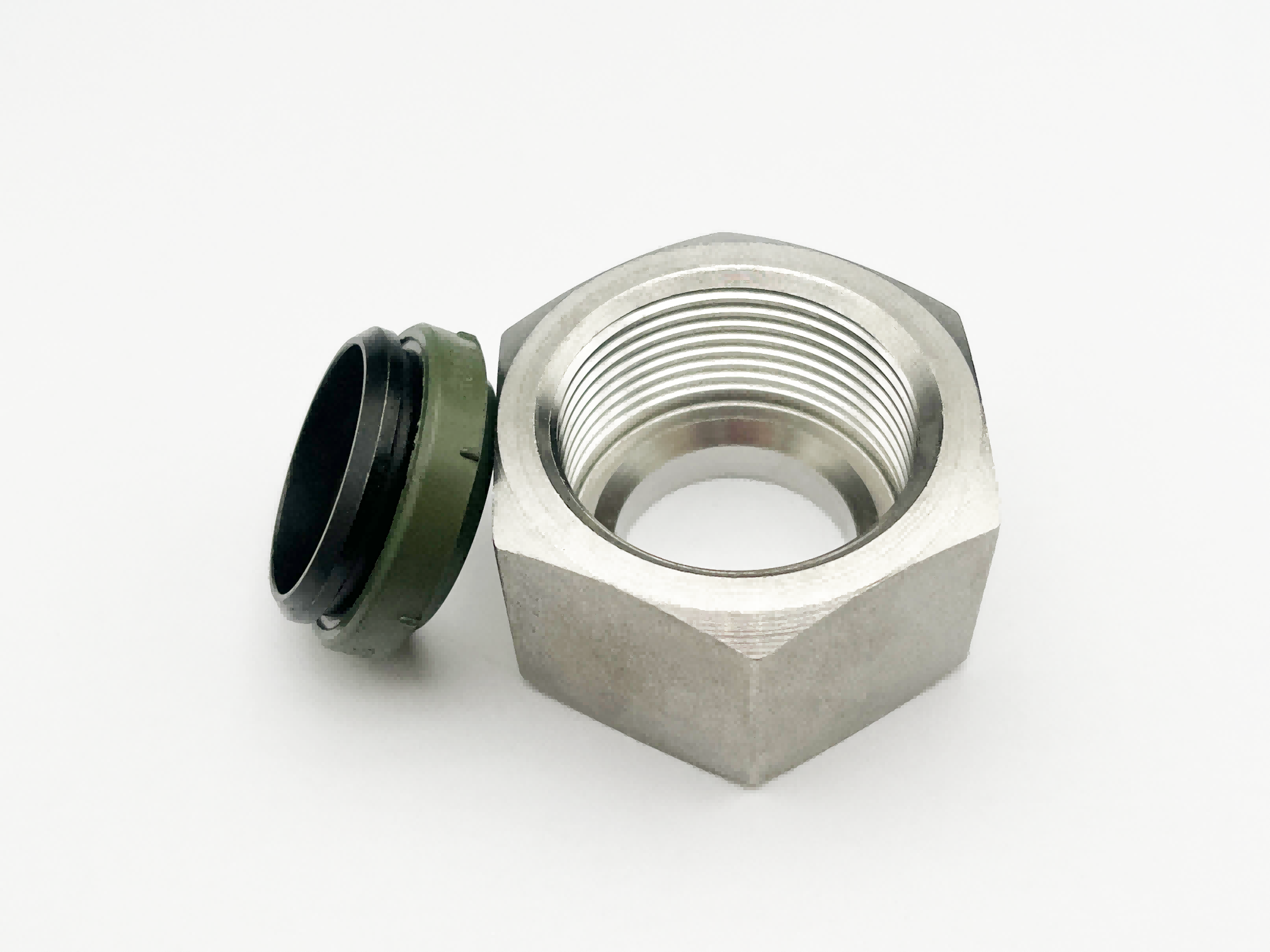
The EO-2 integrates a pre-assembly body (pre-assembly guide structure) inside the nut, moving the "ferrule pre-assembly" step from on-site manual work to the factory-finished state. More critically, the pre-assembly body and the nut form a defined mechanical stop, so the tightening process automatically "stops once correctly seated" after reaching the proper bite position—structurally eliminating the risk of tube damage and brittle fracture caused by over-tightening. Assembly no longer depends on the worker's torque feel, and quality consistency improves markedly.
The EO-2 is fully compatible with the ISO 8434 (equivalent to DIN 2353) metric bite-type fitting standard; tube diameters, threads, and ferrule geometry all conform to internationally accepted specifications. This means it can directly replace standard bite-type fittings on existing production lines without redesigning tube clamps, pipe routing, or the procurement system. The marginal cost of retrofitting and switching is extremely low, making gradual rollout on installed equipment easy.
The EO-2 adopts a seal element designed for individual replacement. When the seal ages or is damaged, maintenance personnel only need to replace the seal ring—no need to cut and re-pre-assemble the pipe. This design completely removes the hard maintenance threshold of "having to cut the tube," significantly reducing the time and material loss of after-sales and field maintenance, and extending the repairable life of the tube run.
A European heavy construction-machinery manufacturer introduced xyoon's EO-2 functional nut on its excavator and crane hydraulic final-assembly lines, piloting a replacement of the original bite-type fitting solution across more than 2,000 piping connection points on a single line. After tracking statistics over a full production cycle (12 months), the quantified results were as follows:
- Assembly time reduced 40%: The built-in pre-assembly body eliminates on-site ferrule pre-assembly and torque calibration, and combined with the plug-and-play nature of the ISO standard, the per-point assembly takt is significantly compressed.
- Rework rate down to 0.5%: Physical over-tightening prevention removes the human variation of over-/under-tightening, and the post-assembly leakage problems caused by "no built-in inspection" essentially disappear.
- Maintenance cost down 55%: The no-pipe-cutting design with replaceable seal rings turns after-sales repair from "cut-and-reassemble" into "swap-the-ring-and-restore," driving down both labor hours and tubing material.
The manufacturer also reported that the freed-up line takt from the speed-up increased its unit capacity without adding workstations; meanwhile, leakage-related reliability indicators rose rather than fell—efficiency and reliability improved in the same direction.
In hydraulic system engineering, "fast" and "reliable" are often assumed to be a trade-off. xyoon's EO-2 functional nut demonstrates that true efficiency gains do not come from "skipping steps," but from "making unreliable steps deterministic":
- The built-in pre-assembly body shifts quality risk from the worker's feel to the part's structure;
- Standardized interchangeability lets you speed up without paying the price of system re-engineering;
- The replaceable seal ring turns maintenance from a destructive operation into a repeatable one.
For hydraulic system engineers, the key to selection decisions should not be unit price alone, but the assembly takt, rework probability, and maintenance cost viewed across the full life cycle. When one innovation can simultaneously cut assembly time by 40%, drive the rework rate down to 0.5%, and reduce maintenance cost by 55%, it is no longer just a "faster fitting"—it is a more reliable assembly paradigm. That is the proof that speed and reliability can indeed go hand in hand.
-