
Most Common Questions After Receiving Your Electric Cutting Ring Pre-assembly Flaring Machine — and How to Fix Them
Why won't the ferrule grip the tube? Why does the die wear out after just one use? Why does it still leak even though it looks properly assembled? These questions may seem trivial, but they directly determine whether pre-assembly succeeds and whether the seal is reliable.
Most common issues cluster into five key areas: operating procedure, die selection, pressure setting, pre-assembly inspection, and daily maintenance. Below we break down each dimension so you can troubleshoot and resolve problems along the shortest path.
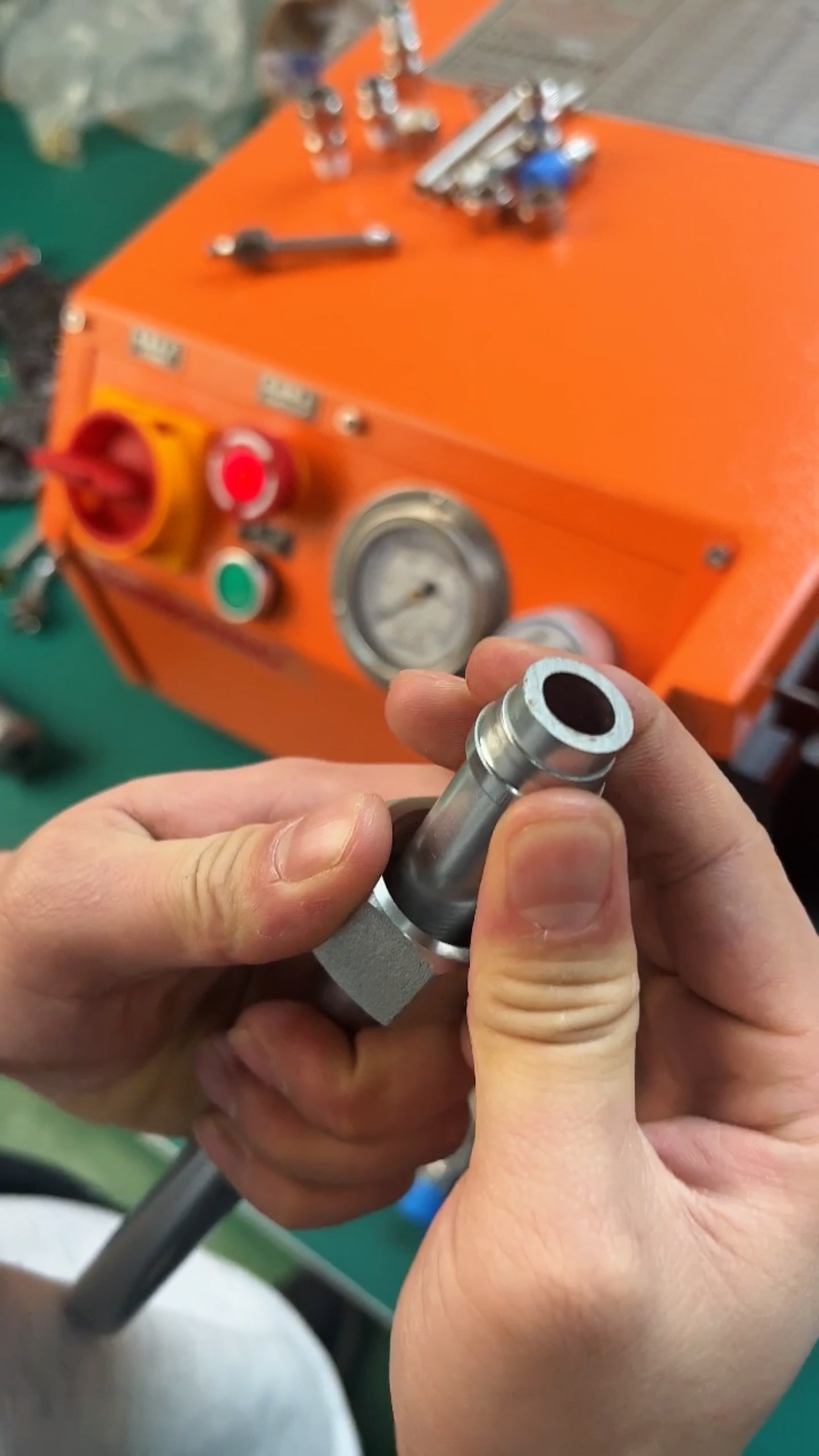
Common signs: The tube end is not square (not perpendicular to the axis), has burrs, or the tube itself is bent.
Consequences: This causes misaligned ferrule pre-assembly, seal failure, and may even damage the die.
Correct practice: Make sure the tube end has a straight, square section with an angular error within ±1°, then deburr both inside and outside and clean it thoroughly.
Common signs: The ferrule's cutting edge faces the wrong direction, or the nut and ferrule are fitted in reversed order.
Consequences: Pre-assembly cannot be completed, or the ferrule fails to seal after pre-assembly.
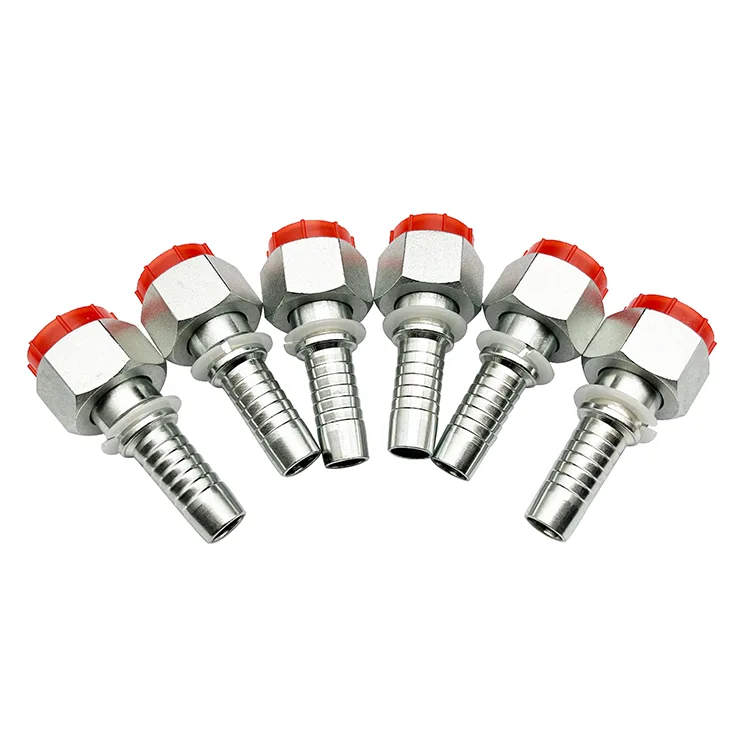
Correct practice: First slide the nut onto the tube, then the ferrule — and the cutting-edge end of the ferrule must face toward the tube end.
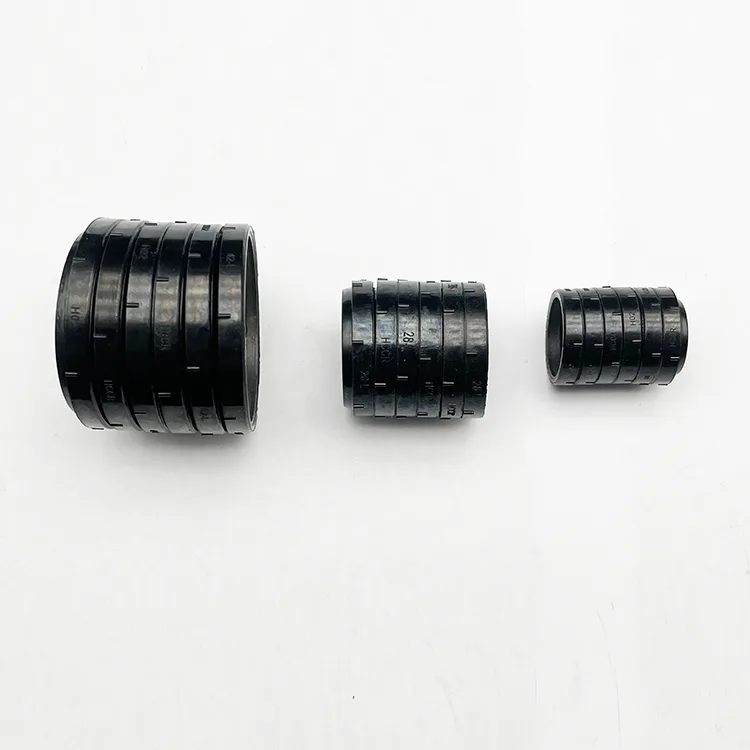
Common signs: The matching sleeve and backstop were not chosen according to the tube outside diameter, or the die is not seated properly and the locating pin is not inserted.
Consequences: The tube cannot be inserted correctly into the die; during pre-assembly the tube slips or the die gets damaged.
Correct practice: Select the die model that matches the tube diameter. After cleaning and lubricating it, install it correctly on the machine and insert the locating pin to secure the sleeve.
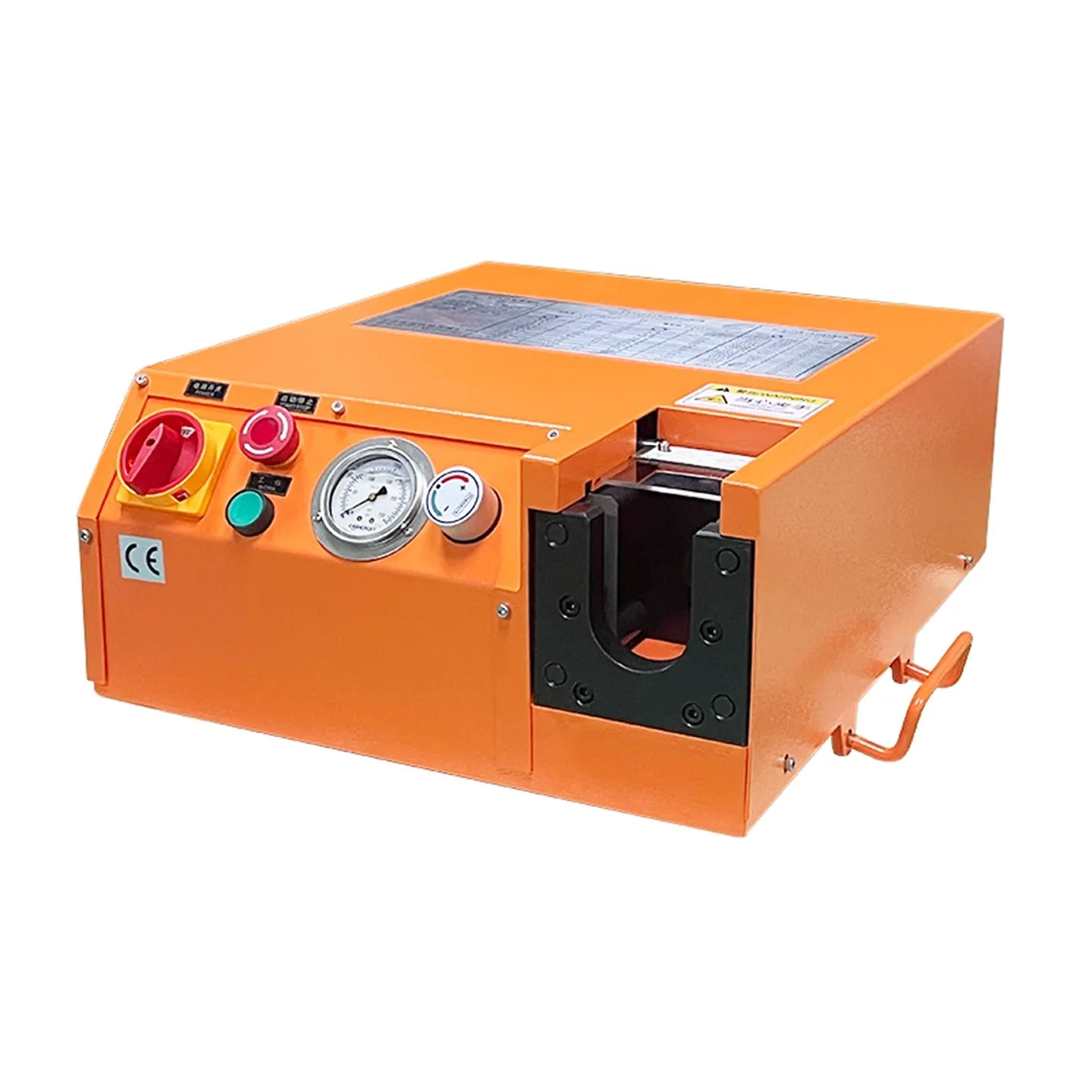
Common signs: Ignoring the pressure reference table and adjusting by feel. For softer tubing (such as copper), the pressure is not reduced accordingly.
Consequences: Excessive pressure deforms the ferrule and flattens the sealing cone (loss of elasticity); insufficient pressure means the ferrule won't grip the tube and can still move up and down.
Correct practice: Set the pressure according to the machine's pressure reference table. For softer tube materials, reduce the pressure appropriately.
Common signs: After pre-assembly the customer is unsure whether it passed, or mistakes a failed state for a successful one.
Key acceptance criteria — two signs of success:
The ferrule grips the tube: it cannot move up or down, but it can rotate left and right.
At the front of the ferrule (at the first cutting edge) you can see a distinct ring of material bulge that covers at least 80% of the ferrule face.
Three signs of failure (adjust or replace the die immediately):
The ferrule does not grip the tube and can still move up and down.
The ferrule cannot rotate left or right — it has already locked onto the tube.
The ferrule's sealing cone has been flattened and has lost its elasticity.
Common signs: Reaching into the work area by hand while the machine is running, or starting the machine before the tube is correctly inserted into the die.
Consequences: Can cause serious personal injury or equipment damage.
Correct practice: Never let hands enter the work area while the machine is operating. Never start the machine for an empty (dry) stroke before the tube is inserted into the die.
Common signs: Dies are used for a long time without cleaning or inspection, leading to severe wear.
Consequences: Pre-assembly / flaring fails, and a worn die accelerates damage to new tubes.
Correct practice: Pre-assembly dies and flaring dies wear easily — they must be inspected at least every 50 pre-assemblies. Clean and lubricate them regularly, and store them in a clean, corrosion-free environment.
-