
In industrial hydraulic and fluid transmission systems, the sealing reliability of tubing connections directly determines the operational stability, service life and overall maintenance cost of the entire equipment. As one of the most widely used tubing connection technologies in the industrial field, ferrule tube fittings (also known as compression tube fittings) are gradually replacing traditional welded and flared fittings thanks to their core advantages of welding-free installation, convenient assembly, high pressure resistance and vibration resistance, and have become the standard tubing connection solution for high-end manufacturing sectors such as construction machinery, wind power equipment, new energy, and shipbuilding heavy industry.
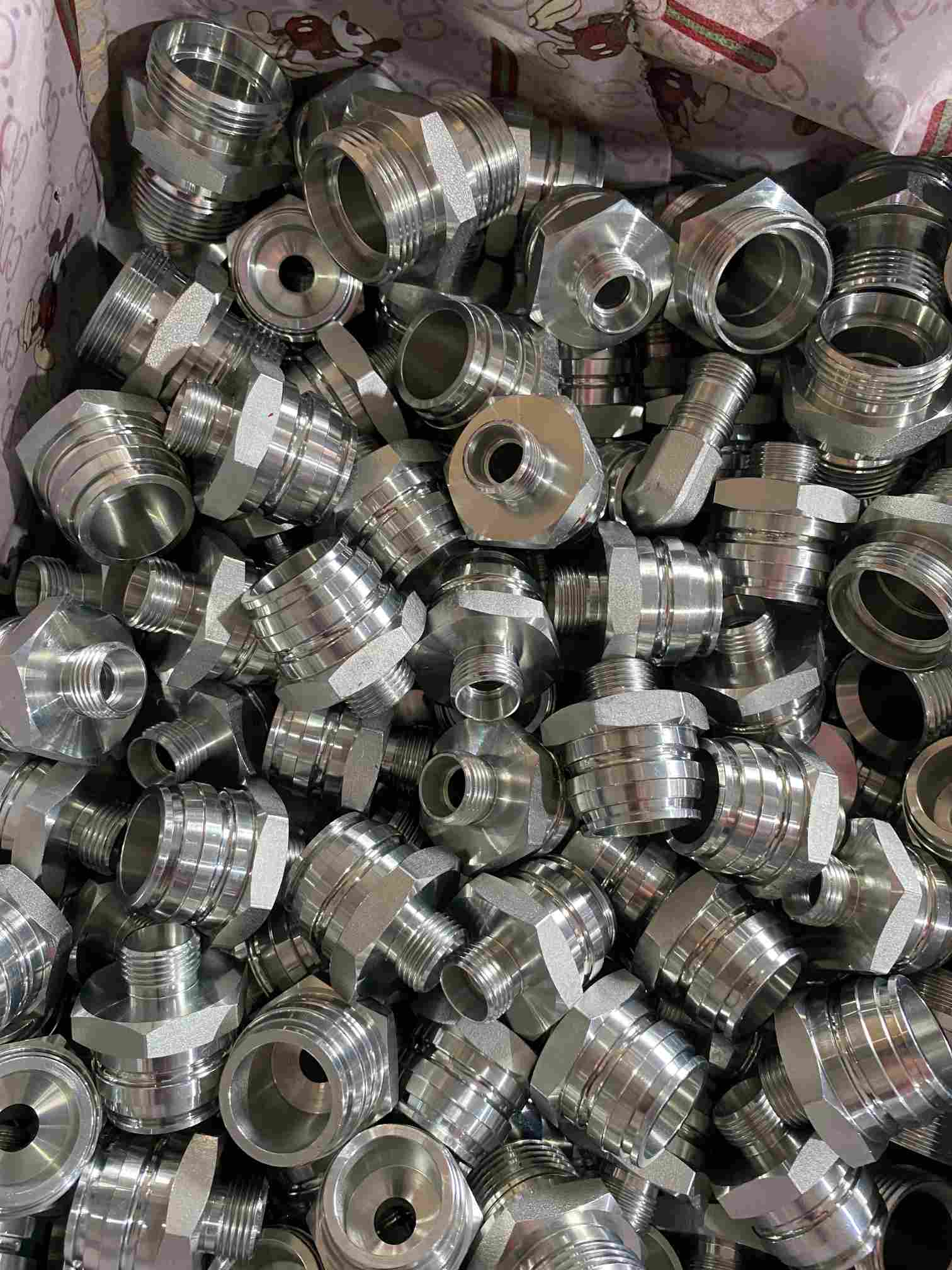
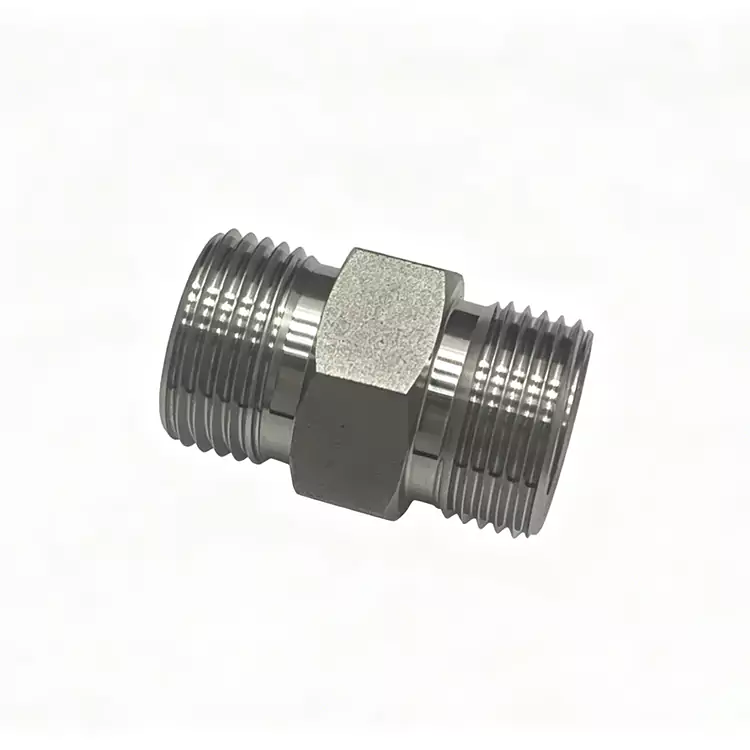
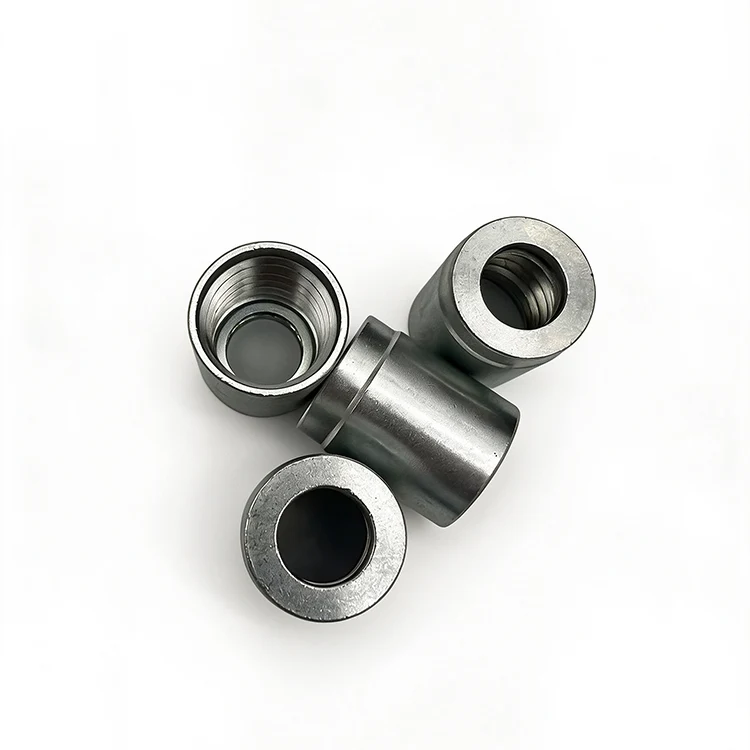
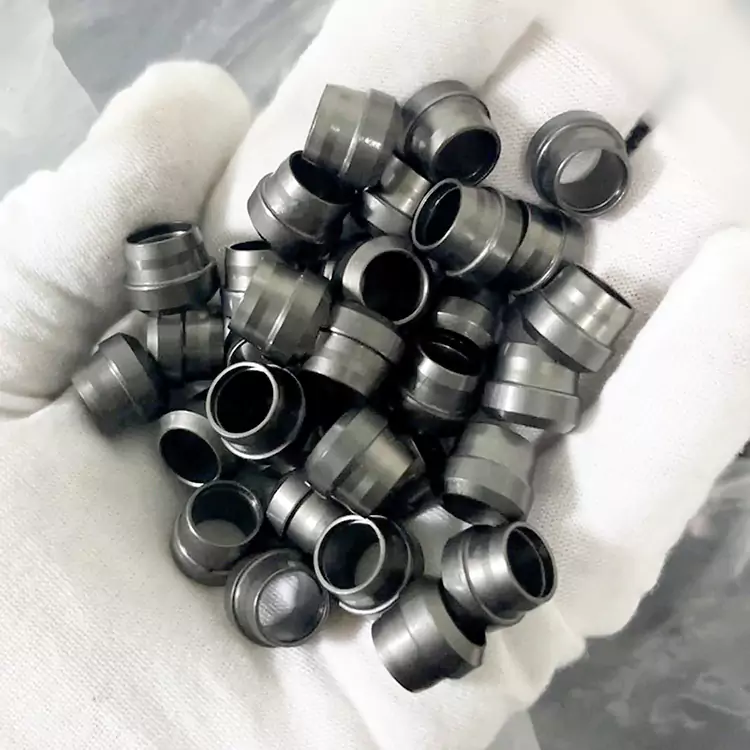
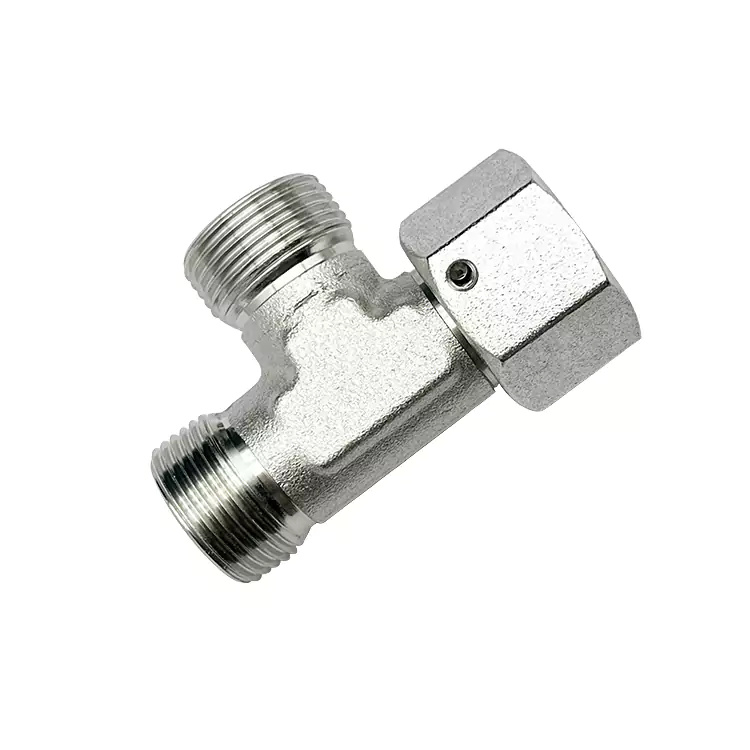
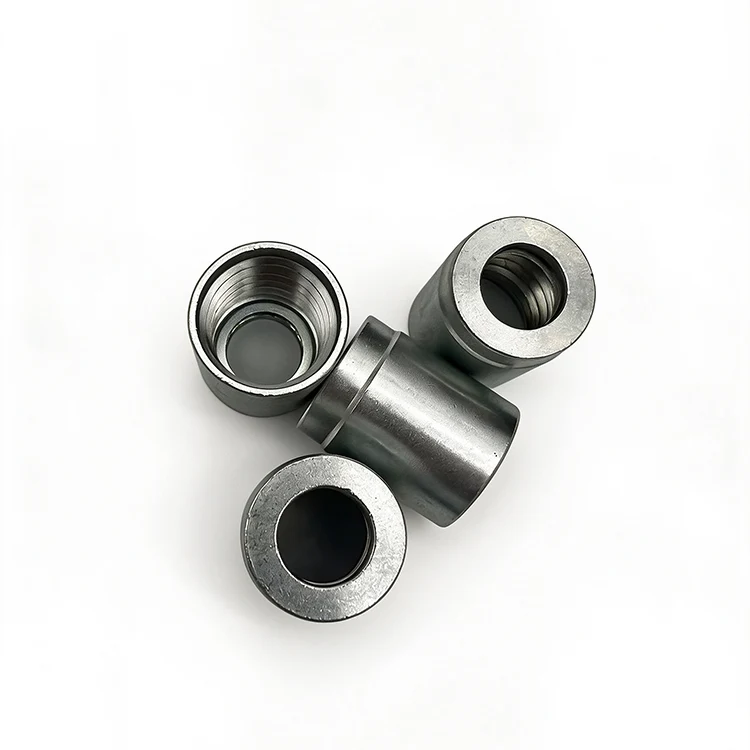
Ferrule tube fittings manufactured in compliance with ISO 8434-1 / DIN 2353 standards consist of three core components: the fitting body, the ferrule, and the compression nut.
Its sealing mechanism is based on the 24° cone seat metal-to-metal hard seal principle: when the compression nut is tightened, it pushes the ferrule to advance axially along the 24° inner cone surface inside the fitting body. Under the radial extrusion force of the cone surface, the front cutting edge of the ferrule cuts evenly into the outer wall of the steel tube, forming a continuous annular bite sealing line. At the same time, the middle section of the ferrule undergoes elastic deformation and firmly grips the outer wall of the steel tube, realizing both axial positioning of the tubing and a reliable static seal.
This all-metal hard seal structure requires no additional rubber sealing rings, and is less affected by medium temperature and corrosive environments. It is compatible with most hydraulic oils, emulsions and some corrosive fluid applications. Among them, the heavy-duty series can reach a maximum rated working pressure of 800 bar.
Compared with traditional tubing connection methods, ferrule tube fittings have outstanding technical advantages and are the preferred connection solution for industrial hydraulic systems:
No hot welding work is required, and the subsequent pickling and passivation processes are eliminated. This fundamentally eliminates the risk of fire from welding and contamination of the tubing interior by welding slag, making it especially suitable for explosion-proof environments and workplaces with high cleanliness requirements. Installation can be completed only with matching tools and pre-assembly equipment, which greatly simplifies the workflow and improves overall construction efficiency by more than 60%.
The standardized cone seat fit and cutting edge bite structure ensure that the sealing consistency of the connection point is much higher than that of manual welding. A properly installed ferrule connection can withstand high-frequency vibration, pressure pulses and temperature alternations, effectively reducing the leakage failure rate of hydraulic systems and extending the routine maintenance cycle of equipment.
Ferrule fittings support repeated disassembly and reassembly. Standardized disassembly will not damage the fitting body or the steel tube itself. During tubing modification and equipment maintenance, disassembly and reassembly can be completed quickly, greatly reducing maintenance time and material loss costs.
It is compatible with steel tubes of various materials such as carbon steel, stainless steel and brass, covering tubing diameters from φ6mm to φ42mm and even larger sizes. Meanwhile, hundreds of specifications such as straight couplings, elbows, tees, reducers and flange adapters have been derived to fully meet the layout design needs of complex tubing systems.
· Straight series: Including straight couplings, straight male connectors and bulkhead straight connectors, used for straight connection of tubing with the same diameter.
· Elbow series: Including 90° elbows and 45° elbows, used for steering arrangement of tubing.
· Tee / Cross series: Used at tubing branch nodes to realize fluid distribution with one inlet and multiple outlets.
· Adapter series: Ferrule to thread, ferrule to flange, ferrule to hose adapters, used for connecting tubing of different connection types.
· Plug series: Used for sealing and blocking the end of tubing.
· Light-duty (LL series): Suitable for medium and low pressure hydraulic systems and lubrication systems, with working pressure ranging from 100 to 315 bar.
· Heavy-duty (S series): Suitable for high-pressure and heavy-duty working conditions, with a maximum working pressure of up to 800 bar.
· Carbon steel: Suitable for conventional hydraulic conditions, with high cost-effectiveness and galvanized surface for rust prevention.
· Stainless steel (304/316): Suitable for special working conditions such as corrosive environments, food and pharmaceutical industries, and marine engineering.
At present, ferrule tube fittings have been widely used in various high-end manufacturing fields. Typical applications include hydraulic power systems of construction machinery, pitch and brake hydraulic stations of wind power equipment, thermal management tubing of new energy vehicles, marine hydraulic systems, machine tool hydraulic stations, and petrochemical pipelines.
The final sealing effect of ferrule fittings depends about 70% on the standardization of the installation process. The following are key links to ensure installation quality:
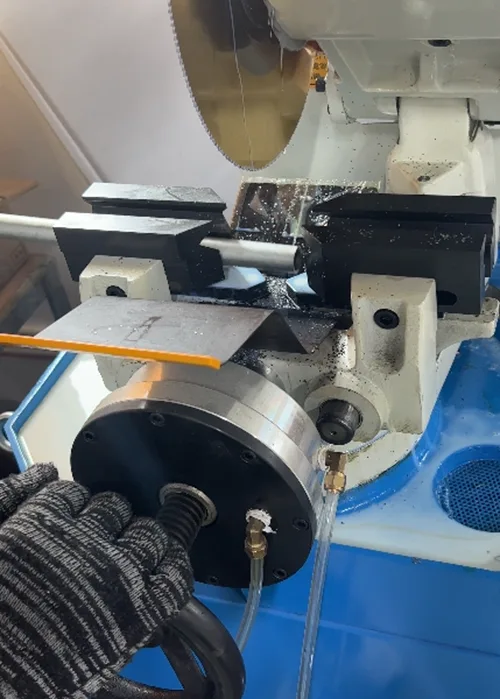
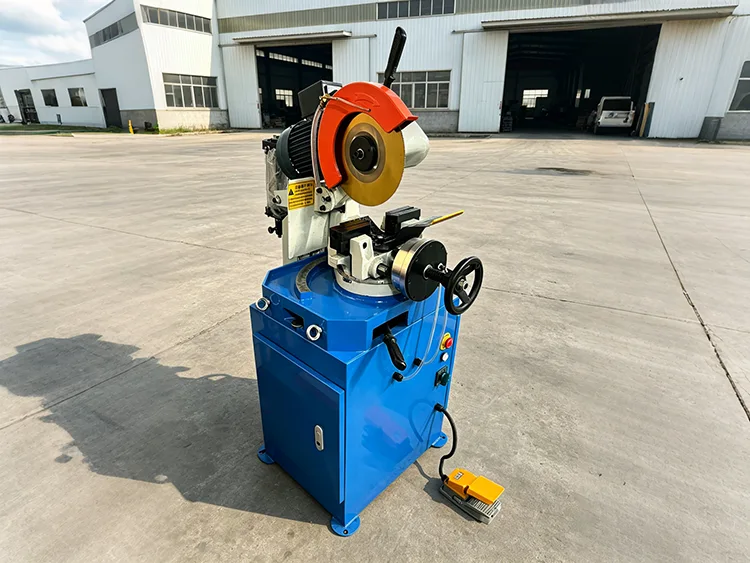
The cut end face of the steel tube must be perpendicular to the tube axis, with an angle deviation of no more than 0.5°. Burrs on both the inner and outer sides of the end face must be completely removed to prevent iron filings from entering the hydraulic system and contaminating the working medium. The outer wall of the steel tube must be free of scratches, corrosion and deformation defects.
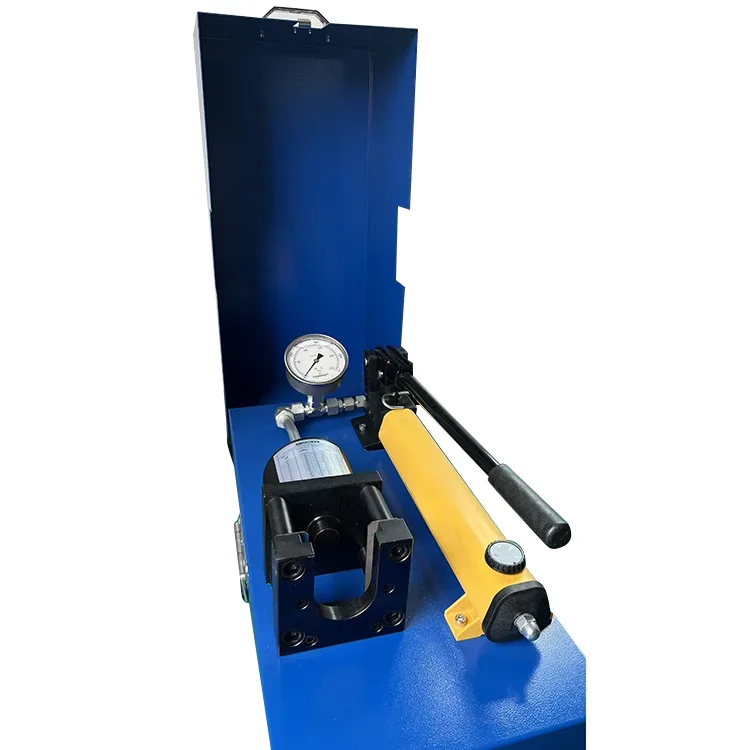
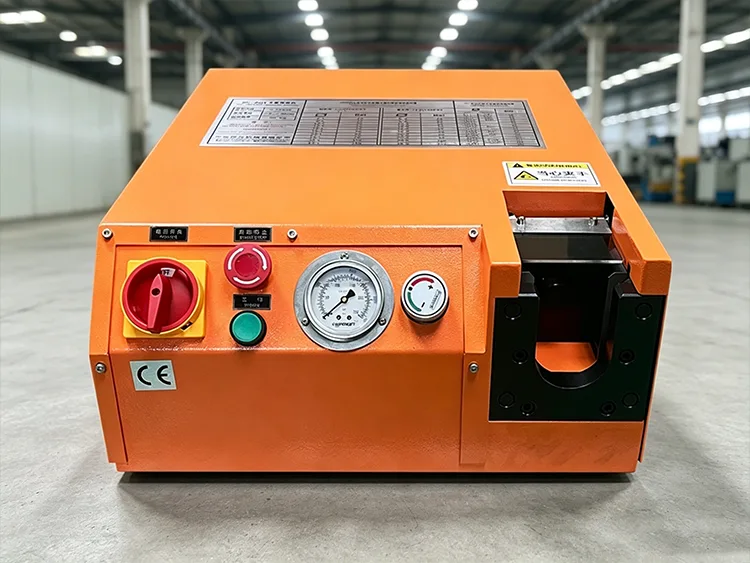
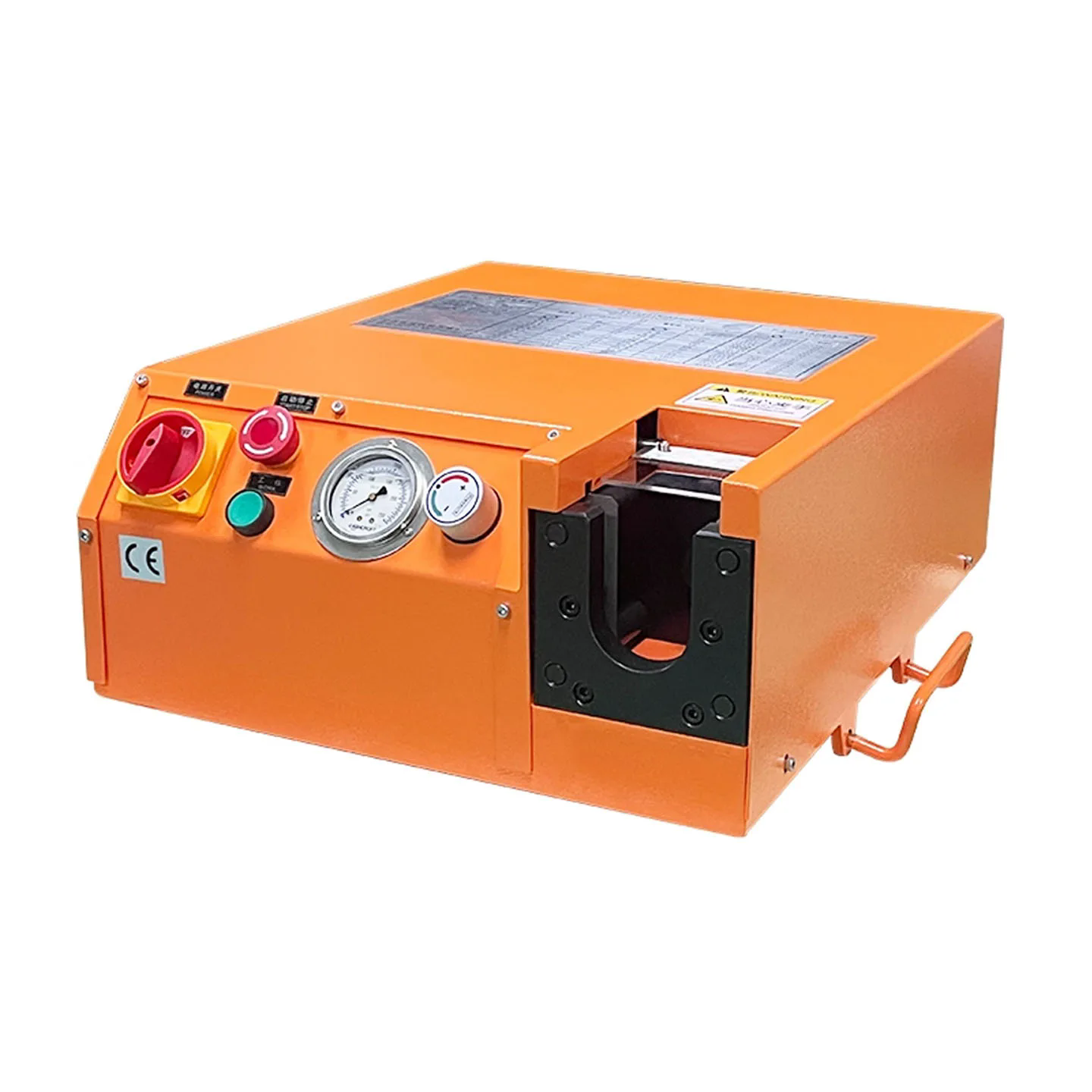
Manual pre-assembly makes it difficult to ensure the consistency of the cutting edge penetration depth. For batch installation scenarios, it is strongly recommended to use a professional ferrule pre-assembly machine to complete the pre-assembly process: by precisely controlling the pre-assembly stroke and applied pressure, the ferrule cuts evenly into the tube wall, ensuring uniform pre-assembly quality for every fitting. After pre-assembly, check whether the ferrule is skewed and whether the cutting edge has completed full biting.
During final assembly, tighten the nut strictly according to the standard torque value to avoid sealing failure caused by under-tightening, or excessive deformation and cracking of the ferrule caused by over-tightening. Fittings of different diameters and materials correspond to different standard torques, and operations shall be carried out with reference to the parameter table of corresponding specifications.
After the entire tubing system is installed, a step-by-step pressure holding test shall be carried out. The pressure shall be increased step by step to 1.5 times the rated working pressure, and it is qualified if there is no leakage or looseness after holding the pressure for 5 minutes.
As high-end equipment continues to develop toward high pressure, miniaturization and long service life, ferrule tube fitting technology is also undergoing continuous iterative upgrading. On the one hand, new structures such as high-precision double-ferrule fittings and special ferrules for ultra-thin wall tubing are continuously introduced to further improve sealing reliability. On the other hand, the application proportion of stainless steel and special alloy ferrules continues to increase, adapting to more extreme working conditions.
For end users' selection and use, two core suggestions are put forward:
· When selecting products, give priority to regular products that comply with ISO 8434-1 standards, confirm the heat treatment hardness of the ferrule and the machining accuracy of the cutting edge, and avoid system leakage failures caused by low-cost inferior fittings.· For batch installation scenarios, be sure to equip with professional ferrule pre-assembly machines to replace manual operations with standardized processes, which fundamentally guarantees installation quality and can significantly reduce overall operation and maintenance costs in the long run.
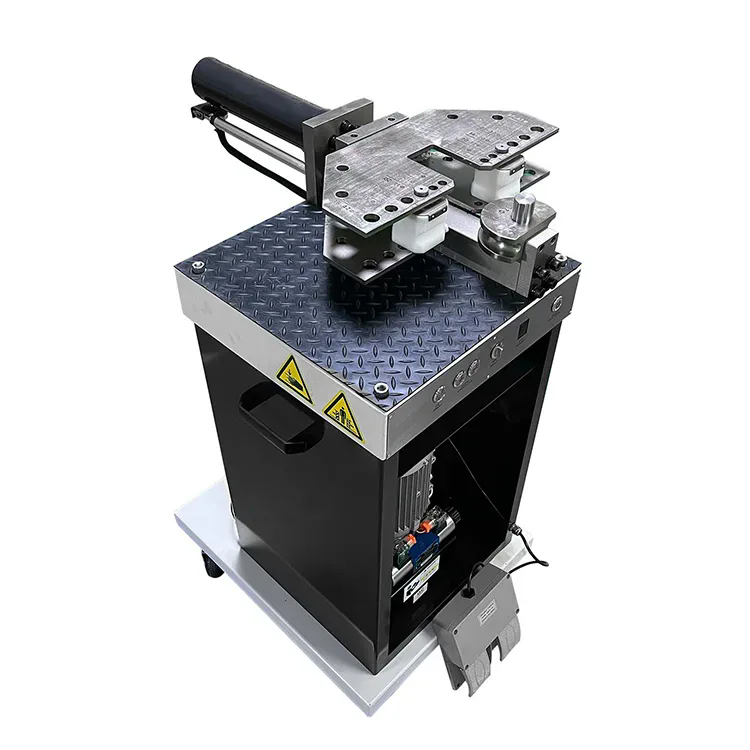
Ningbo XYOON Intelligent Manufacturing Co., Ltd. has been deeply engaged in the field of hydraulic tubing processing equipment for many years. We can provide a full series of ferrule pre-assembly machines and supporting tubing processing equipment, supporting standardized pre-assembly of ferrules of various materials such as carbon steel and stainless steel. We provide complete solutions from tubing processing to fitting installation for the majority of hydraulic tubing integrators and end users, helping customers improve the sealing reliability and production efficiency of their tubing systems.