Update the latest industry trends, product maintenance knowledge, pipeline processing technology and factory dynamic information of hydraulic tube processing machines and hydraulic pipeline fittings.
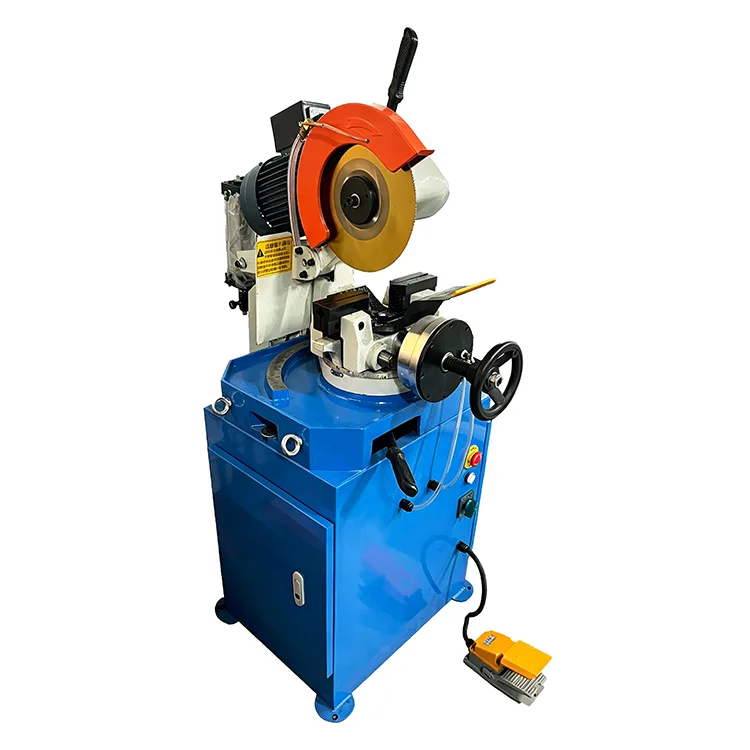
Machine capacity determines whether an operation is feasible, but the drawing and measured first piece decide whether the part can be released. This guide builds a traceable inspection path through cutting, deburring, bending and connection preparation.
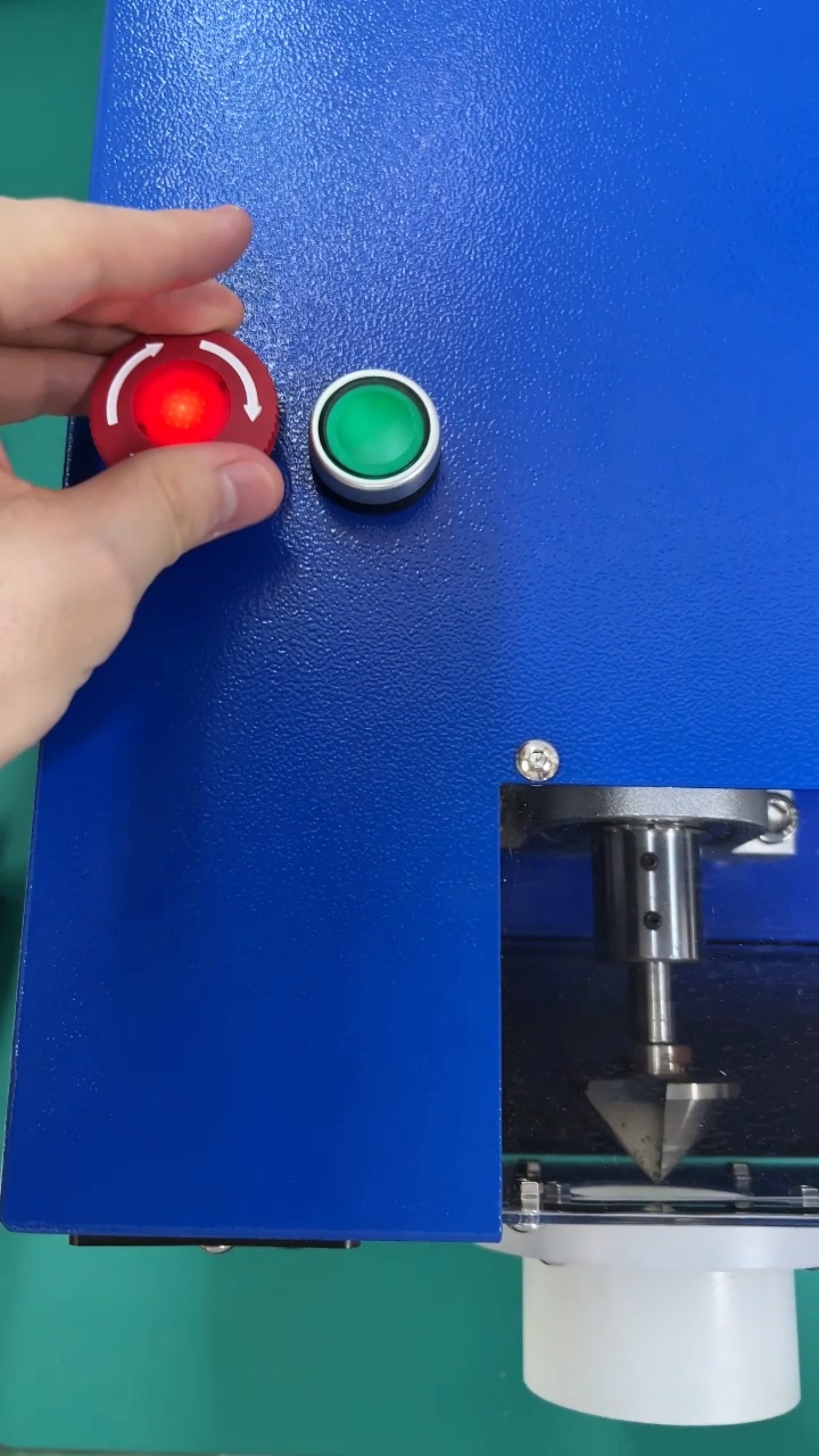
Cutting, welding and stamping always leave burrs on tube ends. Sharp edges raise assembly force, damage seals, and hide leakage risks inside high-pressure lines — which is why the steel pipe deburring machine is now standard equipment wherever metal tubing is processed in volume.
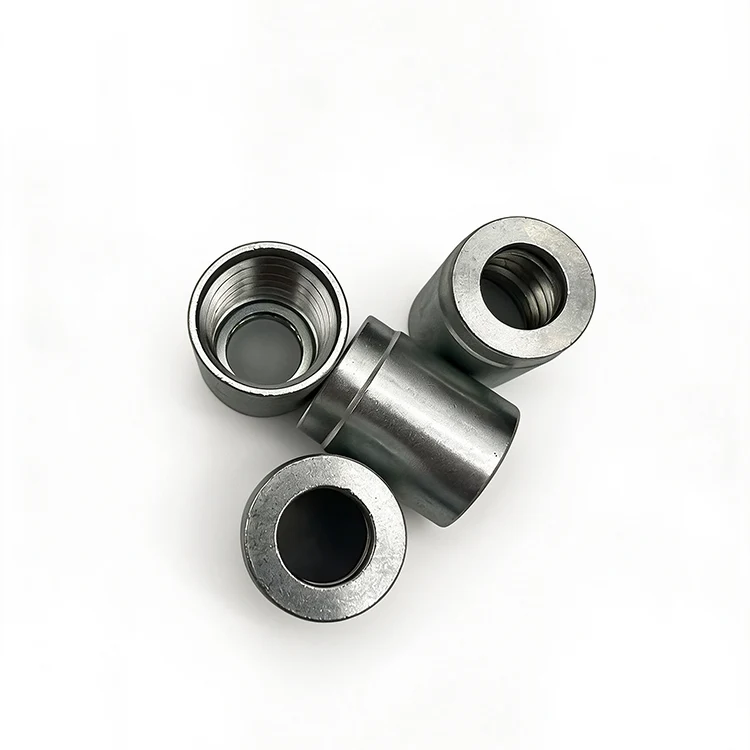
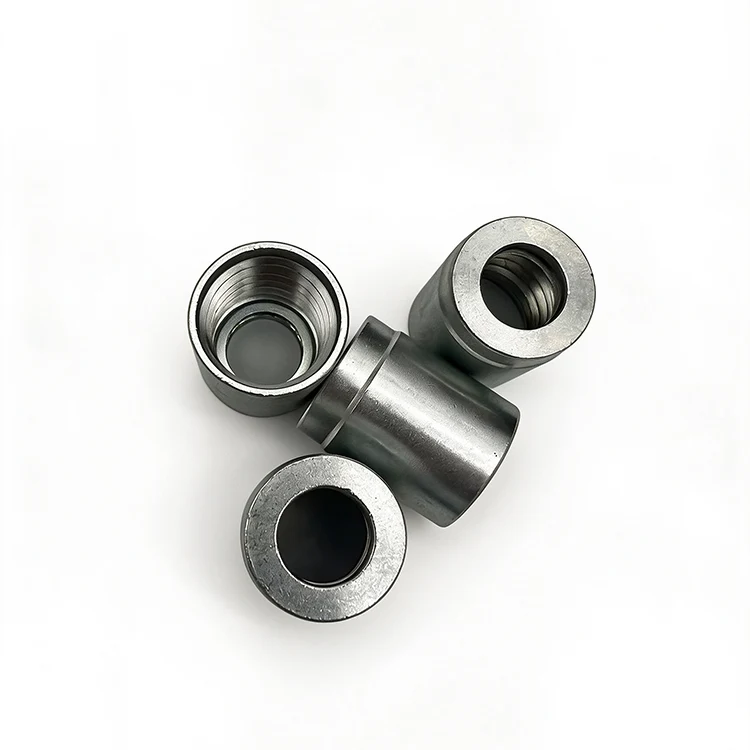
A reliable hydraulic hose connection must withstand pressure, vibration, repeated impulse loads, and demanding operating environments. A properly engineered Crimping Hydraulic Sleeve creates a permanent mechanical connection between a hydraulic hose and its matching hose stem through controlled radial compression. This article explains how crimping sleeves work, what materials and specifications matter, where they are used, and how to select the right solution for high-pressure hydraulic systems.
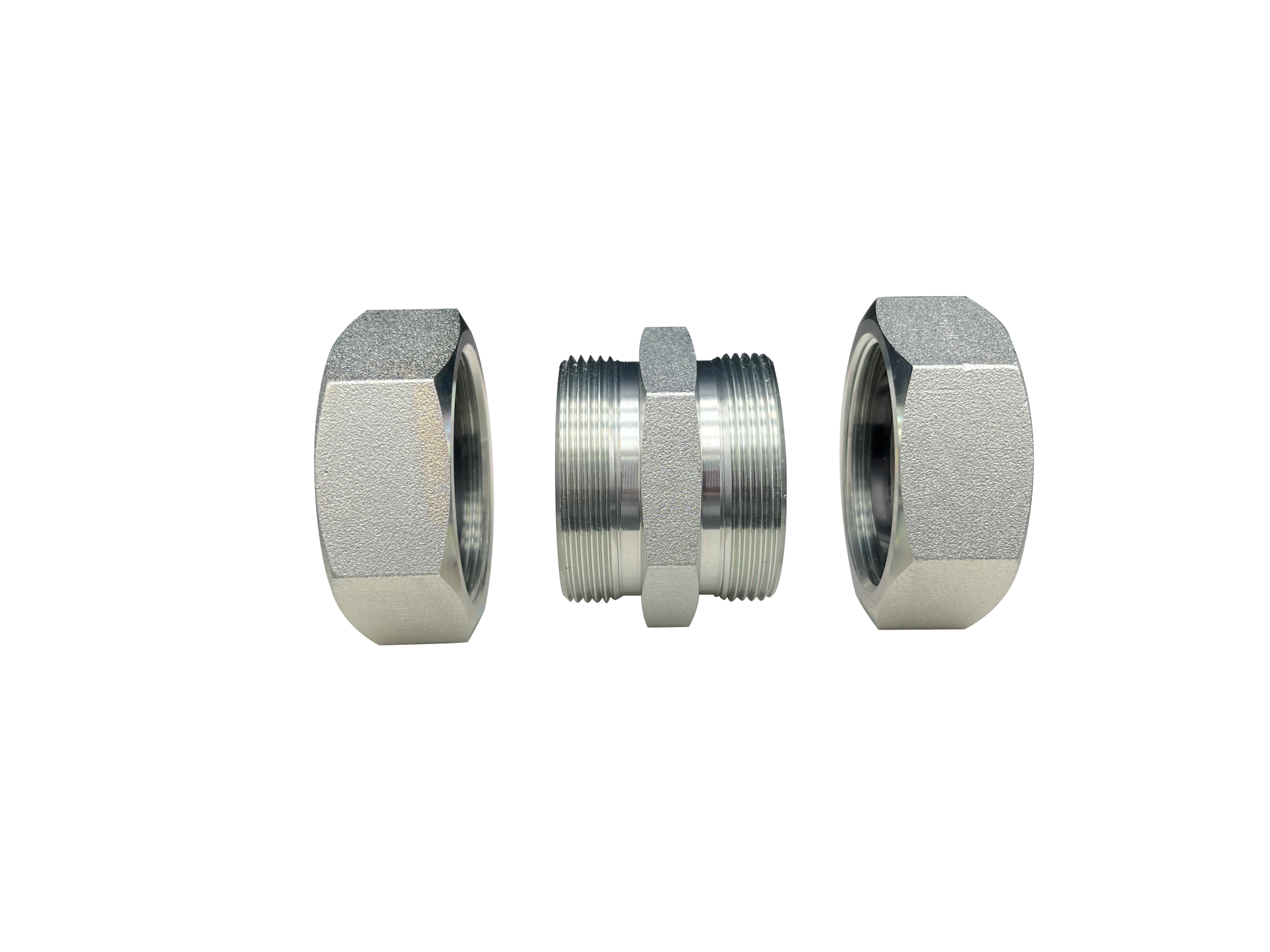
In hydraulic systems, leakage is almost never a problem with the steel tube itself — it is a problem at the connection point. For decades, 24° bite-type fittings built to ISO 8434 / DIN 2353 have been the industry default.
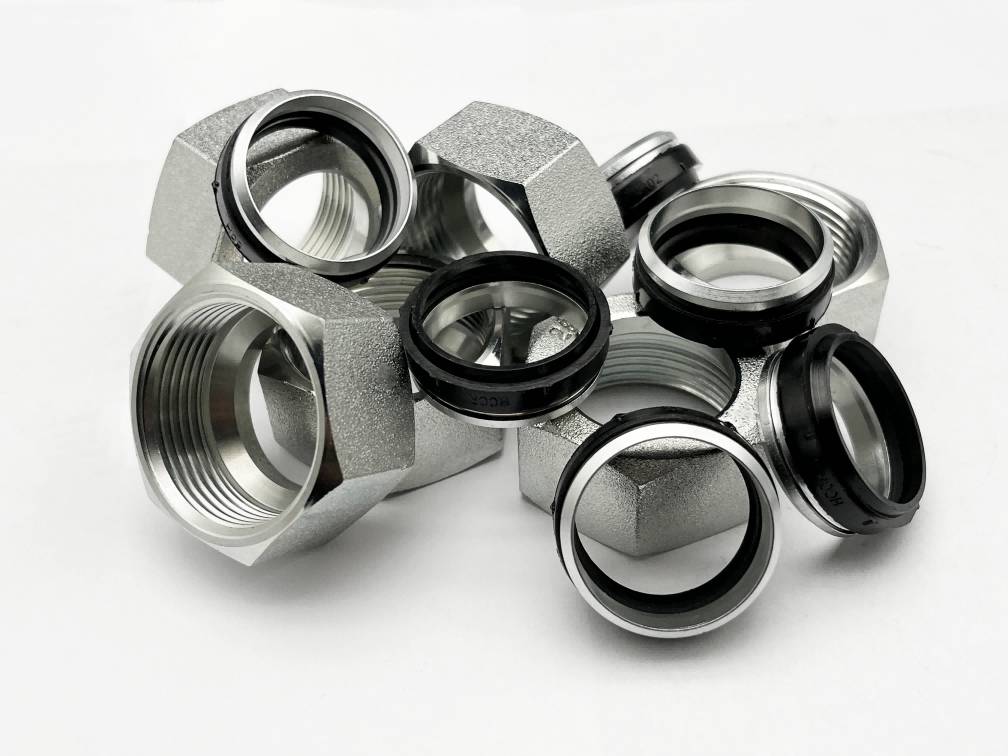
As a key member of XYOON’s EO fitting family, the leak-free EO-2 technology keeps everything that made traditional bite-type fittings popular — cutting-ring connection and exceptionally simple assembly — while delivering more reliable sealing and better tolerance of harsh operating conditions. This article breaks down the real differences between the two at the structural level, as a reference for purchasers, equipment maintenance teams and tube-processing workshops.
A reliable hydraulic tube connection depends on more than the fitting body alone. A properly selected Carbon Hydraulic Sleeve can reinforce the tube connection, improve load distribution, support metal-to-metal sealing, and reduce the risk of leakage caused by vibration or assembly stress. This guide explains its working principle, specifications, advantages, applications, installation considerations, and selection factors for industrial hydraulic systems.
In hydraulic systems, a correctly assembled ferrule-type tube fitting can withstand severe pressure fluctuations — even when the steel tube itself is stressed to the point of deformation, the joint stays leak-free. By contrast, improper assembly directly reduces a joint's pressure resistance and service life, and under extreme conditions can cause tube edge cutting, cracking, and connection failure. To help engineers avoid leakage, rework, and downtime, XYOON has compiled these safety guidelines for correctly installing tube fittings, based on years of field experience.
We use cookies to offer you a better browsing experience, analyze site traffic and personalize content. By using this site, you agree to our use of cookies. Privacy Policy


 30 2026-09
  24 2026-09
  24 2026-09
  21 2026-09
  17 2026-09
  16 2026-09