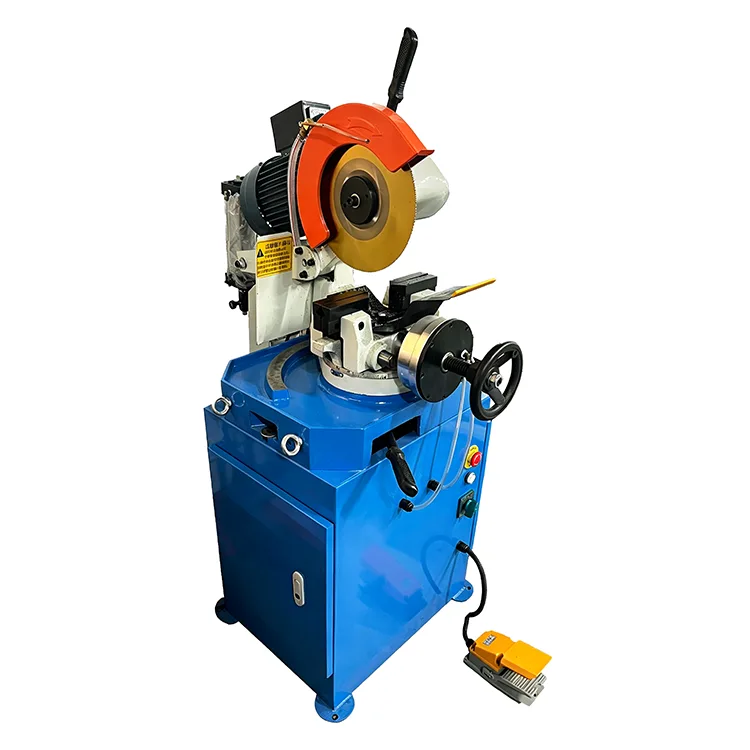
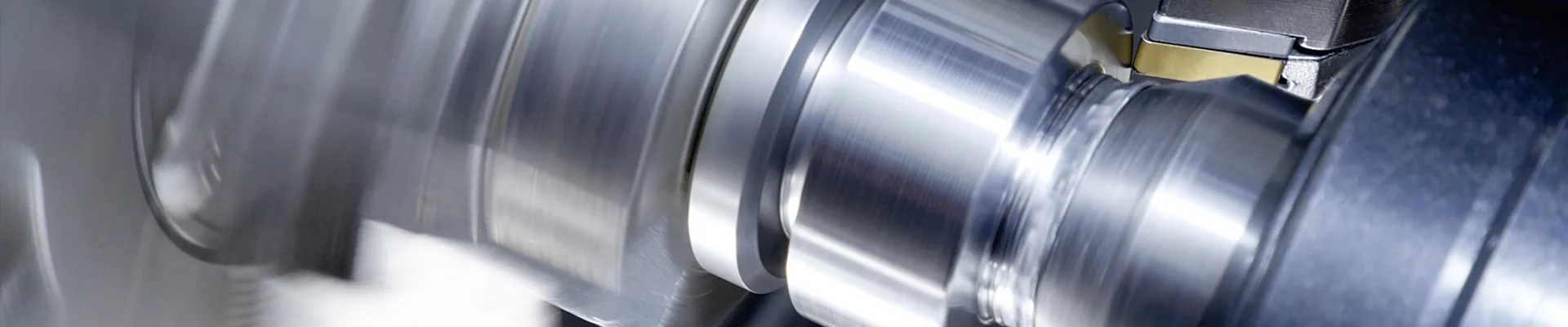
This category covers equipment based on the sawing process—band saw blades or circular saw blades cutting at high speed in continuous contact—where metal workpieces are progressively separated with smooth, burr-free, low-noise, low-spark cuts and a minimal heat-affected zone that avoids distortion. Typical products include portable band saws, vertical and horizontal band saw machines, circular saws, and profile cutting machines, suitable for precision blanking and on-site preparation of carbon steel, stainless steel, and non-ferrous metals.
Mainly used for fixed-length cutting, angle blanking, and end trimming of carbon steel, stainless steel, aluminum alloy, various profiles, pipes, and cables. It replaces traditional methods such as flame cutting and grinding-wheel cutting while maintaining high cut quality without sparks or dust, meeting the requirements for dimensional accuracy, squareness, and surface quality in reliable pipe connection, structural assembly, and maintenance part replacement.
Widely applied in machinery maintenance, petrochemical and boiler pipelines, steel structures, electrical and municipal construction, as well as portable operations in elevated, confined, or field environments without fixed stations. Among them, portable band saws—with lightweight bodies, one-handed operation, and variable speed—paired with various blades for different materials, have become the preferred equipment for the above mobile and confined-space cutting tasks as well as emergency repair.
Q1: What is Metal Sawing Equipment, and how does it differ from general "cutting equipment"?
A: Metal Sawing Equipment uses the sawing process—band saw blades or circular saw blades running at high speed—to separate and cut metal stock, covering portable band saws, band saw machines, and circular saws. Unlike flame, plasma, or laser cutting, it removes material mechanically tooth by tooth, yielding smooth, burr-free cuts with no thermal distortion, ideal for precision cutting of solid profiles and pipes.
Q2: What materials can a portable band saw cut, and what is the max cutting diameter?
A: It cuts carbon steel, stainless steel, aluminum, copper, various profiles, steel pipes, and cables. A typical model like KC-PT delivers 1100W power, up to ~115 mm max cutting diameter, and blade speed of 0.7–2.4 m/s in multiple settings, covering most on-site portable sawing needs.
Q3: How do I choose the right blade for different materials?
A: Select tooth pitch by material and wall thickness: thin-wall pipes and stainless steel need fine teeth to avoid stripping; thick carbon steel uses coarse teeth for speed; profiles and cables need dedicated tooth profiles. Keep proper blade tension and adequate cooling to extend life and improve cut quality.
Q4: Which parameters matter most when selecting metal sawing equipment?
A: Focus on max cutting diameter, rated power and blade-speed range, blade specification compatibility, cut squareness and feed mode (manual/pneumatic/hydraulic/CNC), plus weight, runtime, and speed settings for portable units. Choose based on common profile specs and whether work is fixed-station or mobile on-site.
Q5: Which industries use metal sawing equipment most?
A: Widely used in machinery maintenance, petrochemical and boiler pipeline installation, steel structures, electrical and municipal construction, rail transit, and shipbuilding, as well as portable cutting and emergency repair in elevated, confined, or field environments without fixed stations.