
Selecting the right hydraulic tube fittings is one of the most critical decisions in fluid system design. The ultimate goal is to find the "best-fit solution"—one that delivers high reliability, easy assembly, and straightforward maintenance while minimizing total cost of ownership. Every application has its own definition of the optimal solution, so a systematic evaluation process is essential. This guide walks you through the key factors to consider when choosing rigid tube fittings for your specific project.
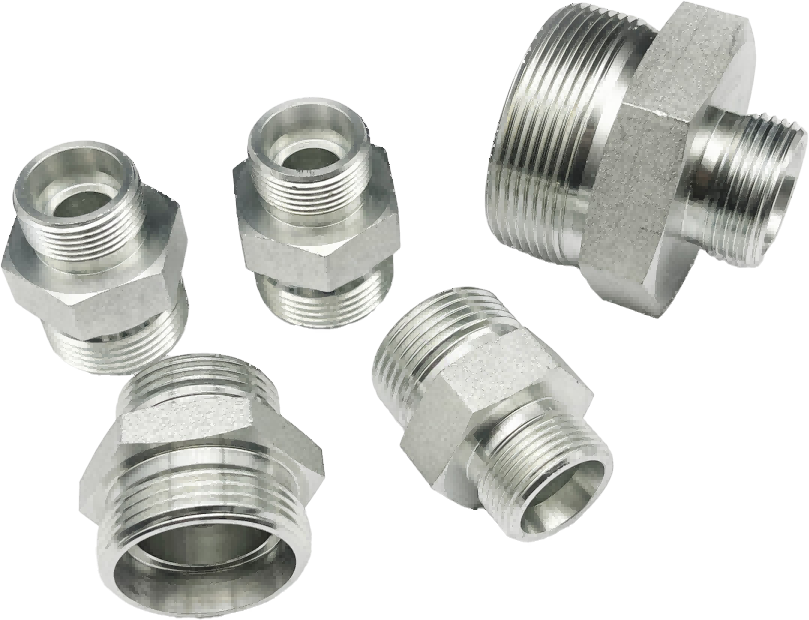
Before evaluating any product, start by clearly understanding all design standards for your application or project. The first critical set of factors centers on the operating conditions:
- Application type: Is the fitting used in hydraulic systems, pneumatic circuits, lubrication lines, process industrial systems, or severe-condition environments? The demands on each differ significantly.
- Pressure ratings: Consider both normal system pressure and peak pressure spikes. Underrating a fitting can lead to catastrophic failure.
- Temperature range: Evaluate medium temperature, ambient temperature, and operating temperature extremes. Material selection must withstand all three.
- Media compatibility: Identify the fluid type—hydraulic oil, compressed air, water/seawater, or other media—and ensure the fitting materials and seals are fully compatible.
Once operating conditions are defined, assess the physical and environmental constraints that will shape your choice of hydraulic tube fittings:
Flow requirements: Determine flow rate, medium viscosity, system fluctuations, and tubing selection. These factors influence the required bore size and fitting geometry.
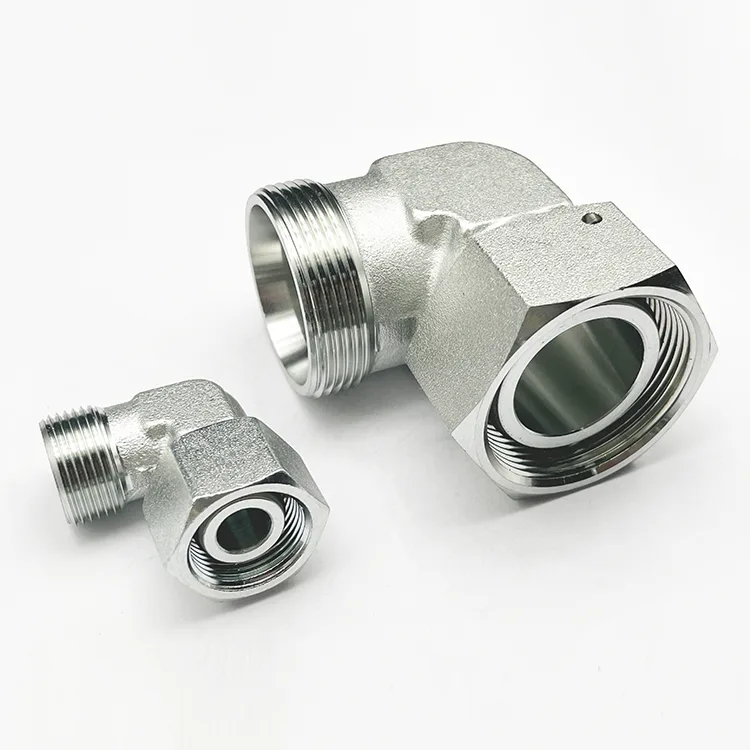
Space limitations: Consider assembly space restrictions and tube bending capabilities. Compact machinery may require elbow or compact configurations.
Environmental factors: Weather exposure, humidity, and whether the joint remains stationary or undergoes movement all affect sealing performance and material durability.
Standards and certifications: Verify compliance with international standards (DIN, ISO, CE), end-user specifications, required certifications, and parts availability in your region.
The best-fitting solution is not just about performance on paper—it must also work in your production environment:
Assembly method: Is the fitting installed in high-volume production, on-site assembly, industrial installation, or field maintenance? The required installation speed and tooling differ accordingly.
Leak-free technology: Look for fittings engineered for high reliability and easy operation with low total cost. Premium designs incorporate leak-free technology that prevents costly fluid loss and downtime.
Standardization: Prioritize standardized products that simplify procurement, spare parts inventory, and future system upgrades.
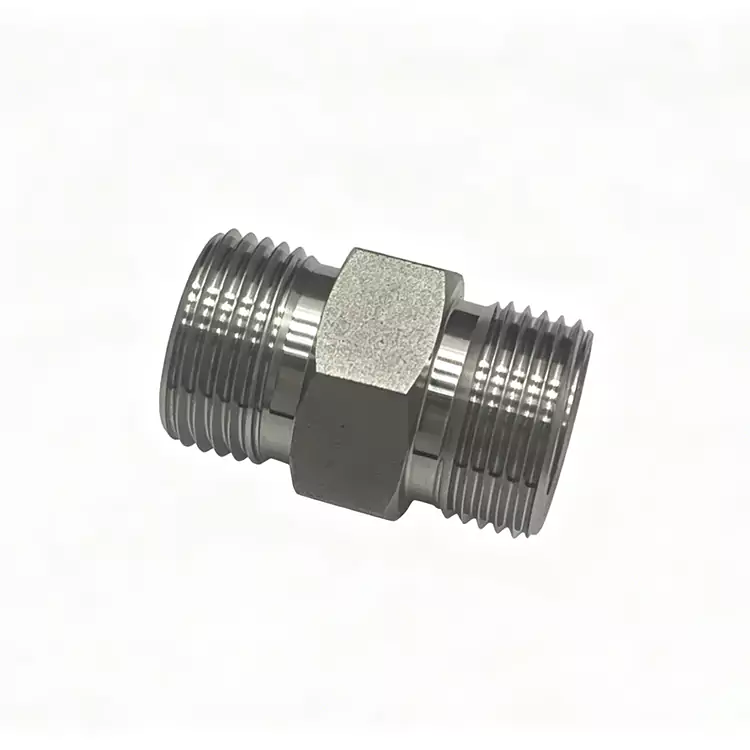
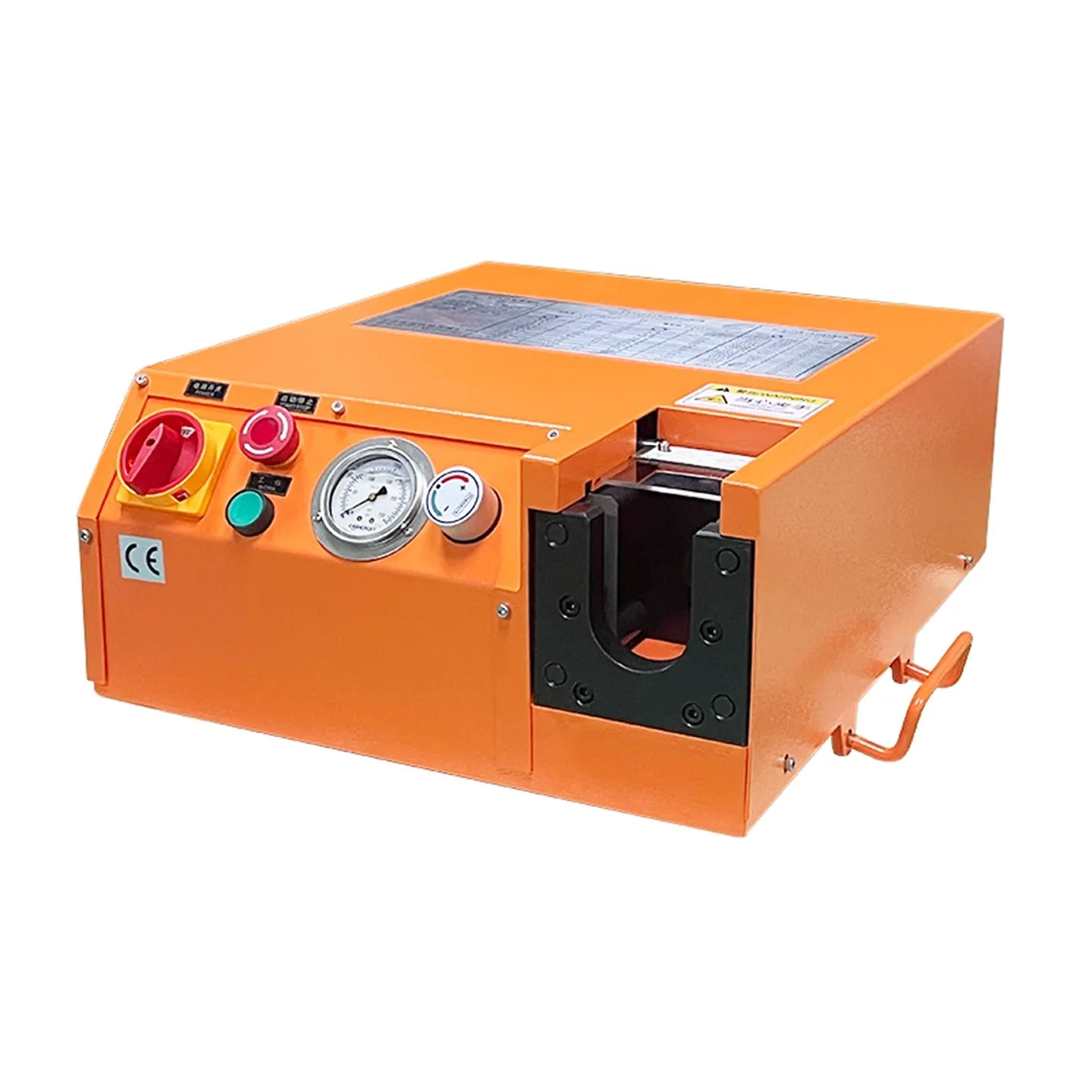
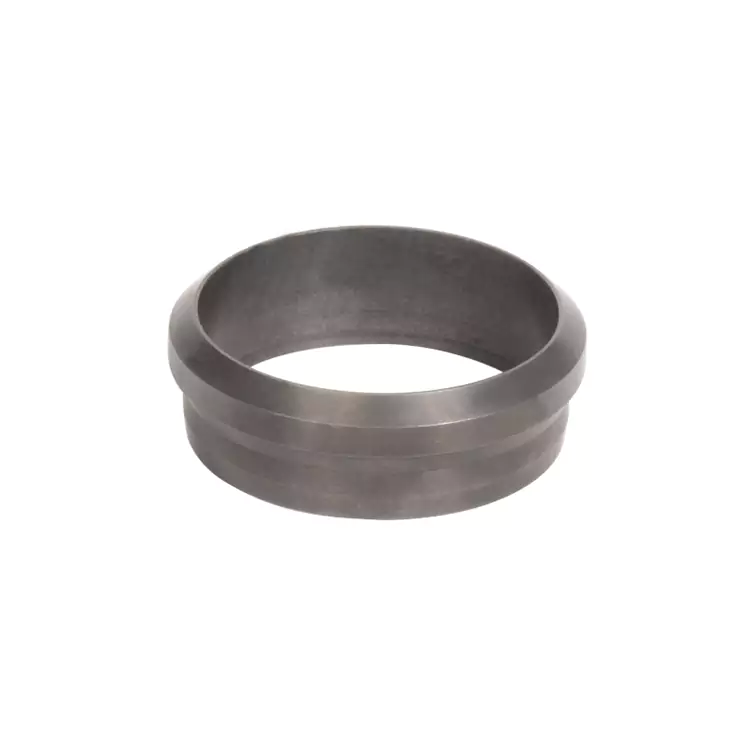
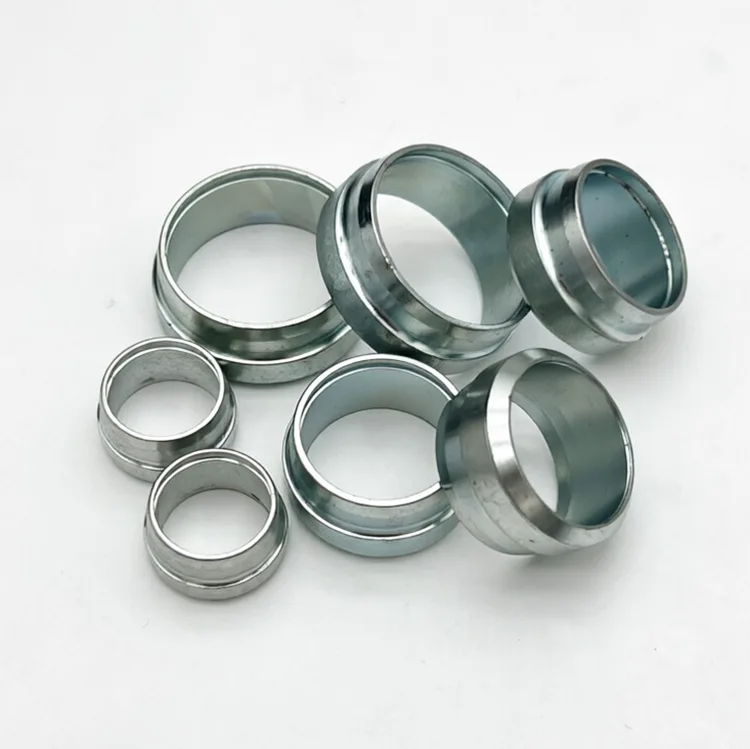
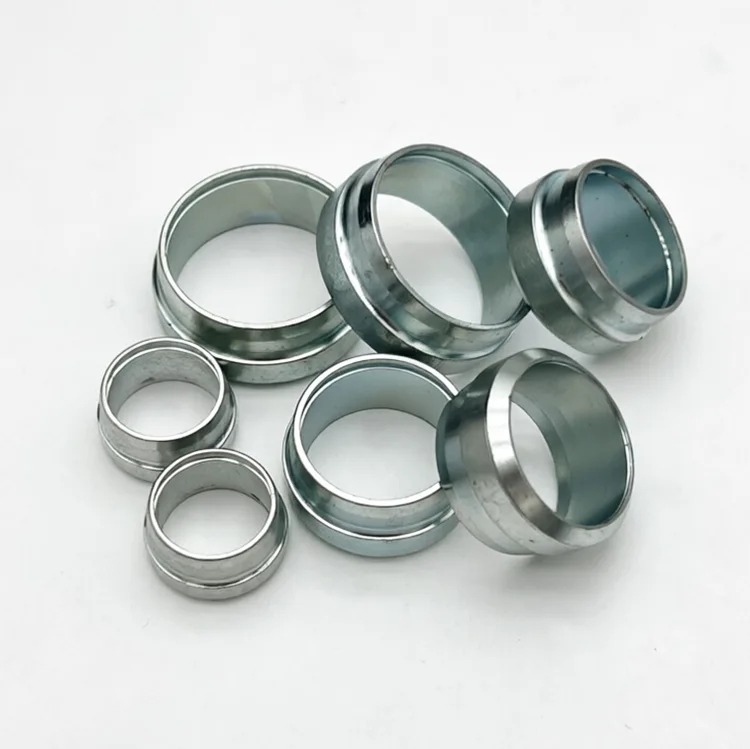
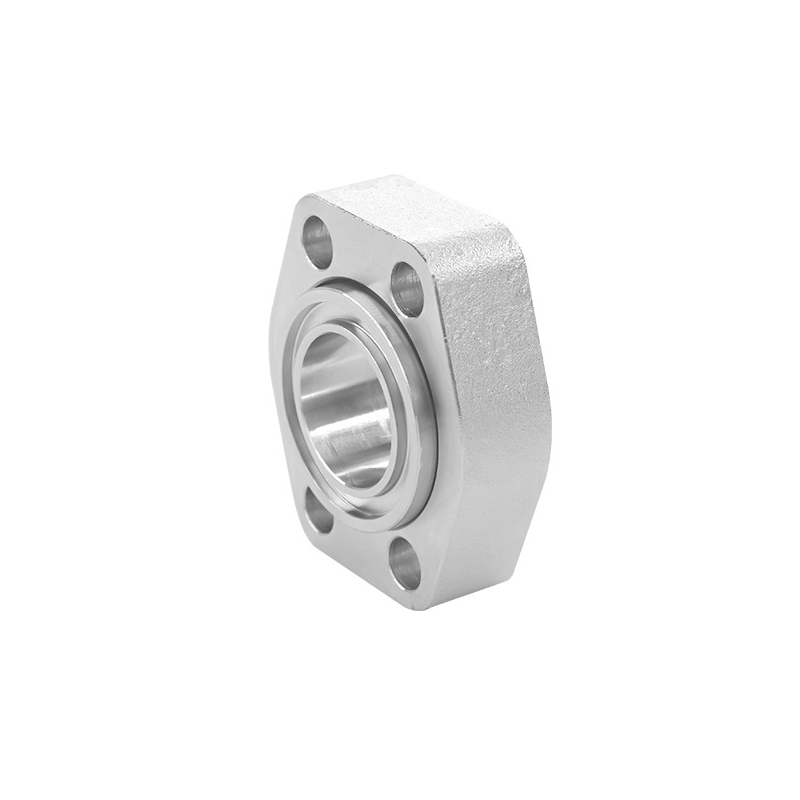
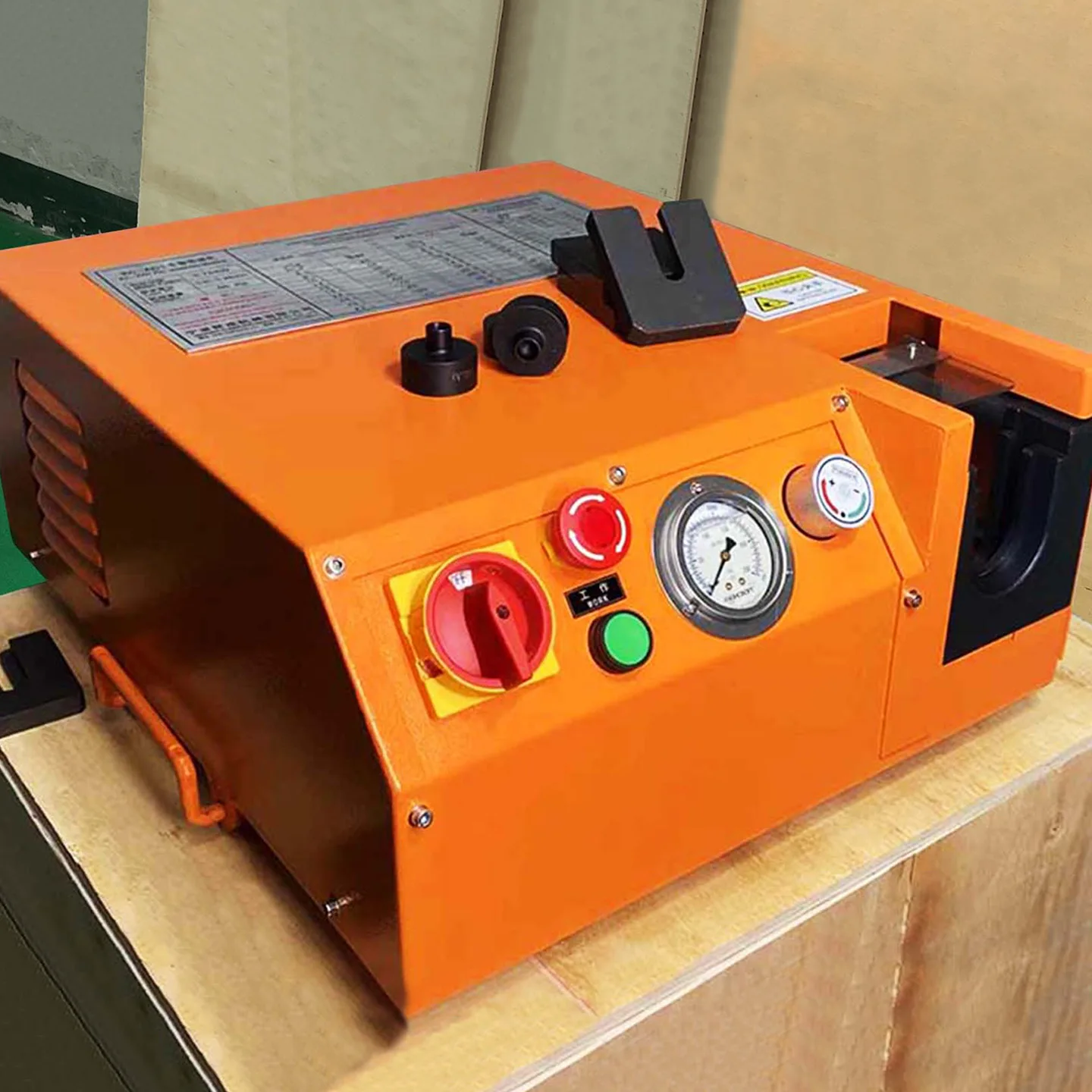
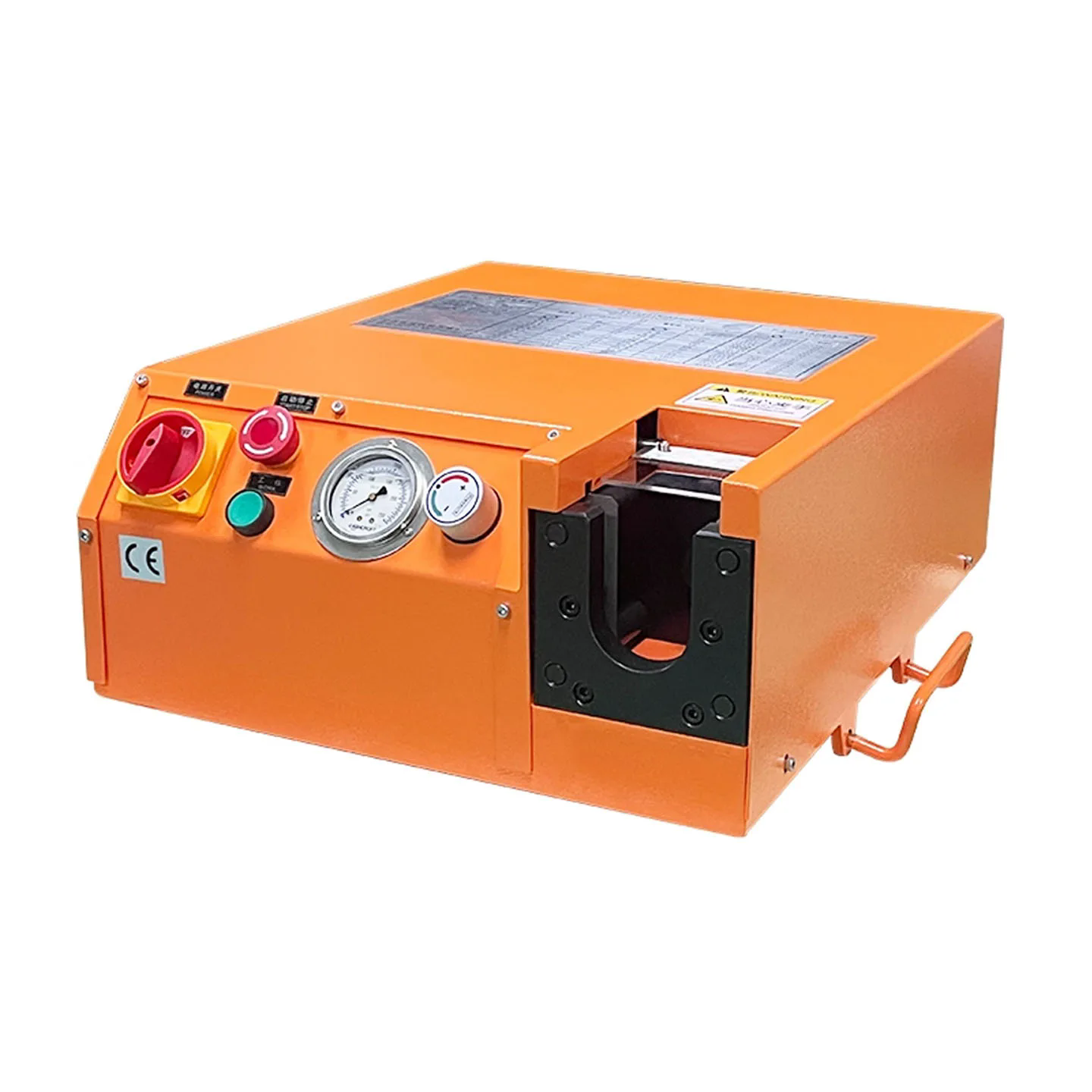
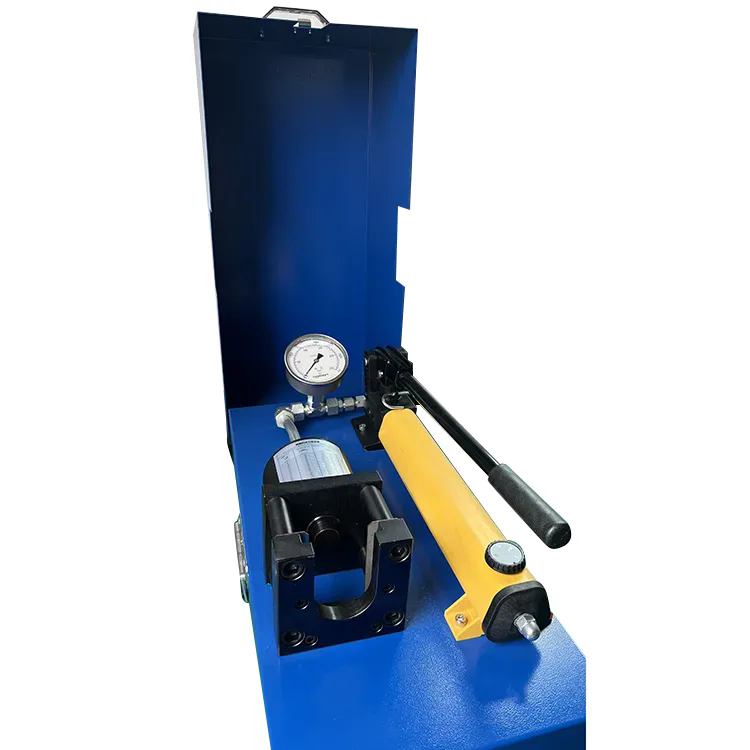
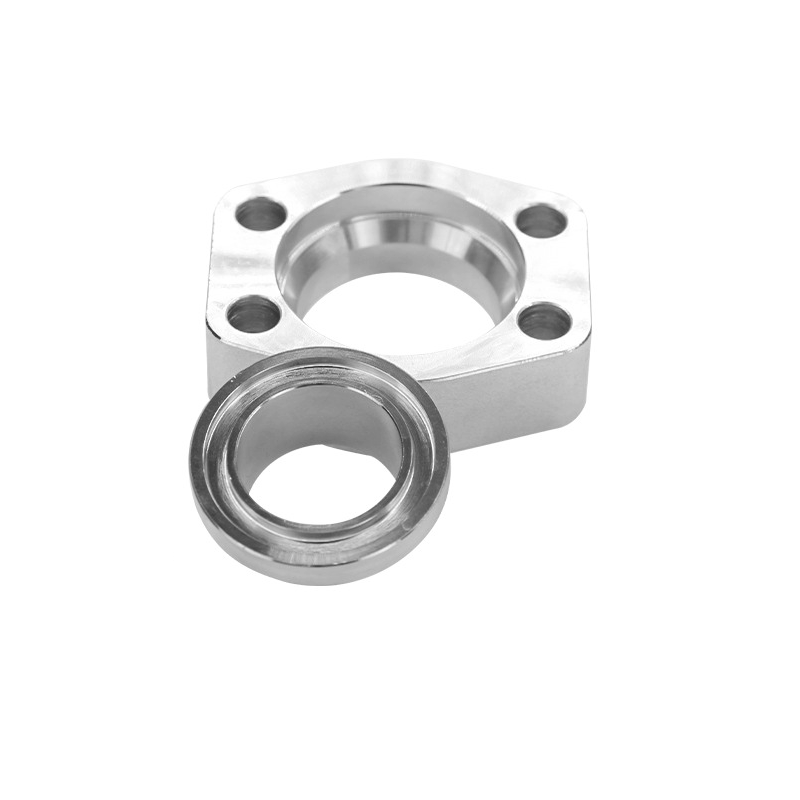
A well-chosen hydraulic tube fitting should deliver zero leakage, high reliability, easy installation, low total cost, and standardization. Manufacturers like XYOON (Ningbo XYOON Intelligent Manufacturing Co., Ltd.) offer a comprehensive range of hydraulic pipeline connectors—including ferrule fittings, EO2 functional nuts, and crimp hydraulic fittings—available in DIN, JIC, NPT, and BSP standards. Their crimp fittings feature multi-barb stems and thick seamless sleeves, delivering zero pull-out risk and over one million impulse cycles with permanent leak-tight connections. Both carbon steel and SS316L options are available, exported to over 35 countries with full crimp data provided.