
Article Summary:
Manual and electric cutting ring pre-assembly machines solve different production problems. The useful comparison starts with work location, tube and fitting compatibility, batch pattern, process control and accepted output.
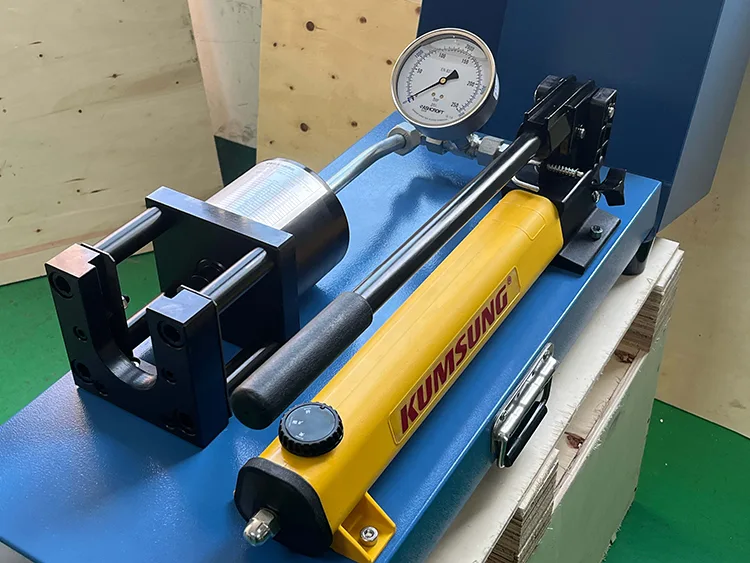
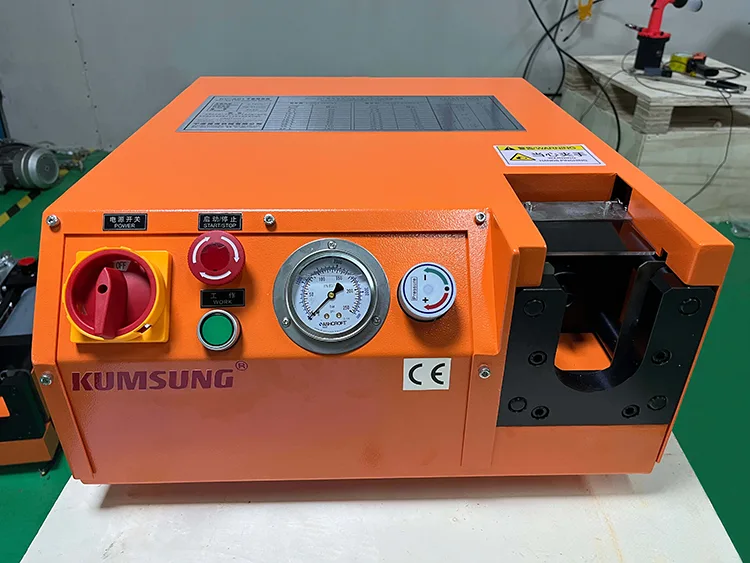
Choose a manual machine when the work follows the technician: field repairs, scattered jobs, uncertain power and modest batch sizes. Choose an electric machine when the work comes to a fixed station and repeatability, operator workload and output matter more than portability.
That rule is a useful starting point, not a purchase specification. The machine must still match the fitting system, tube size, wall thickness, material, assembly method and inspection requirement.
First, define what the machine must complete
Three processes are often grouped together in sales copy:
- direct assembly, where the ring is assembled in the fitting body;
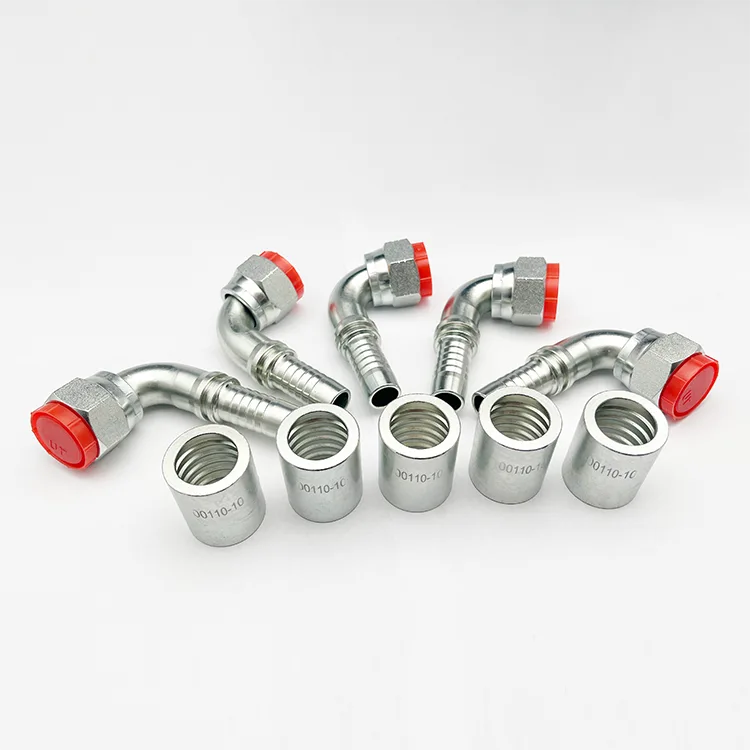
- pre-assembly, where the ring is partly set on the tube before final installation;
- final assembly, where machine-controlled work completes more or all of the ring-setting process.
A machine described as a pre-assembly unit may leave a specified final tightening step at installation. A final-assembly machine may use pressure and position control and require a different final movement. Some products combine cutting ring assembly with 37 degree flaring or another tube-forming operation.
Write the required process on the RFQ. Do not assume that "assembly machine" means the same thing to every supplier.
The practical comparison
| Decision factor | Manual hydraulic machine | Electric or electro-hydraulic machine |
|---|---|---|
| Best location | Field service, mobile repair, remote site | Fixed workshop or production cell |
| External power | Often not required during operation | Required; voltage and frequency must match the site |
| Portability | Usually the stronger option | Usually heavier and intended for a bench |
| Batch pattern | Occasional work, mixed small batches | Repeated batches and regular daily use |
| Operator effort | Hand pumping and manual handling increase with workload | Powered cycle reduces pumping effort |
| Setting control | Gauge, stop or manual setting depending on design | Pressure, stroke, position or program depending on design |
| Repeatability | Depends heavily on setting method, tool condition and operator procedure | Easier to standardize when the machine controls a defined cycle |
| Changeover | Can be simple, but tooling must still match size and series | May be faster for repeated recipes; verify tool recognition and setup checks |
| Maintenance focus | Hydraulic seals, pump, hose or integrated circuit, assembly tools | Hydraulic system, motor, electrical controls, sensors and assembly tools |
| Purchase case | Avoids paying for unused throughput and fixed utilities | Can reduce labor per accepted part when volume supports the investment |
The table compares formats, not guaranteed features. A well-designed manual unit with a readable pressure gauge can provide better control than a basic powered machine with vague settings. Ask how the unit establishes and verifies the assembly result.
Where a manual machine makes sense
Manual equipment is useful when crews need to work beside the machine being repaired, inside a vessel, along a long tube run, or at a site where dependable electricity is unavailable. It can also suit a small workshop that produces only a few assemblies at a time.
STAUFF's portable manual pre-assembly device is an example of this format. Its published design uses manual pressure setting, a gauge and no external power supply. The product page also separates light and heavy series ranges, which shows why an RFQ needs more than a maximum tube diameter.
Manual does not mean uncontrolled. The work instruction still needs:
- approved pressure or travel data by tube and fitting combination;
- the correct assembly stud and support plate;
- a method for keeping the tube seated and square;
- inspection criteria for the pre-assembled ring;
- a tool-wear check and maintenance schedule.
Manual machines become less attractive when a full shift includes frequent large-tube work, the operator must pump every cycle, or production records need automatic capture.
Where an electric machine earns its place
A powered machine is easier to justify when it sits in a dedicated cell and processes repeated work. It can shorten the physical cycle, reduce hand-pumping effort and make a controlled setting easier to repeat across operators.
Some workshop machines add pressure and position control, tool identification, cycle monitoring or automatic fault detection. STAUFF's workshop cutting ring assembly equipment is one example of a higher-control design. Those functions are not standard on every electric machine, so list each required control separately in the inquiry.
An electric machine also creates new dependencies:
- correct voltage, frequency and plug or hard-wiring arrangement;
- electrical and hydraulic maintenance capability;
- sensor and control-component availability;
- a safe, stable workbench and material support;
- a plan for downtime and critical spares.
Buying power without planning the station can shift the bottleneck. If cut tubes arrive with burrs, if long pieces are poorly supported, or if the operator spends most of the shift searching for tooling, a faster press will not fix the cell.
A published XYOON example
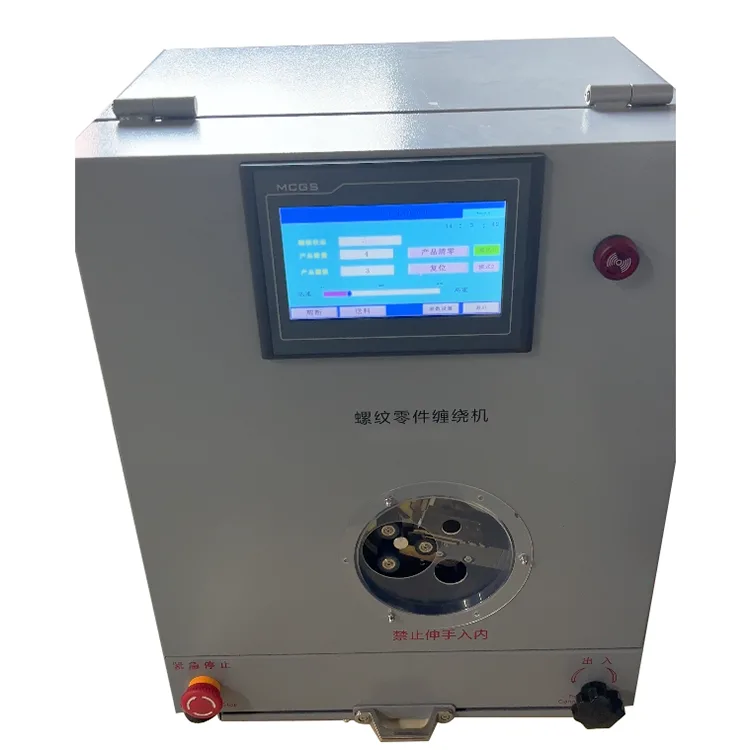
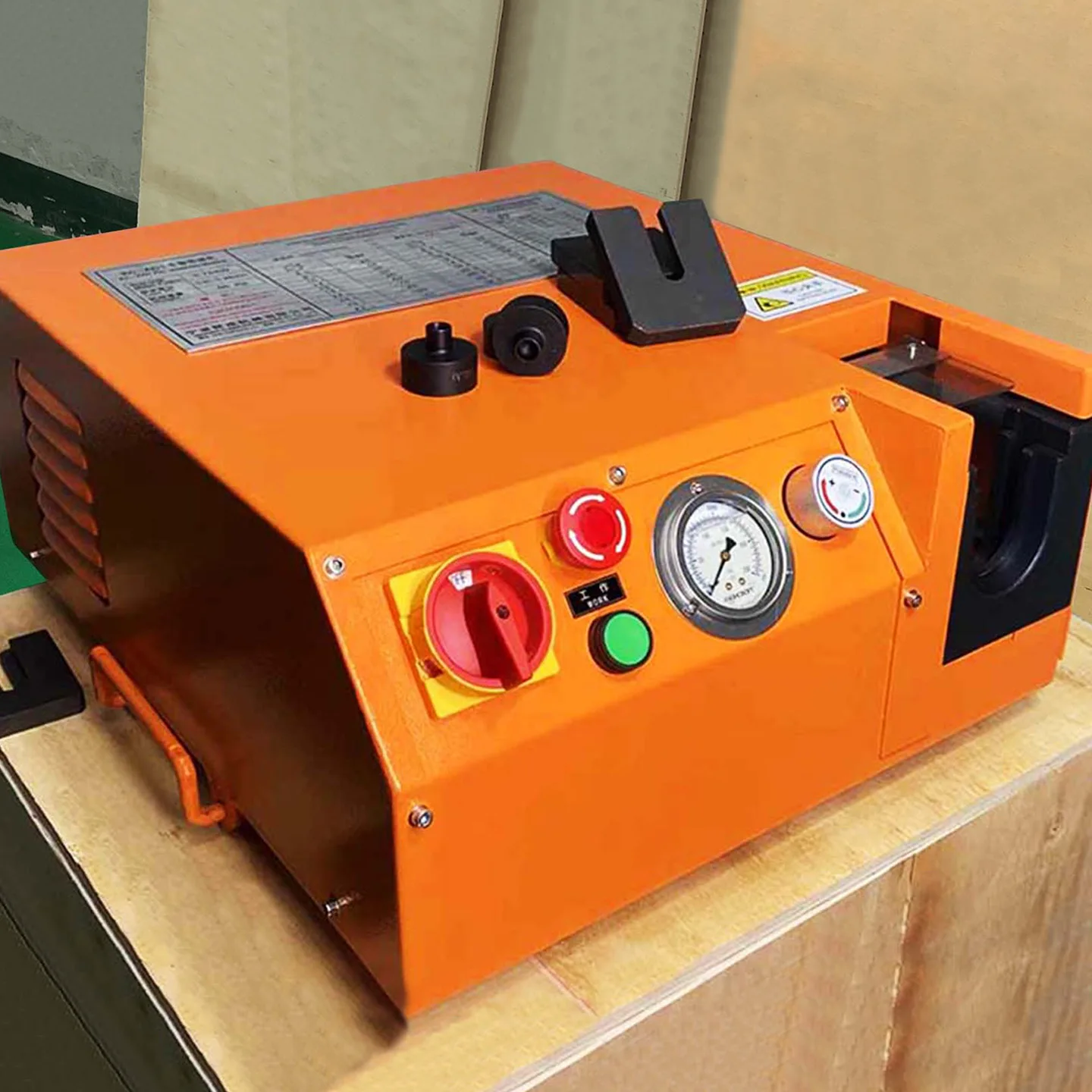
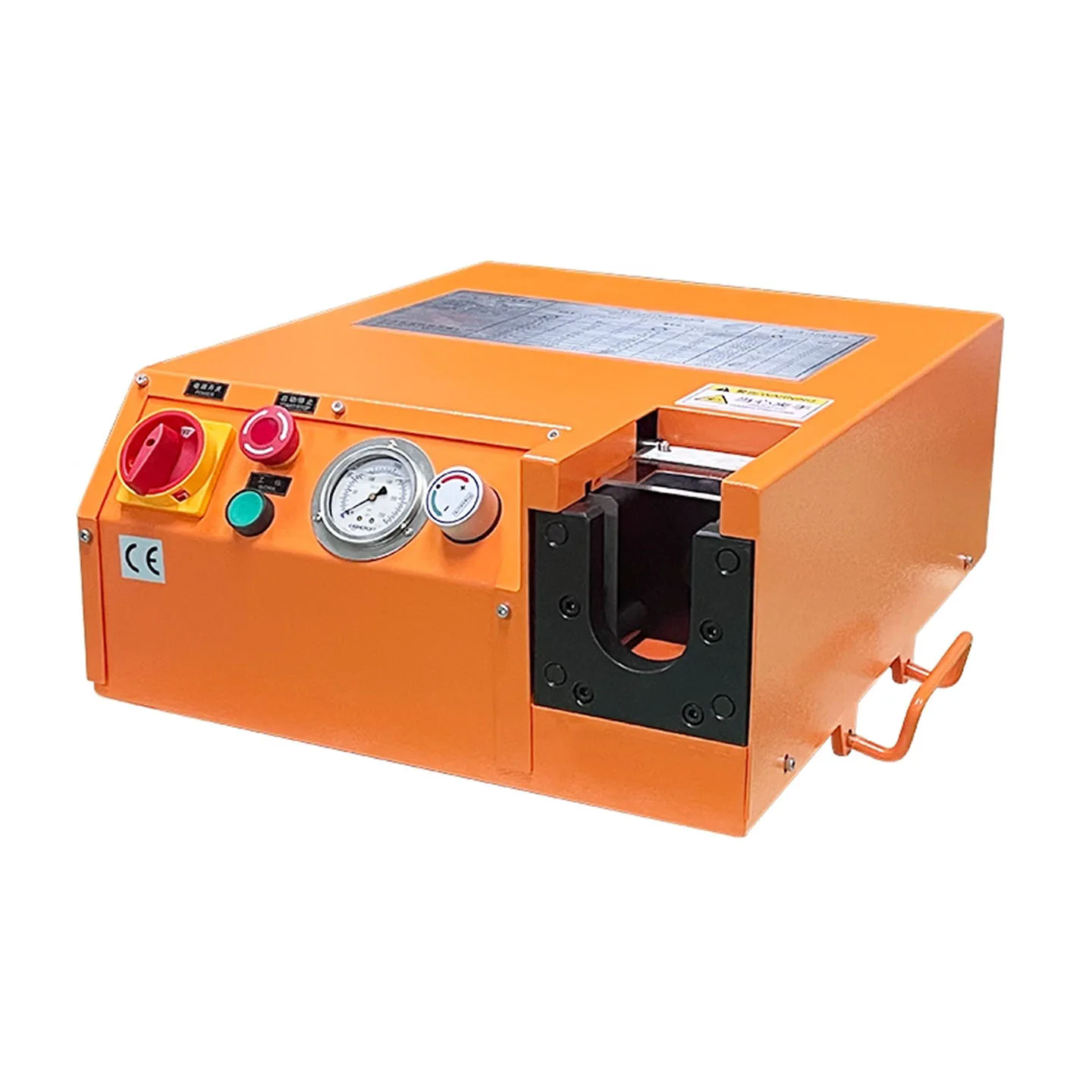
XYOON currently lists two combined pre-assembly and flaring products:
| Published specification | KC-A02 manual model | KC-A01 electric model |
|---|---|---|
| Product page | Manual cutting ring pre-assembly flaring machine | Electric cutting ring pre-assembly flaring machine |
| Published tube range | 6 mm to 42 mm | 6 mm to 42 mm |
| Published drive | Integrated manual hydraulic pump | Electro-hydraulic |
| Published power | No external power during operation | 380 V, 50 Hz |
| Published weight | 36 kg | 65 kg |
| Published functions | Cutting ring pre-assembly and flaring | Cutting ring pre-assembly and flaring |
These are company-published specifications, not independent test results. Before ordering, confirm the exact tube material and wall range, light and heavy series coverage, fitting and tool compatibility, die list, local power option, cycle method and sample-acceptance criteria. If the equipment will process a fitting brand other than XYOON, obtain written compatibility confirmation from the relevant component and equipment suppliers.
Estimate capacity with accepted parts, not brochure speed
Run a timed sample that includes the whole task:
- select and install the tooling;
- verify the setting;
- load the tube, nut and ring;
- complete the machine cycle;
- unload and inspect the result;
- record or segregate the part;
- change size when the real batch mix requires it.
Calculate observed good output as:
accepted assemblies / elapsed test hours = accepted assemblies per hour
Then apply the workshop's realistic utilization allowance for breaks, material handling, changeovers and maintenance. Do not compare a supplier's pressing time with your current end-to-end production time. They measure different things.
For a useful trial, include the smallest and largest tube, the hardest material combination, a thin-wall case, a normal production batch, and at least one changeover.
Seven questions that usually decide the purchase
1. Where will the work happen?
Choose for the real environment. A 36 kg machine may be movable, but it is not a hand tool. Check carrying, anchoring and tube-support needs.
2. How many accepted assemblies are needed per shift?
Use actual order history and batch mix. A high annual total made in two campaigns creates a different need from steady daily production.
3. Which tube and fitting combinations are approved?
List outside diameter, wall thickness, material, fitting series, cutting ring and manufacturer. A statement such as "up to 42 mm" does not answer compatibility.
4. How is the setting controlled?
Ask whether the machine controls pressure, stroke, position or a combination. Ask how the operator selects the value and how an incorrect setup is detected.
5. How is the result inspected?
The supplier should identify the visual criteria, gauge, sample or measurement method. The DIN 2353 assembly and inspection guide explains the broader process.
6. What changes during a size change?
Request a demonstrated changeover. Record every die, stud, support plate, sleeve and setting that changes. Check how the tooling is labeled and stored.
7. What happens when the machine stops?
List critical seals, cutters, sensors, switches, hydraulic parts and electrical components. Agree on diagnostic support, manuals, warranty scope and spare-part lead time in the purchase contract.
A simple selection rule
| Your situation | Better starting point |
|---|---|
| Remote repair with no reliable power | Manual hydraulic |
| Small mixed batches with long idle periods | Manual hydraulic |
| Regular workshop production with trained operators | Electric or electro-hydraulic |
| Repeated large batches where traceability matters | Electric model with verified process controls |
| One machine must also flare tube ends | Compare combined-function models and test both operations |
| Many fitting brands and series | Resolve tooling approval first; machine format comes second |
There is no automatic winner. A manual machine placed at the repair site may remove hours of tube handling. An electric machine in a busy workshop may reduce effort and make accepted output more predictable. The best choice is the one that controls the required process at the lowest cost per accepted assembly.
RFQ checklist
Send the following with the inquiry:
- fitting system, manufacturer, series and sample components;
- tube material, outside diameter and wall thickness matrix;
- pre-assembly, final assembly and flaring requirements;
- expected batches, pieces per shift and changeover frequency;
- field or workshop environment;
- voltage, frequency and other utilities;
- tooling, gauges and support sleeves required;
- acceptance trial and inspection criteria;
- operator-training language and documentation needs;
- warranty, remote support and critical spare-parts list.
XYOON's cutting ring pre-assembly machine range contains both formats. A useful quotation should return a model, approved processing matrix, tooling list, utilities, sample-trial plan and the assumptions behind the recommendation.
Need help matching a tube range, fitting series and batch requirement to the right equipment? Contact XYOON with the tube OD, wall thickness, material and expected output.