Update the latest industry trends, product maintenance knowledge, pipeline processing technology and factory dynamic information of hydraulic tube processing machines and hydraulic pipeline fittings.
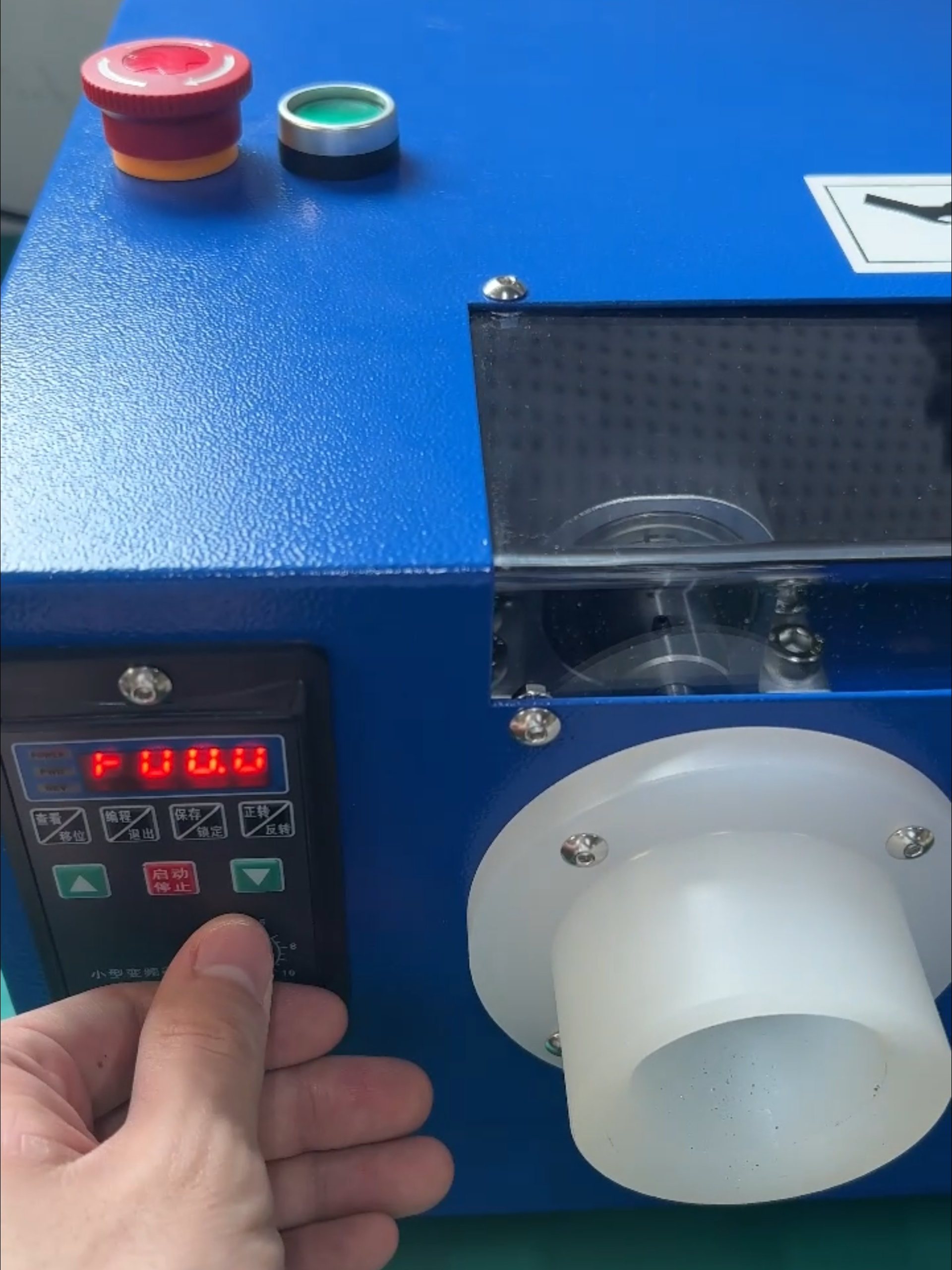
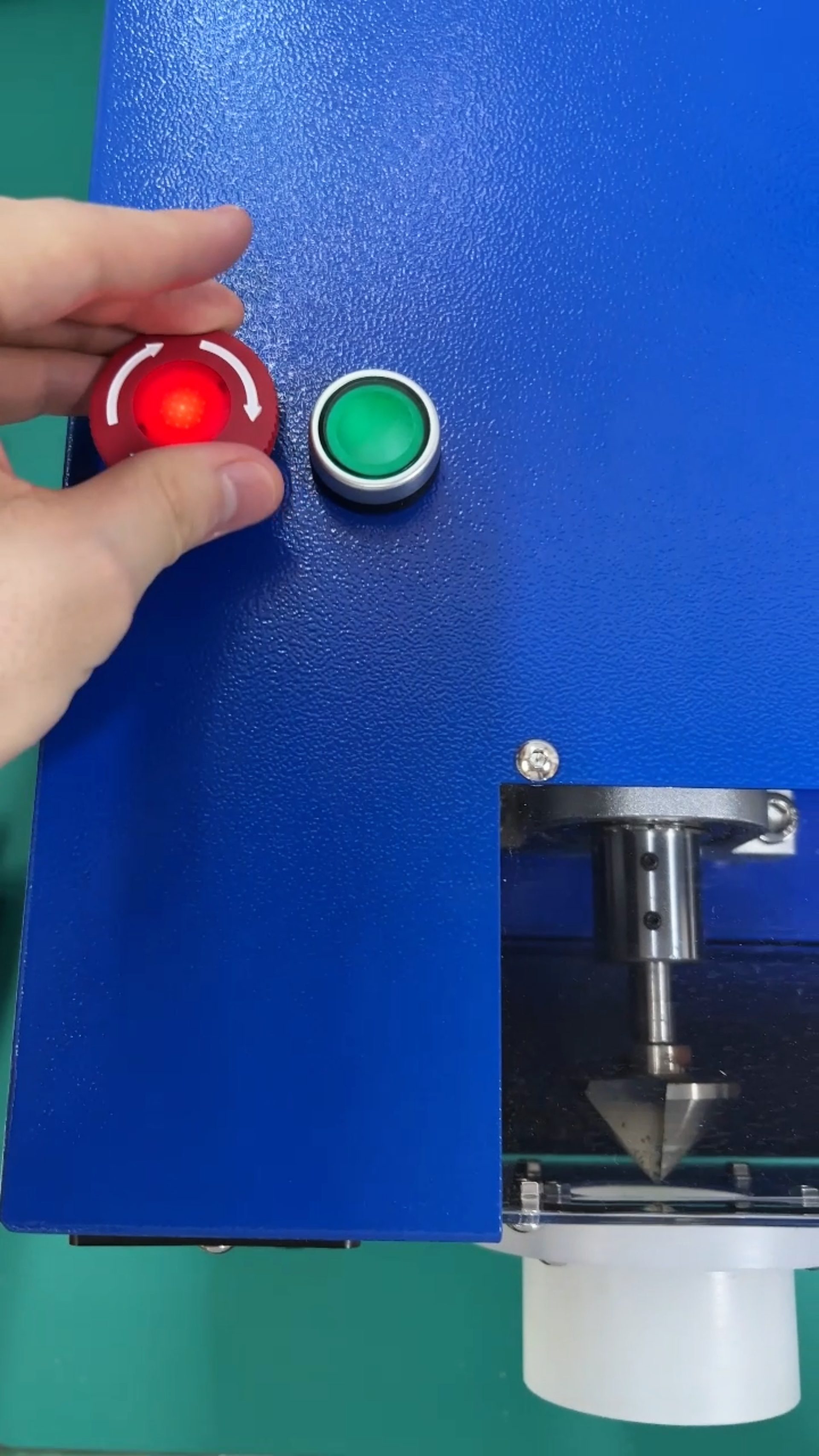
In hydraulic and pneumatic systems, the quality of tube fitting connections is often overlooked. One of the most easily neglected yet critical steps in tube preparation is deburring the tube end. After cutting steel tubes, sharp burrs, flash, and uneven surfaces inevitably remain on the inner and outer walls. If left untreated, these defects can damage seals, cause valve spools to stick, and ultimately lead to system failure. XYOON KC-C01 steel tube deburring machine was built for exactly this purpose — providing a complete tube-end preparation solution that ensures connection reliability right from the first step.
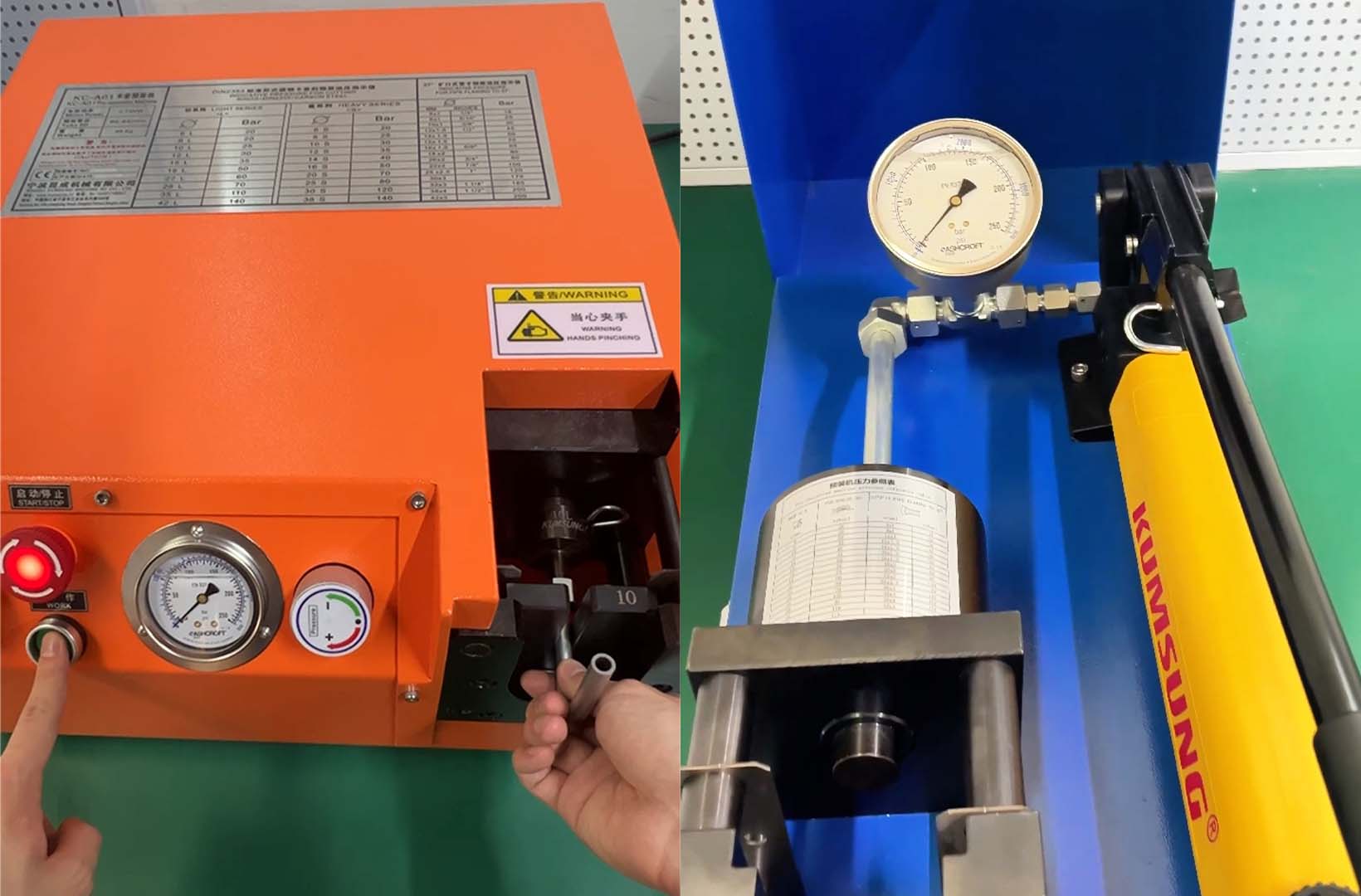
In hydraulic and pneumatic systems, the reliability of a tube fitting connection depends heavily on the quality of ferrule pre-assembly. Whether you work in a fixed workshop or perform field maintenance, choosing the right pre-assembly tool is critical. XYOON offers two distinctly different solutions: the KC-A01 Electric Cutting Ring Pre-assembly Flaring Machine and the KC-A02 Manual Cutting Ring Pre-assembly Flaring Machine. Both process steel tubes with outside diameters from 6 mm to 42 mm, yet they serve different operating environments and user needs. Understanding each one's strengths helps you make an informed decision that maximizes efficiency, quality, and cost-effectiveness.
Most Common Questions After Receiving Your Electric Cutting Ring Pre-assembly Flaring Machine — and How to Fix Them
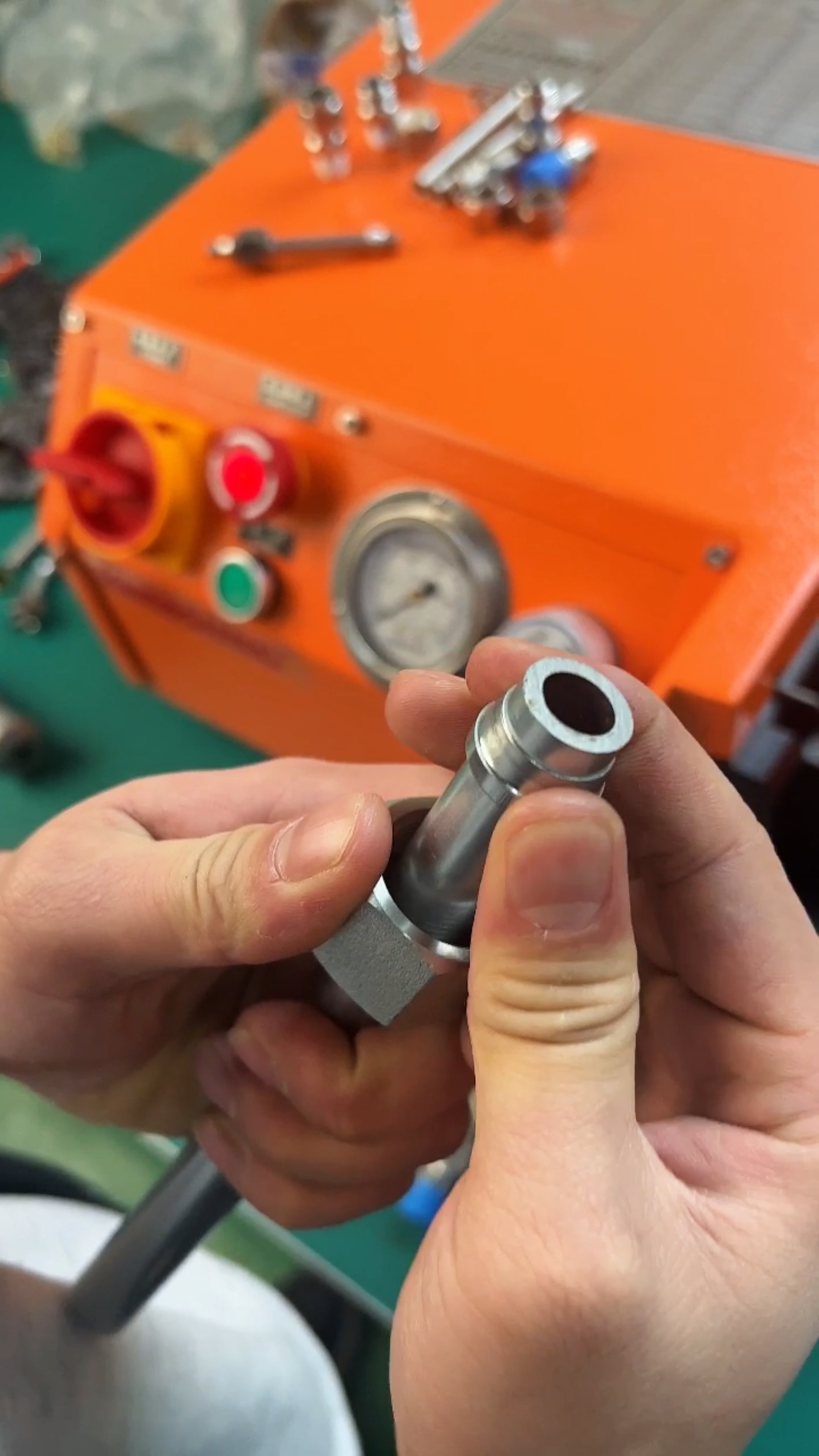
Why won't the ferrule grip the tube? Why does the die wear out after just one use? Why does it still leak even though it looks properly assembled? These questions may seem trivial, but they directly determine whether pre-assembly succeeds and whether the seal is reliable.
Most common issues cluster into five key areas: operating procedure, die selection, pressure setting, pre-assembly inspection, and daily maintenance. Below we break down each dimension so you can troubleshoot and resolve problems along the shortest path.
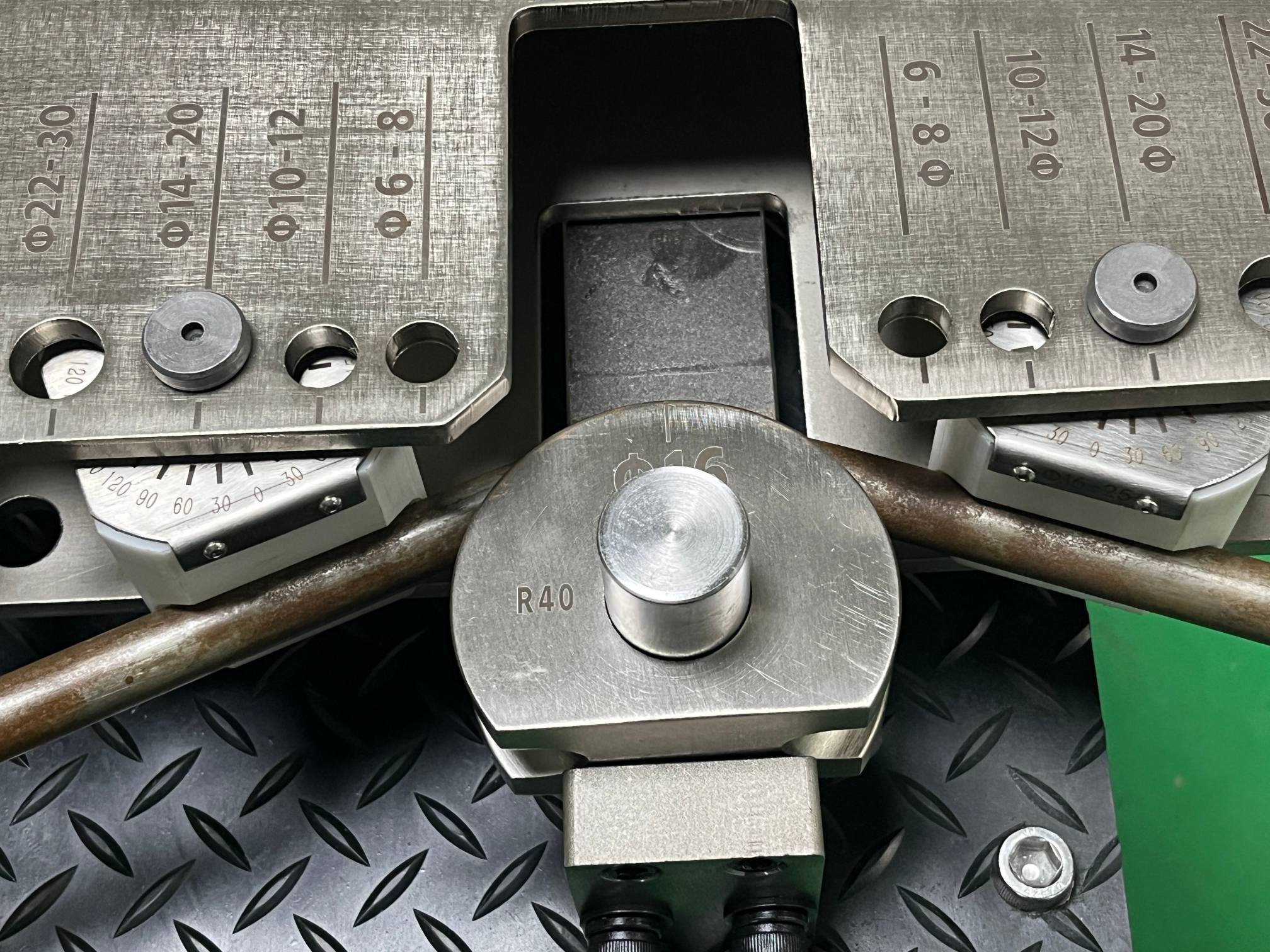
In the demanding world of hydraulic and pneumatic systems, the quality of every bent tube directly affects the reliability and safety of the entire system. Traditional manual pipe bending struggles with inconsistent accuracy, serious material waste, and time-consuming rework. For years manufacturers have fought the same battles: inaccurate bend angles, tube deformation such as flattening or collapse, and the inability to efficiently reproduce complex bent shapes. These issues raise production costs and undermine the integrity of the whole fluid system.
The memory pipe bending machine was built to solve exactly these pain points. XYOON Machinery has developed a range of compact, mobile CNC pipe bending machines—the KC-K01 and KC-K02—to transform how metal tubes and solid round bars are fabricated. Below we explain the real problems our memory pipe bending machine solves and why it has become essential on modern shop floors and production lines.
Machine capacity determines whether an operation is feasible, but the drawing and measured first piece decide whether the part can be released. This guide builds a traceable inspection path through cutting, deburring, bending and connection preparation.
Cutting, welding and stamping always leave burrs on tube ends. Sharp edges raise assembly force, damage seals, and hide leakage risks inside high-pressure lines — which is why the steel pipe deburring machine is now standard equipment wherever metal tubing is processed in volume.
We use cookies to offer you a better browsing experience, analyze site traffic and personalize content. By using this site, you agree to our use of cookies. Privacy Policy


 2026-10-16
 2026-10-13
 2026-10-10
 2026-10-08
 2026-09-30
 2026-09-24