
In the demanding world of hydraulic and pneumatic systems, the quality of every bent tube directly affects the reliability and safety of the entire system. Traditional manual pipe bending struggles with inconsistent accuracy, serious material waste, and time-consuming rework. For years manufacturers have fought the same battles: inaccurate bend angles, tube deformation such as flattening or collapse, and the inability to efficiently reproduce complex bent shapes. These issues raise production costs and undermine the integrity of the whole fluid system.
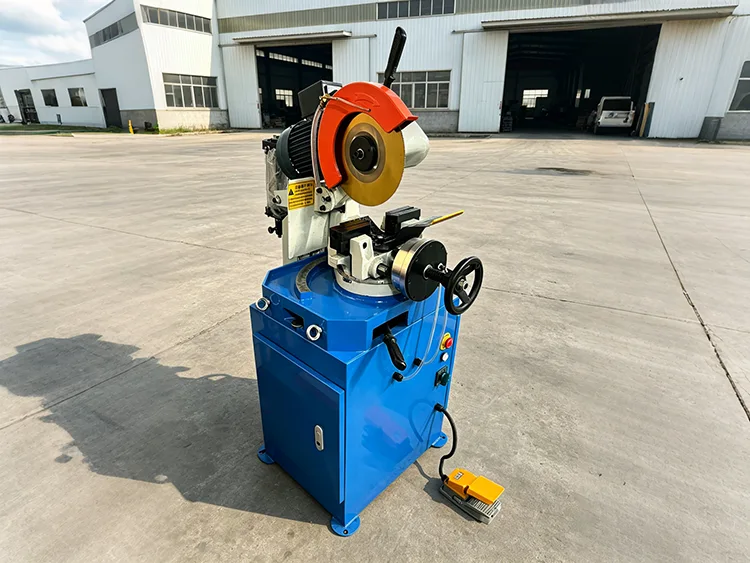
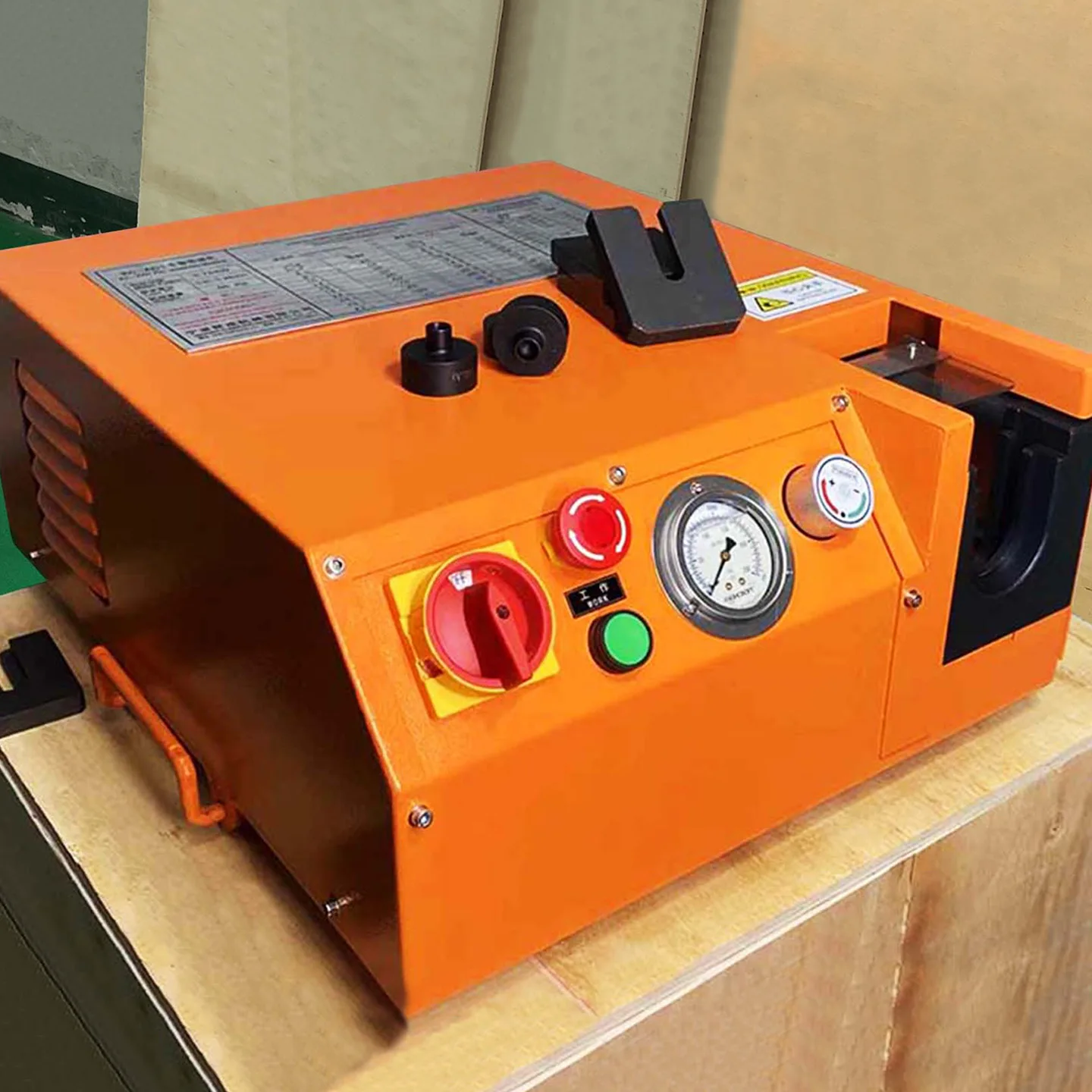
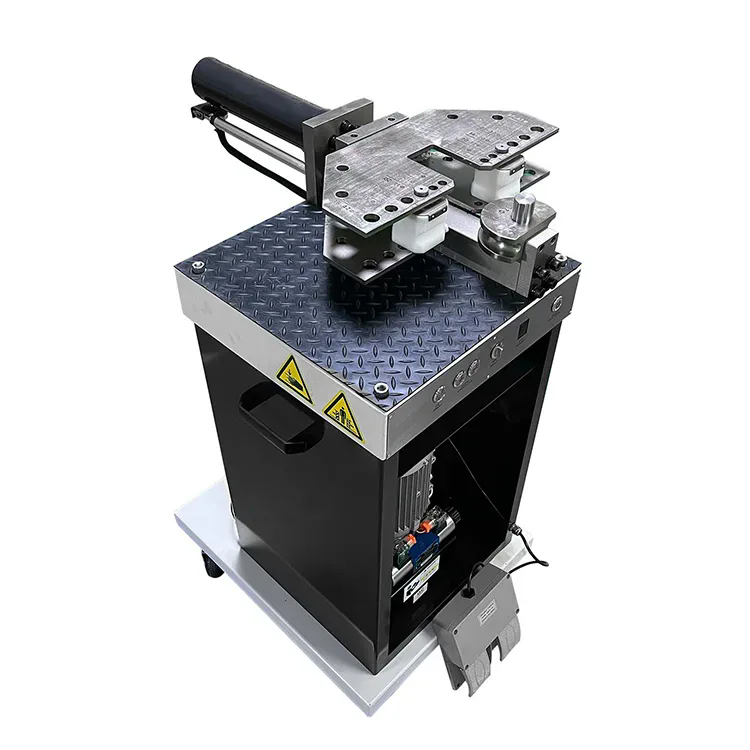
The memory pipe bending machine was built to solve exactly these pain points. Kuncheng Machinery has developed a range of compact, mobile CNC pipe bending machines—the KC-K01 and KC-K02—to transform how metal tubes and solid round bars are fabricated. Below we explain the real problems our memory pipe bending machine solves and why it has become essential on modern shop floors and production lines.
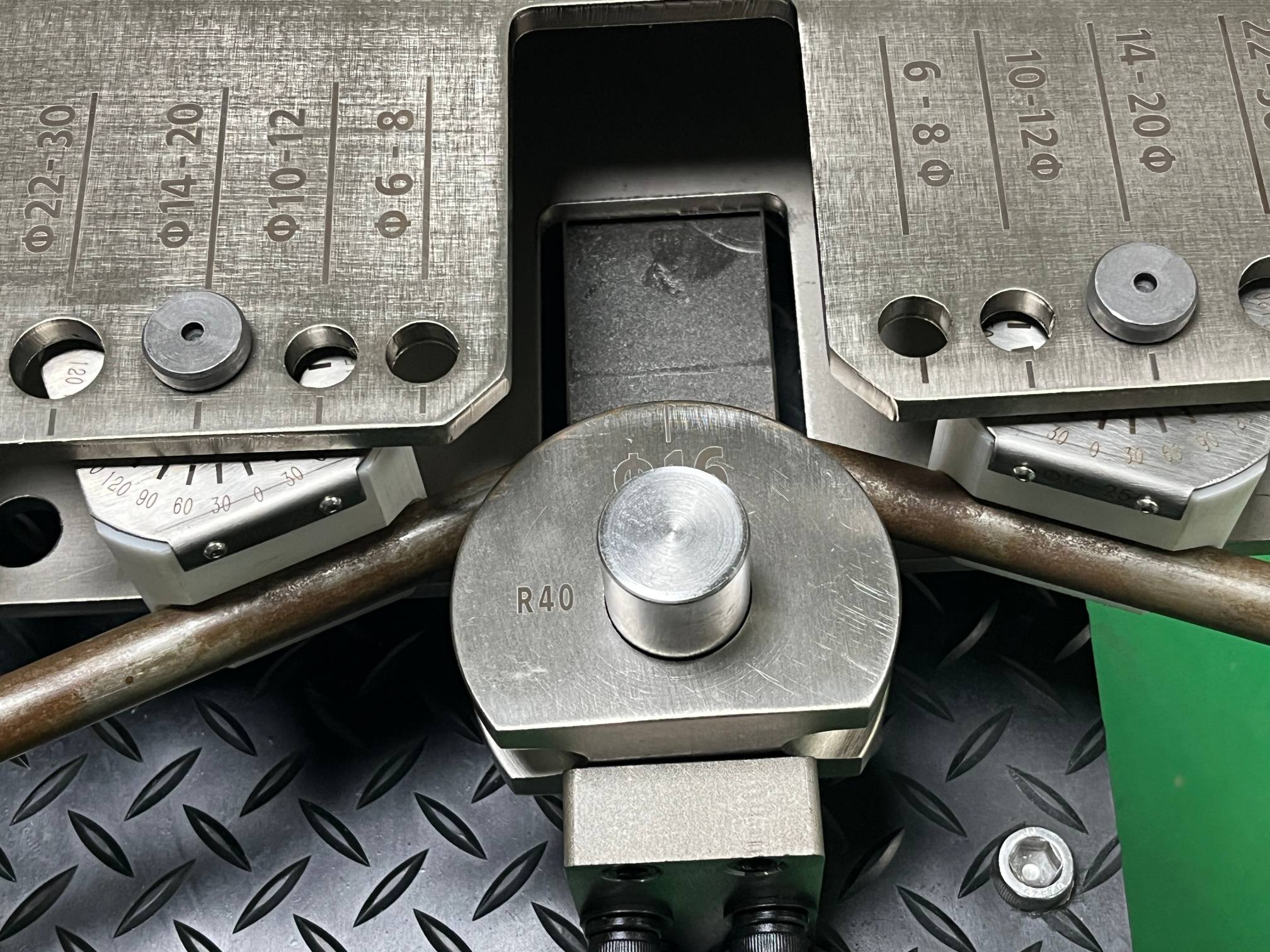
Producing consistent, repeatable bends is one of the biggest challenges in tube fabrication. With manual or semi-automatic benders, every bend is a gamble. Operators depend entirely on experience and repeated measuring, and the risk of error climbs sharply when one tube needs several bends at different angles. A single miscalculation can scrap the part, wasting expensive material and valuable time.
Our memory pipe bending machine removes the guesswork with intelligent angle memory. The operator "teaches" the machine a specific angle. To set a 90° bend, for example, the operator bends the tube to the target angle, presses the memory button, and the angle is saved instantly to a channel (KC-K01 supports channels 1–9; the KC-K02 supports more).
The angle compensation feature takes precision further. After the first memory, the machine automatically pushes the tube to the memorized position. The operator checks the fit: if the tube is too loose, the angle is slightly small, so they press "+" to compensate; if it is too tight, the angle is slightly large, so they press "−" to correct it. The result is an absolutely accurate final bend angle, virtually eliminating scrap caused by angle errors. Precise, repeatable control is the core advantage of a memory pipe bending machine.
During bending—especially with thin-wall or stainless steel tubing—material easily deforms. Common defects include flattening on the inside of the bend, wrinkling, or collapse. These weak points restrict fluid flow and cause premature failure under pressure. Conventional methods often need complex, costly mandrel tooling just to partly prevent deformation.
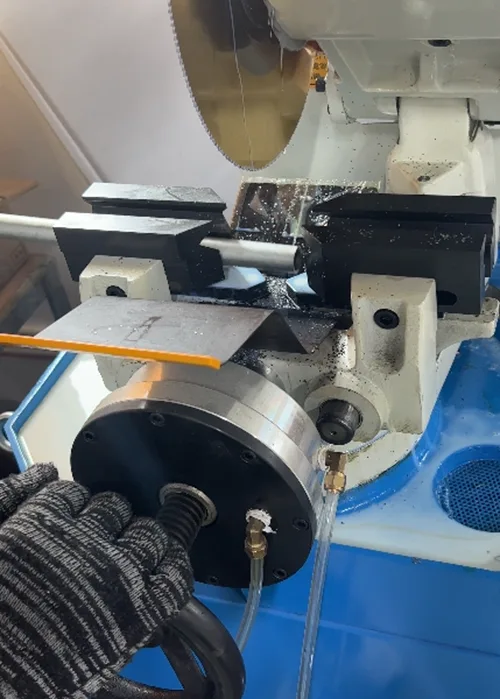
The Kuncheng memory pipe bending machine combines dedicated tooling with strong hydraulic power. It uses a three-piece die system: an integrated pressure die, an integrated clamp die, and a form die.
The integrated pressure die delivers smooth, controlled axial thrust, pushing the tube into the bend zone. The integrated clamp die holds the tube firmly, preventing unwanted rotation or slip during bending. The form die supports the bent section so the tube follows the correct radius without collapsing.
Driven by a reliable hydraulic system, this coordinated motion keeps the tube round and structurally sound throughout the process. The machine works with carbon steel, copper, and stainless steel, covering a bending diameter range of 6–42 mm with wall thickness up to 3 mm—delivering high-quality bends every time.
In fast-paced production, time is money. Manually setting up, measuring, and re-checking each bend is slow. Training skilled operators for complex bends is a major investment. Inability to switch quickly between different bend angles for different parts creates bottlenecks and lowers capacity.
Our memory pipe bending machine is engineered for efficiency. It offers two modes: a foot-pedal mode for simple single bends, and a memory mode for batch production.
In memory mode, operators store up to 9 different angles in separate channels. To make a part, they select the channel, insert a new tube, and press the left foot pedal. The machine automatically pushes the tube to the exact memorized angle and stops. The process is fast and needs minimal skill. The intuitive panel—with channel display and memory buttons—makes operation straightforward. Setup time drops, throughput rises, and the skill barrier falls, directly cutting labor cost and inefficiency.
A Kuncheng memory pipe bending machine is more than a tool—it is a complete answer to the toughest problems in tube fabrication. By fixing inconsistent accuracy, material deformation, and low efficiency, it helps manufacturers build better components, waste less, and raise margins. Whether you are in automotive, aerospace, construction, or general industry, a Kuncheng CNC pipe bender is a strategic step toward smarter, more reliable, and more efficient production.
-