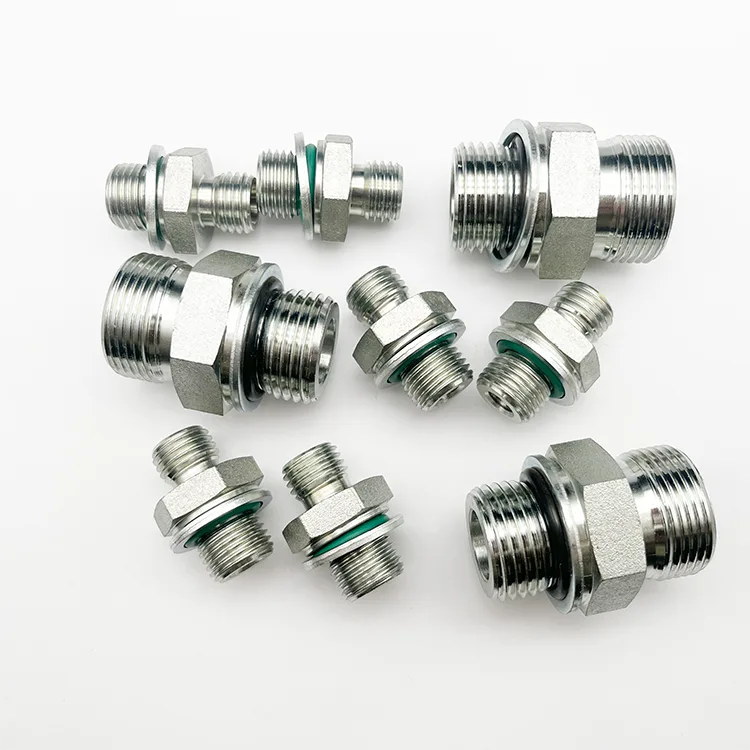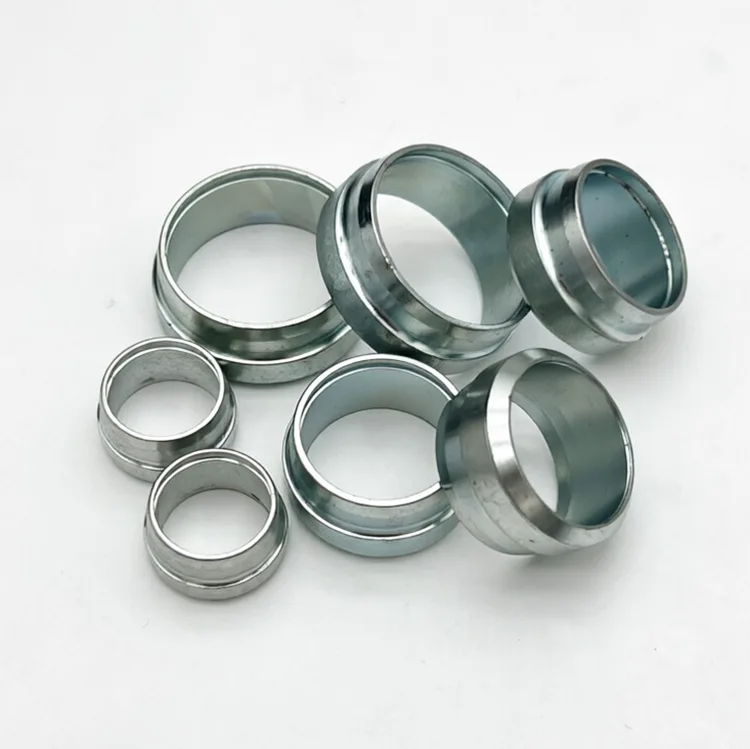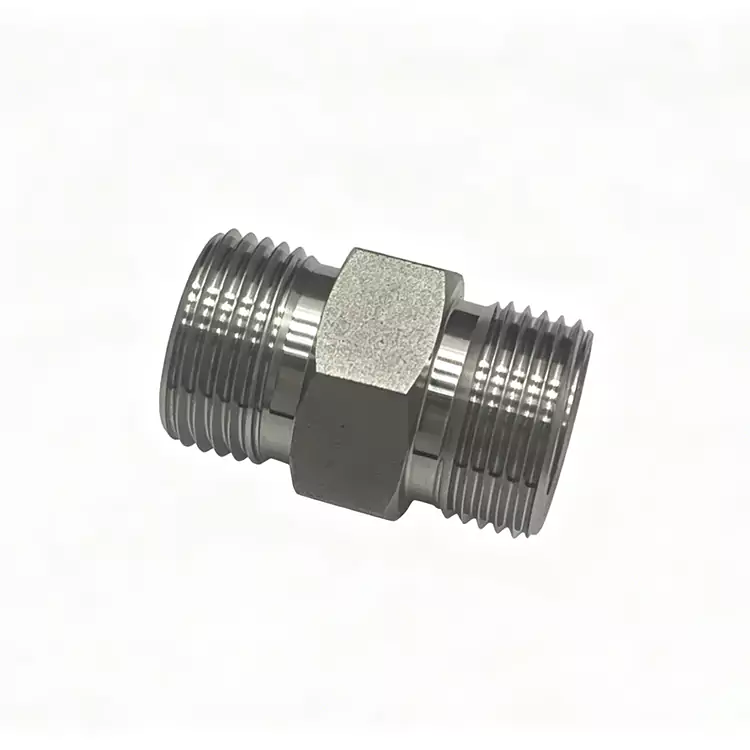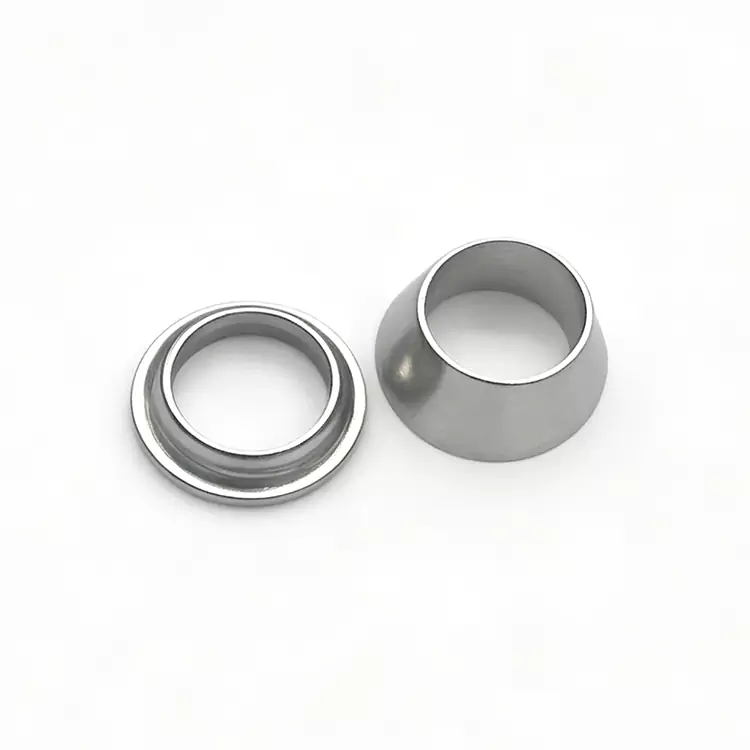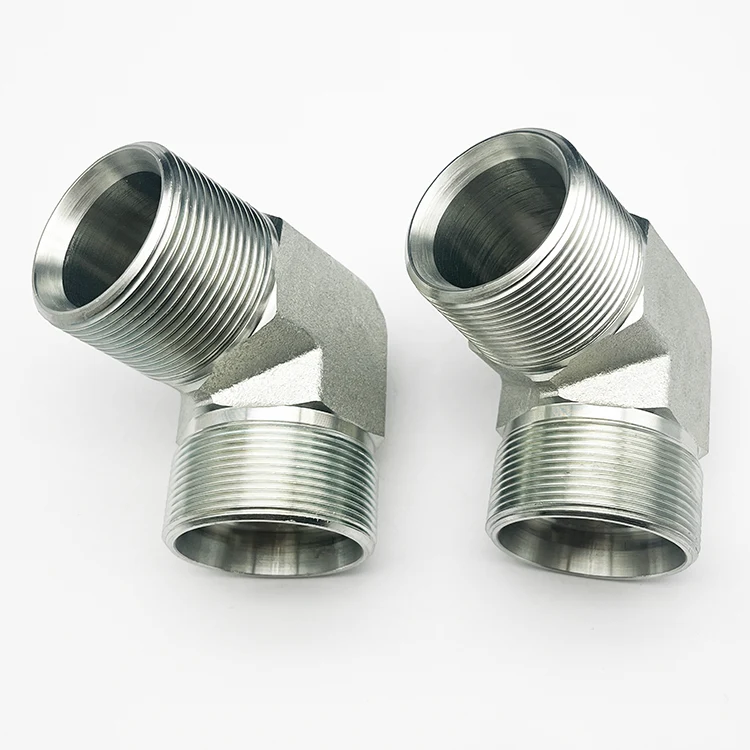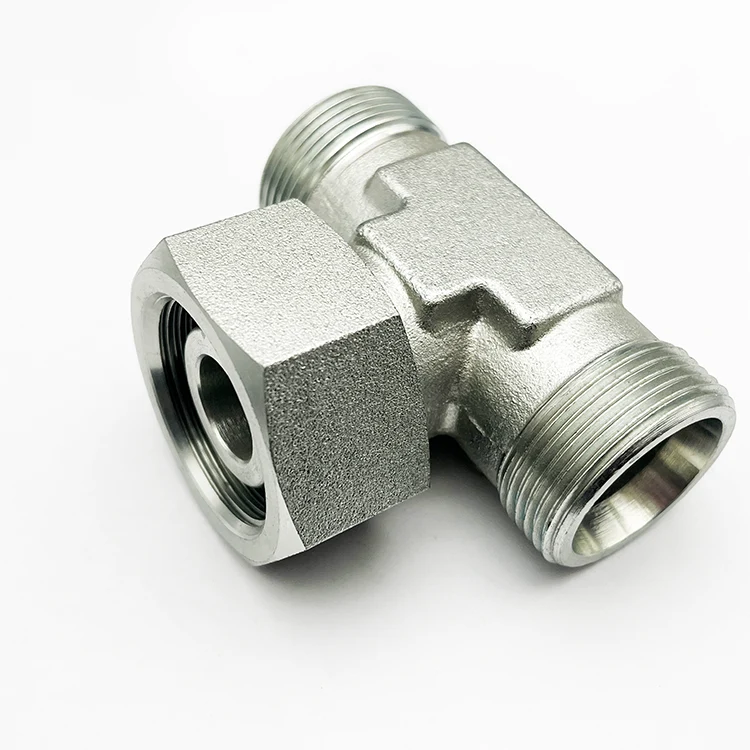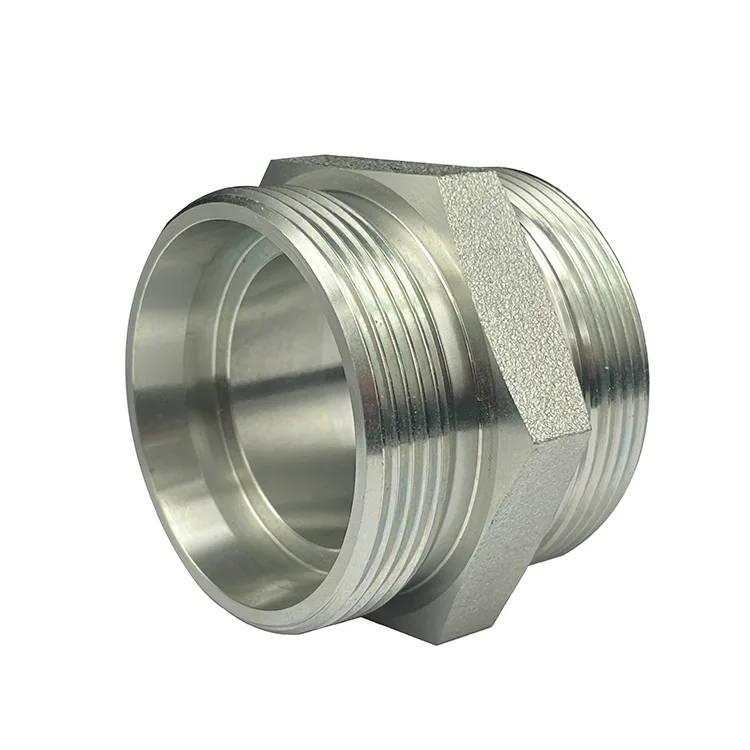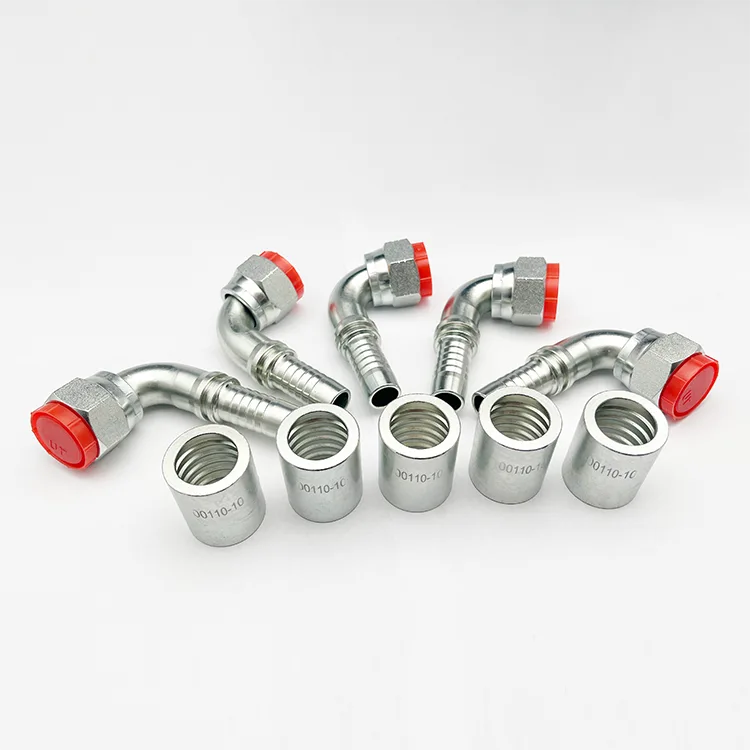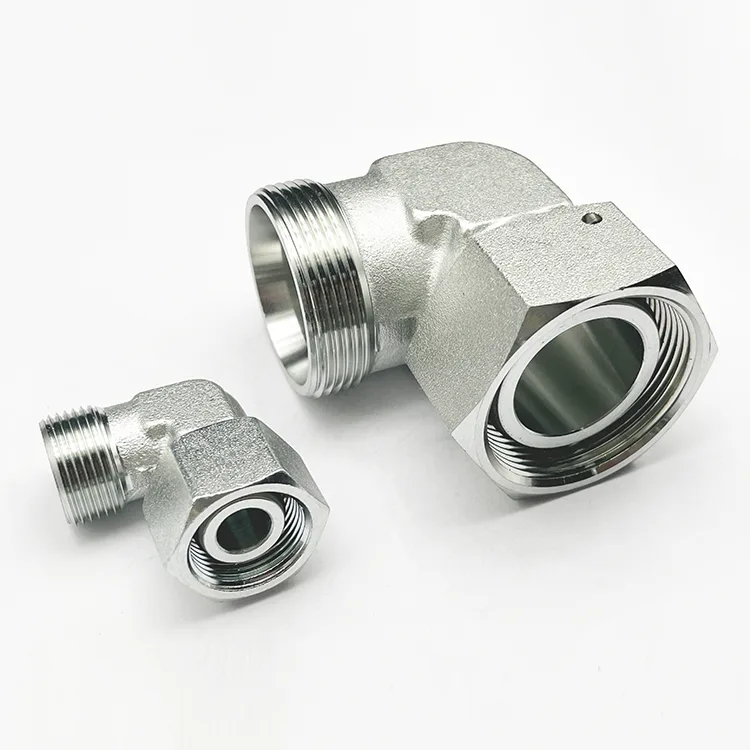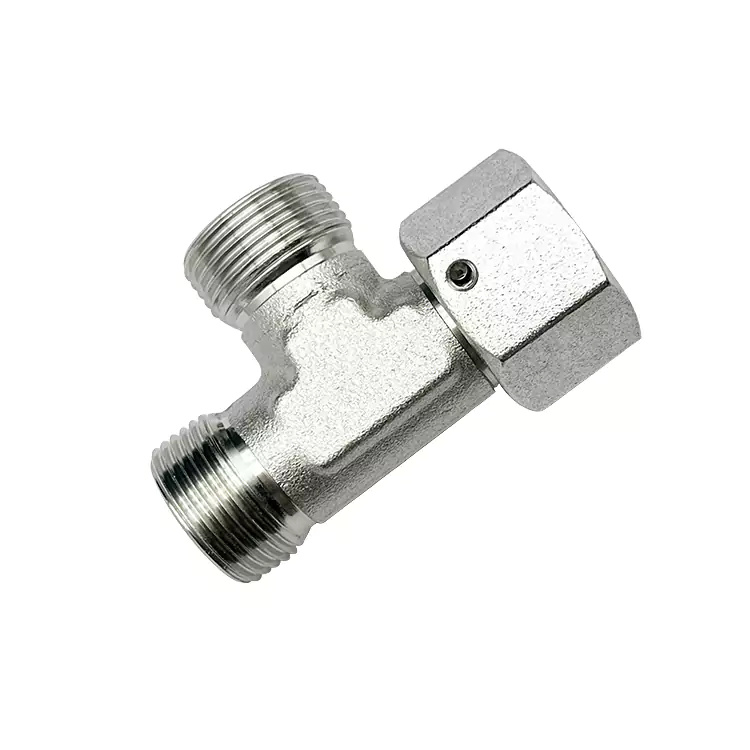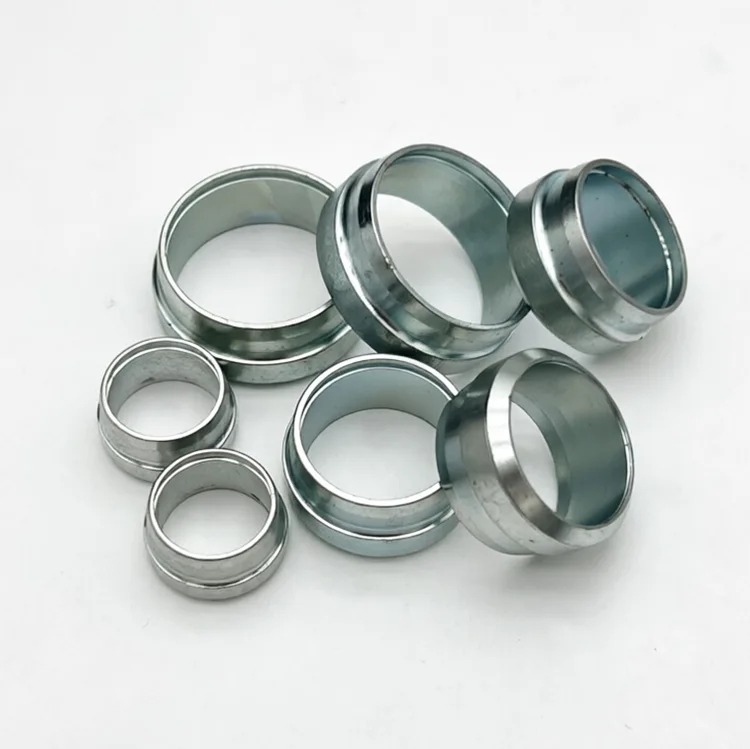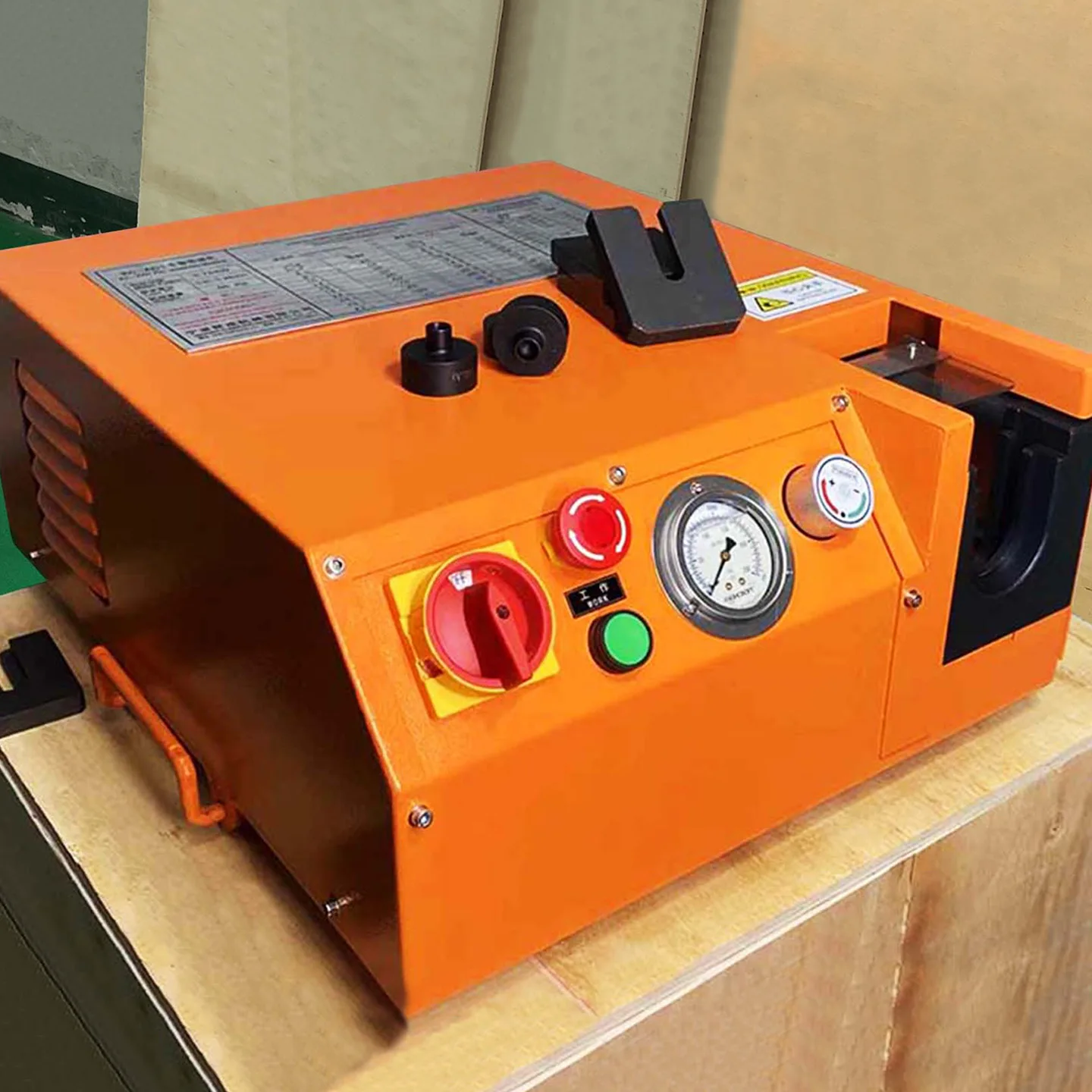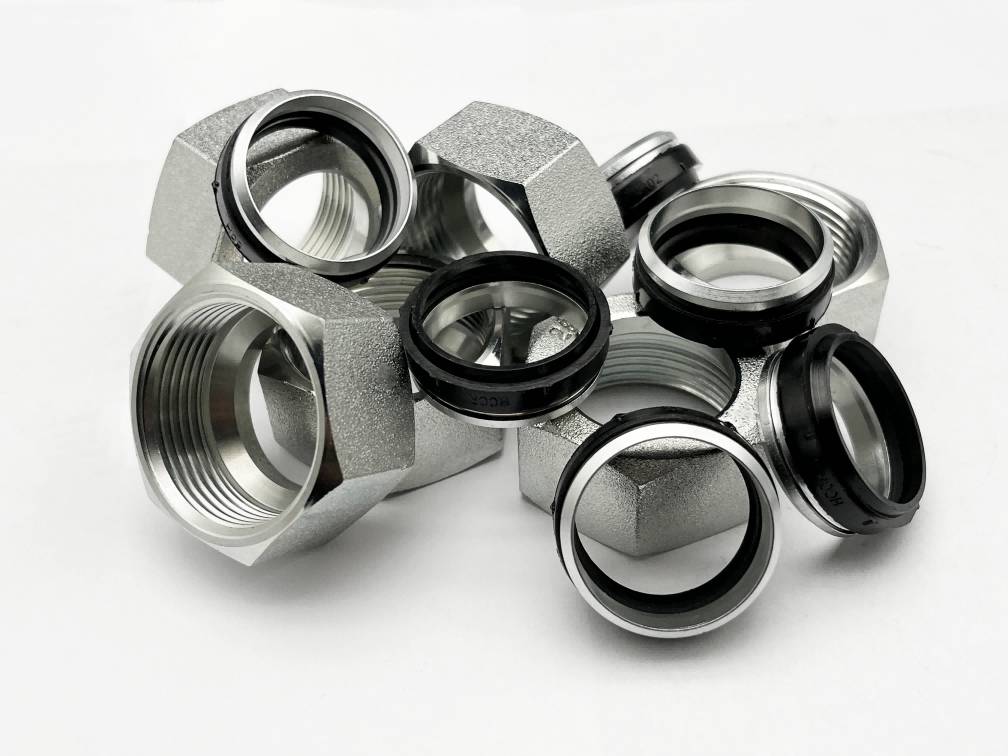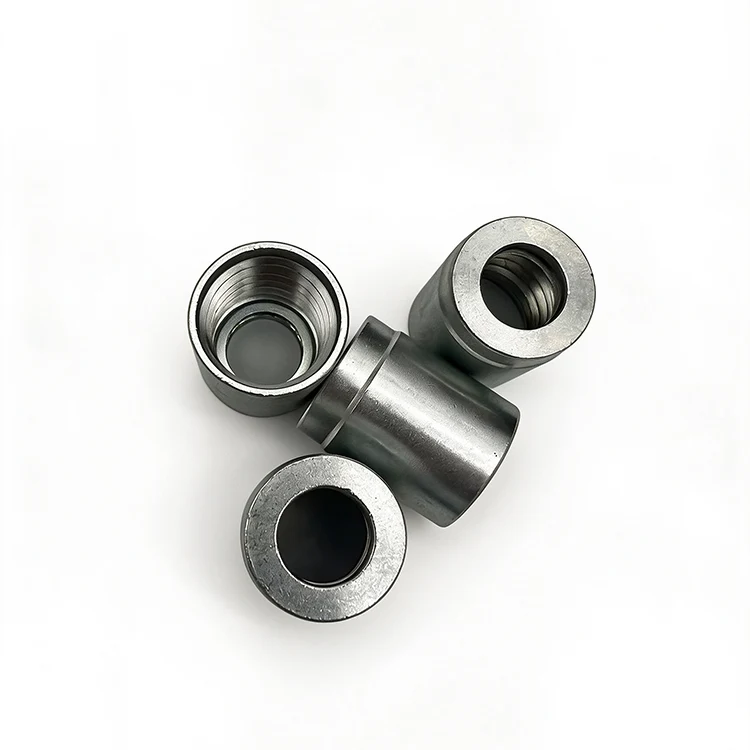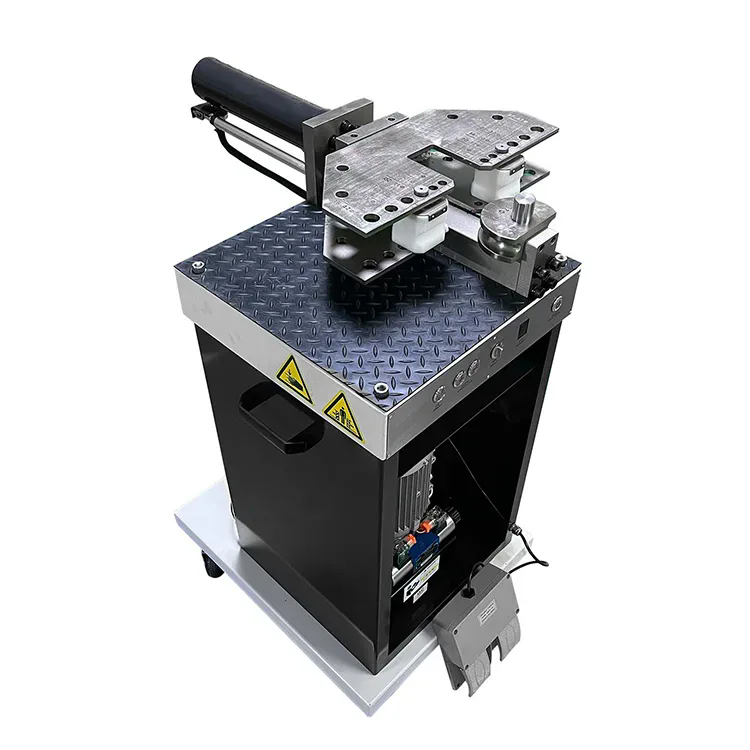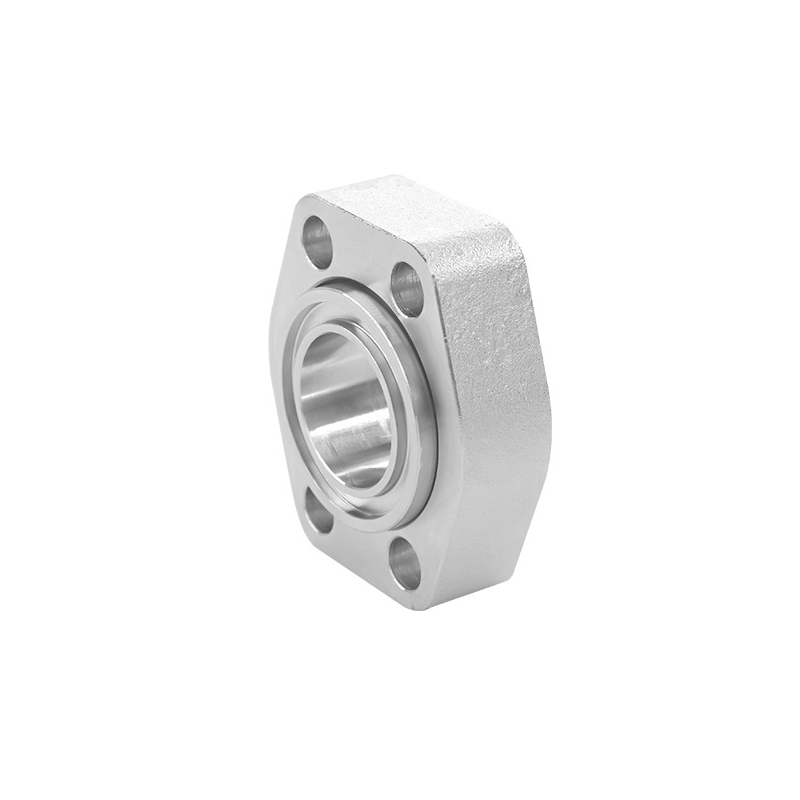
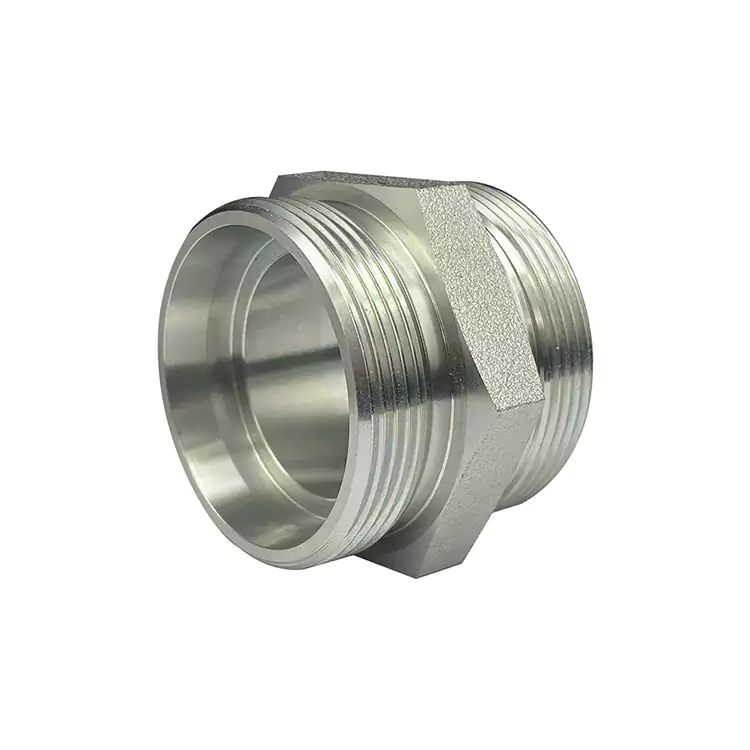
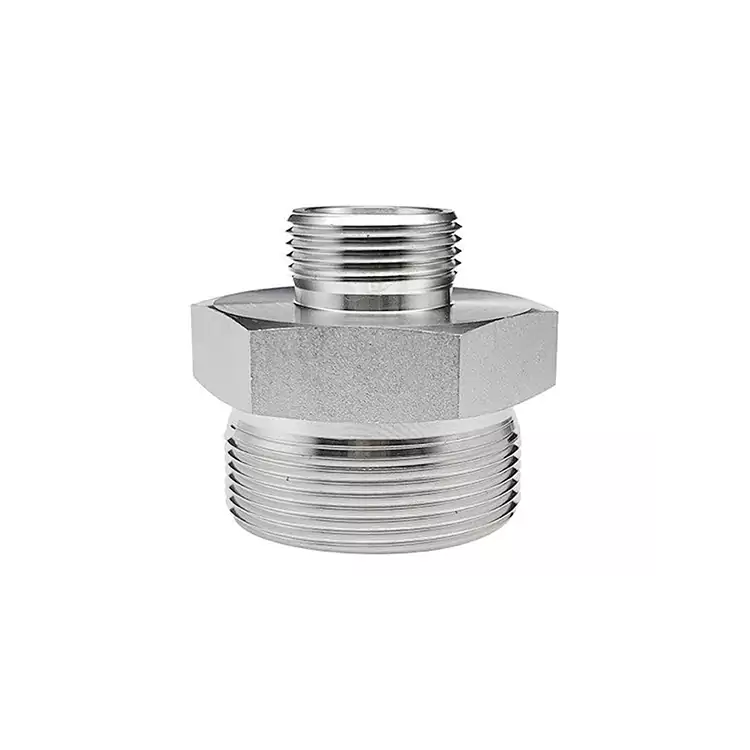
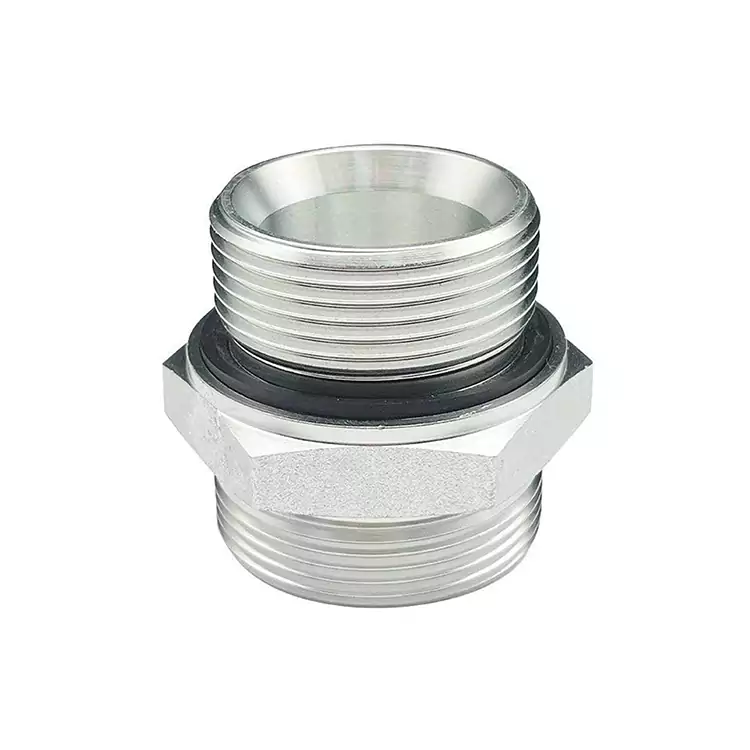
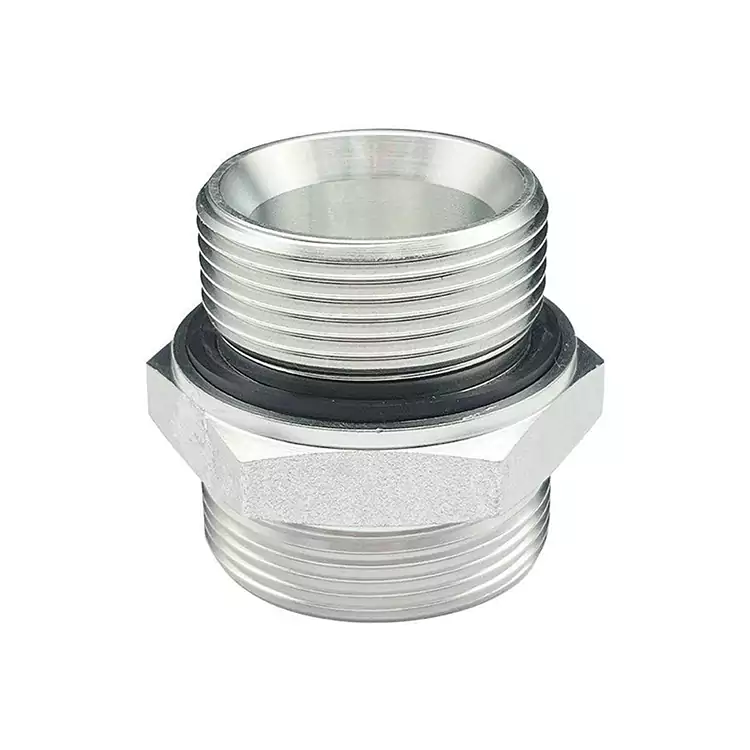
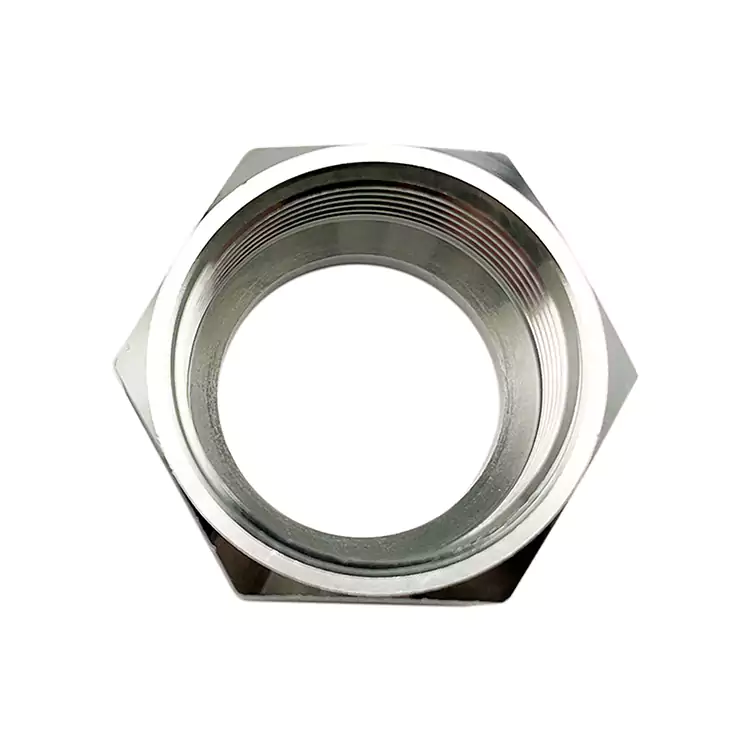
304 and 316 Stainless Steel Hydraulic Tube Fittings stably operate under 16--40MPa pressure, widely used in construction machinery, marine hydraulics, metallurgical equipment and industrial hydraulic systems, supporting elbow, tee, cross and adapter customization to meet high-pressure, anti-corrosion and reliable hydraulic pipeline connection demands.
XYOON 304 and 316 Stainless Steel Hydraulic Tube Fittings are professional connecting components specially developed for high-pressure, vibration and corrosive hydraulic transmission lines. They are used for branching, turning, reducing and connecting of hydraulic oil pipelines, forming a rigid and reliable sealing structure to avoid oil leakage under long-term vibration and pressure fluctuation. Made of high-quality 304/316 stainless steel, they resist rust and corrosion in marine, chemical and outdoor hydraulic working conditions, and are key parts to ensure the stability and safety of the whole hydraulic system.
Raw material inspection → precision forging forming → CNC machining → surface anti-rust treatment → 100% hydraulic performance test → qualified packaging → warehouse delivery.
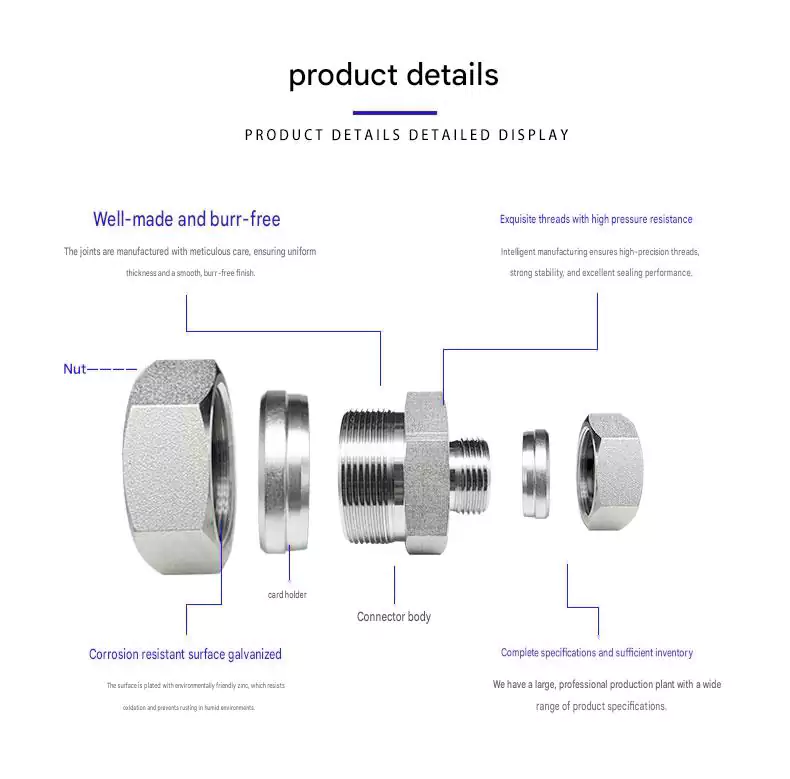
304 and 316 stainless steel are the two most commonly used anti-corrosion materials for hydraulic pipelines. Both have similar basic strength and pressure resistance performance, but there are significant differences in core components, corrosion resistance, applicable working conditions, and procurement costs. The selection can be made precisely based on the on-site environment.
304 stainless steel does not contain molybdenum. It forms a basic rust-proof protective layer through the chromium-nickel alloy composition. The overall structure is dense, without sand holes, and not prone to rust. It has high processing stability and outstanding cost performance. This material can resist indoor dry environments, ordinary rainwater, and common hydraulic oil media erosion, fully meeting the long-term usage requirements of construction machinery, general hydraulic stations, and inland industrial equipment. It is suitable for standard working conditions without acid or alkali, no salt fog, and low corrosion risk. It is the economical preferred material for general hydraulic pipelines.
316 stainless steel additionally contains molybdenum alloy elements, which specifically enhance resistance to pitting corrosion and chloride ion corrosion. Its corrosion resistance far exceeds that of 304 material. It can adapt to long-term exposure to seawater, coastal high salt fog, chemical weak acid and weak alkali media, and outdoor high-temperature and humid conditions, and is less likely to have surface oxidation, micropore corrosion, or thread rust and clogging problems. It is mostly used in high-demand scenarios such as ships, maritime platforms, chemical and metallurgical industries, and outdoor heavy machinery equipment. It belongs to high-performance specialized materials for specific working conditions.
For inland general industries, conventional construction machinery, and cost-controlled standard projects, 304 models are preferred; for coastal marine, chemical corrosion, long-term outdoor exposure, and projects with extremely high requirements for pipeline lifespan and stability, 316 models are recommended. This avoids later pipeline aging, leakage, and frequent replacements.
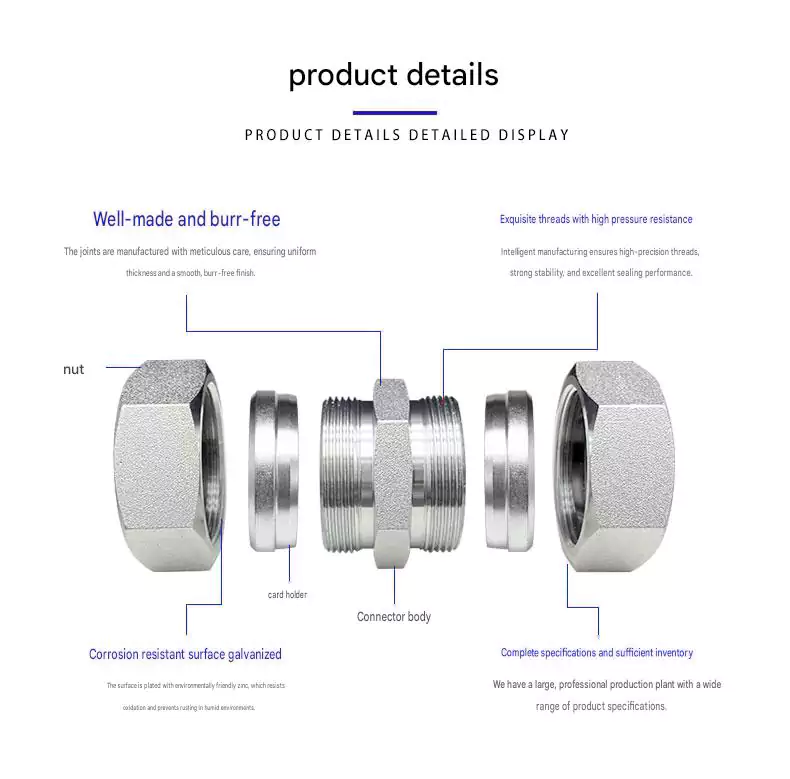
For the assembly of thin-walled stainless steel pipes, the processing accuracy is high, and proper installation will not cause damage to the pipe wall. During installation, keep the threads and sealing surfaces clean and free of iron debris and impurities. Do not use violent force to tighten the screws to avoid deformation of the threads and damage to the sealing surfaces, which may lead to micro-leakage. The pre-installed components can be used under pressure immediately without additional grinding treatment.
For 304 and 316 Stainless Steel Hydraulic Tube Fittings, there is no need for frequent maintenance. Just keep the joint surfaces clean. Regularly remove dust, oil stains, and crystalline media that adhere to the surface to prevent long-term accumulation of impurities and corrosion of the surface layer. It is recommended to conduct visual inspections every 6-12 months in conjunction with equipment inspections. Check whether there are any signs of oxidation, rust, or oil leakage on the threads and sealing positions. Early detection of potential hazards is possible without the need to stop the machine for disassembly and maintenance.
For ordinary indoor conditions, the components can be used directly. For seaside, high-humidity, and chemical working conditions, it is necessary to regularly wipe the surface of the joints to remove salt and residual media to reduce corrosion accumulation. It is strictly prohibited to have direct contact between stainless steel joints and carbon steel or iron parts to prevent electrochemical corrosion caused by the contact of different metals, which can accelerate the aging and failure of the components.
Spare joints should be stored in a dry and ventilated environment to avoid long-term exposure to the sun, moisture, and oxidation. Protect the thread accuracy and anti-corrosion layer. For large-scale stockpiling, it is recommended to mark the materials as 304 or 316 to avoid confusion and incorrect installation at the site, which may affect the anti-corrosion performance of the entire pipeline.
1. Construction Machinery: Excavators, loaders, cranes main hydraulic pipelines.
2. Marine & Offshore Hydraulics: Ship deck hydraulic systems, offshore platform oil circuits.
3. Metallurgical & Mining Equipment: High-pressure hydraulic transmission lines under harsh conditions.
4. Industrial Hydraulic Stations: Hydraulic system integration, pipeline branching and connection.
5. Automotive Hydraulics: Commercial vehicle hydraulic braking and steering pipelines.
All 304 and 316 Stainless Steel Hydraulic Tube Fittings are 100% tested for hydraulic pressure resistance and sealing performance upon leaving the factory. Under the conditions of proper installation, compatible working conditions, and rated pressure usage, a 12-month whole machine warranty is provided. Leaks, cracks, and sealing failures caused by raw material defects, forging processing flaws, or non-compliant factory performance will be repaired free of charge with new parts.
Damage caused by overpressure, overloading operation, violent disassembly, human scratches on the sealing surface, mismatched materials in working conditions, or external strong corrosive impact is not covered by the warranty. Professional selection guidance will be provided before sale to avoid material and working condition mismatches from the source and reduce customer usage risks.
Support for non-standard customization such as elbows, trisets, reducers, and special connections. Custom molds can be specially produced based on customer equipment drawings and pipeline parameters. Dimension confirmation and sample testing services can also be provided. For bulk engineering purchases, factory inspection reports, material certificates, and compliance qualification documents can be provided to meet the requirements of overseas project acceptance and customs clearance.
A professional English after-sales support team is equipped. Overseas customers can receive 24-hour responses. Remote technical guidance is provided for pipeline selection, installation specifications, and fault troubleshooting. Standard models are always in stock, and small batch samples can be sent, large-scale container delivery can be provided, and urgent orders can be prioritized for production, ensuring the stability of customer production lines and project progress.
Q: What connection types are compatible with these hydraulic fittings?
A: They support ferrule connection, welded connection and threaded connection, fully matching common hydraulic pipeline assembly methods.
Q: Do we need special maintenance for the fittings in long-term hydraulic use?
A: No frequent maintenance is needed; just keep the surface clean and check the sealing condition regularly, which is very suitable for unattended hydraulic stations.
Q: Can 304 and 316 Stainless Steel Hydraulic Tube Fittings be used on thin-walled hydraulic stainless steel pipes?
A: Yes, the precision matching structure will not damage the pipe wall, and is specially suitable for thin-walled hydraulic pipeline systems with light weight requirements.
Address
Changxing Road, Jiangbei District, Ningbo City, Zhejiang Province, China
Tel