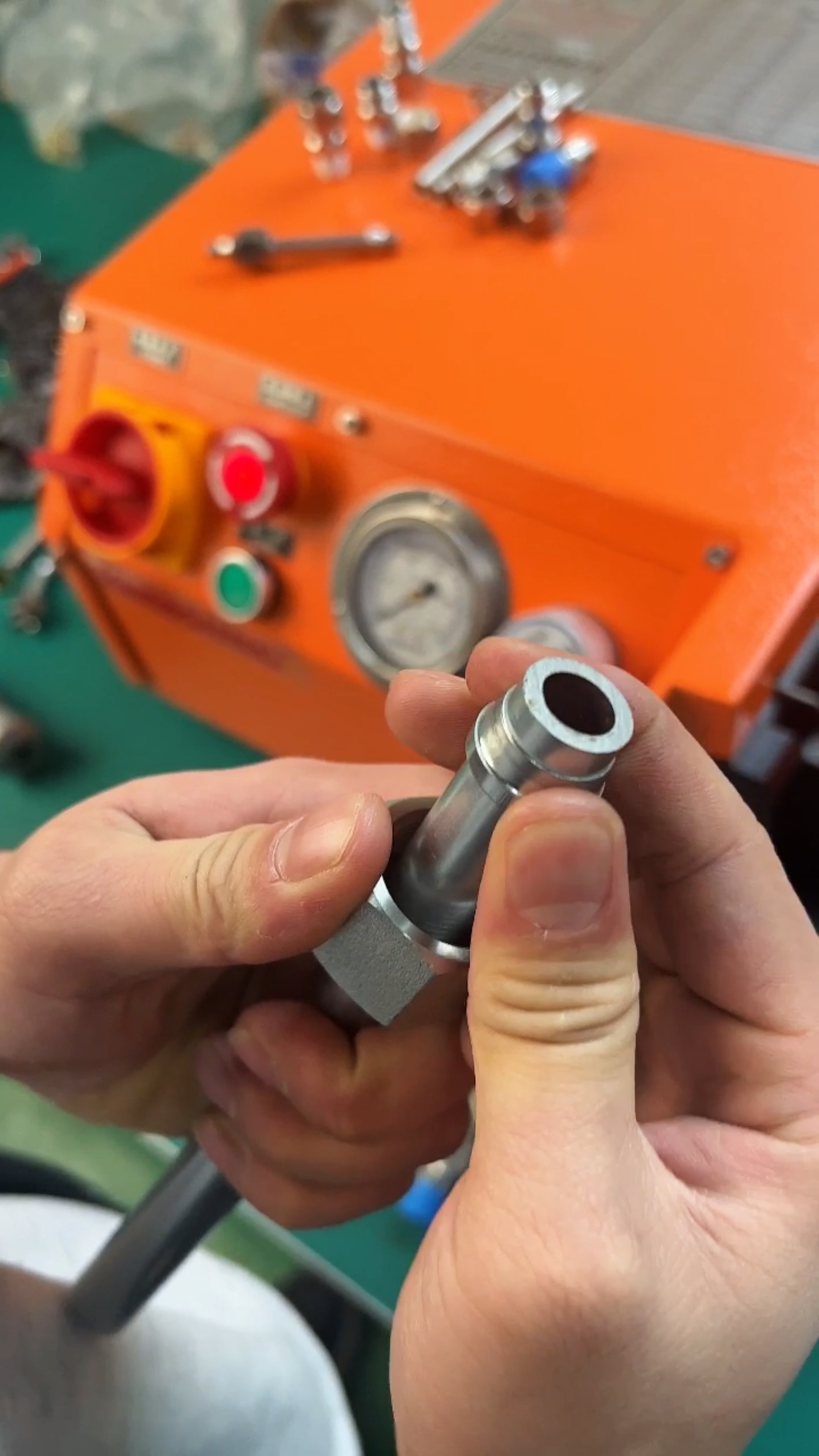
Most Common Questions After Receiving Your Electric Cutting Ring Pre-assembly Flaring Machine — and How to Fix Them
Why won't the ferrule grip the tube? Why does the die wear out after just one use? Why does it still leak even though it looks properly assembled? These questions may seem trivial, but they directly determine whether pre-assembly succeeds and whether the seal is reliable.
Most common issues cluster into five key areas: operating procedure, die selection, pressure setting, pre-assembly inspection, and daily maintenance. Below we break down each dimension so you can troubleshoot and resolve problems along the shortest path.
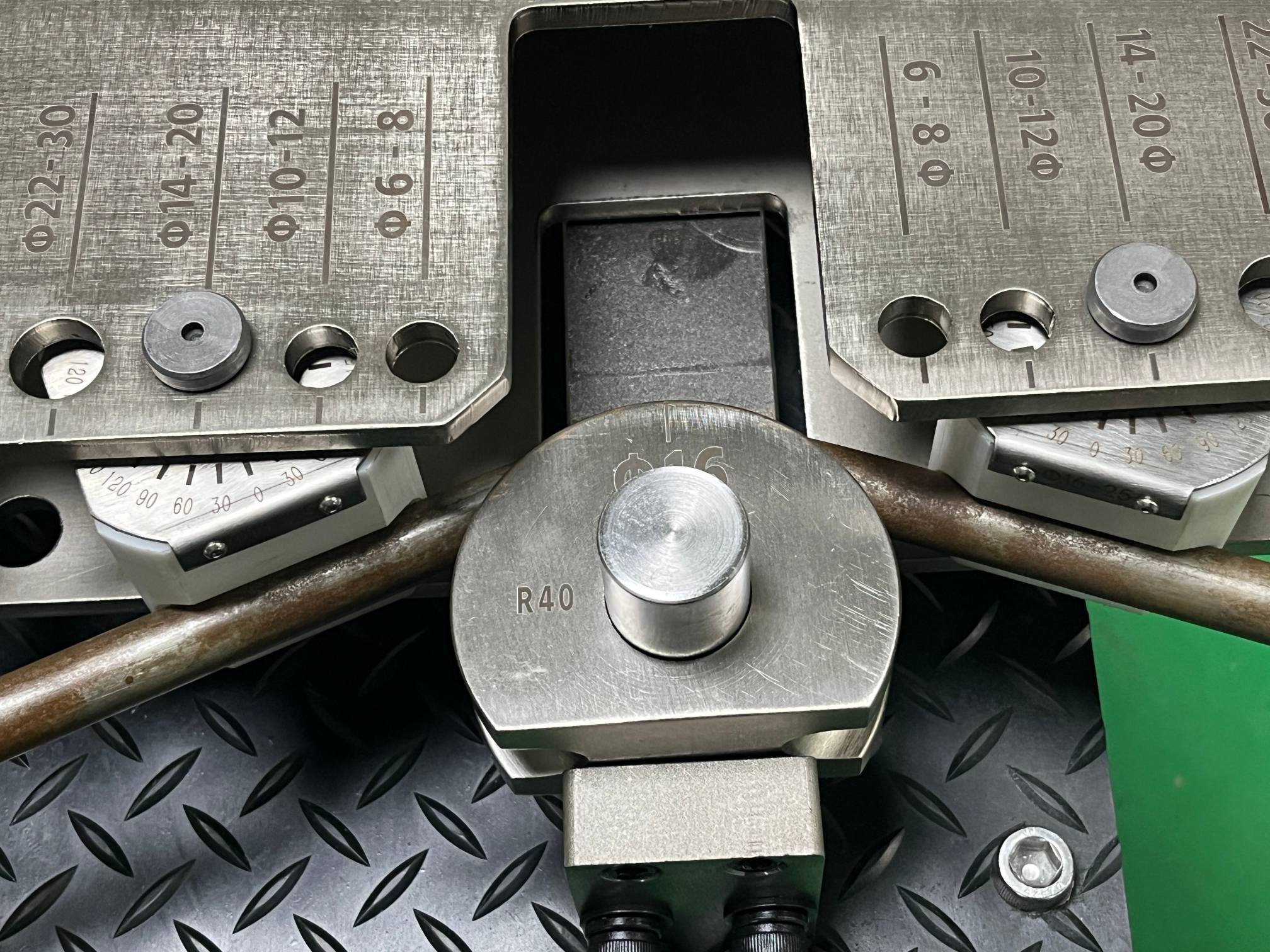
In the demanding world of hydraulic and pneumatic systems, the quality of every bent tube directly affects the reliability and safety of the entire system. Traditional manual pipe bending struggles with inconsistent accuracy, serious material waste, and time-consuming rework. For years manufacturers have fought the same battles: inaccurate bend angles, tube deformation such as flattening or collapse, and the inability to efficiently reproduce complex bent shapes. These issues raise production costs and undermine the integrity of the whole fluid system.
The memory pipe bending machine was built to solve exactly these pain points. XYOON Machinery has developed a range of compact, mobile CNC pipe bending machines—the KC-K01 and KC-K02—to transform how metal tubes and solid round bars are fabricated. Below we explain the real problems our memory pipe bending machine solves and why it has become essential on modern shop floors and production lines.
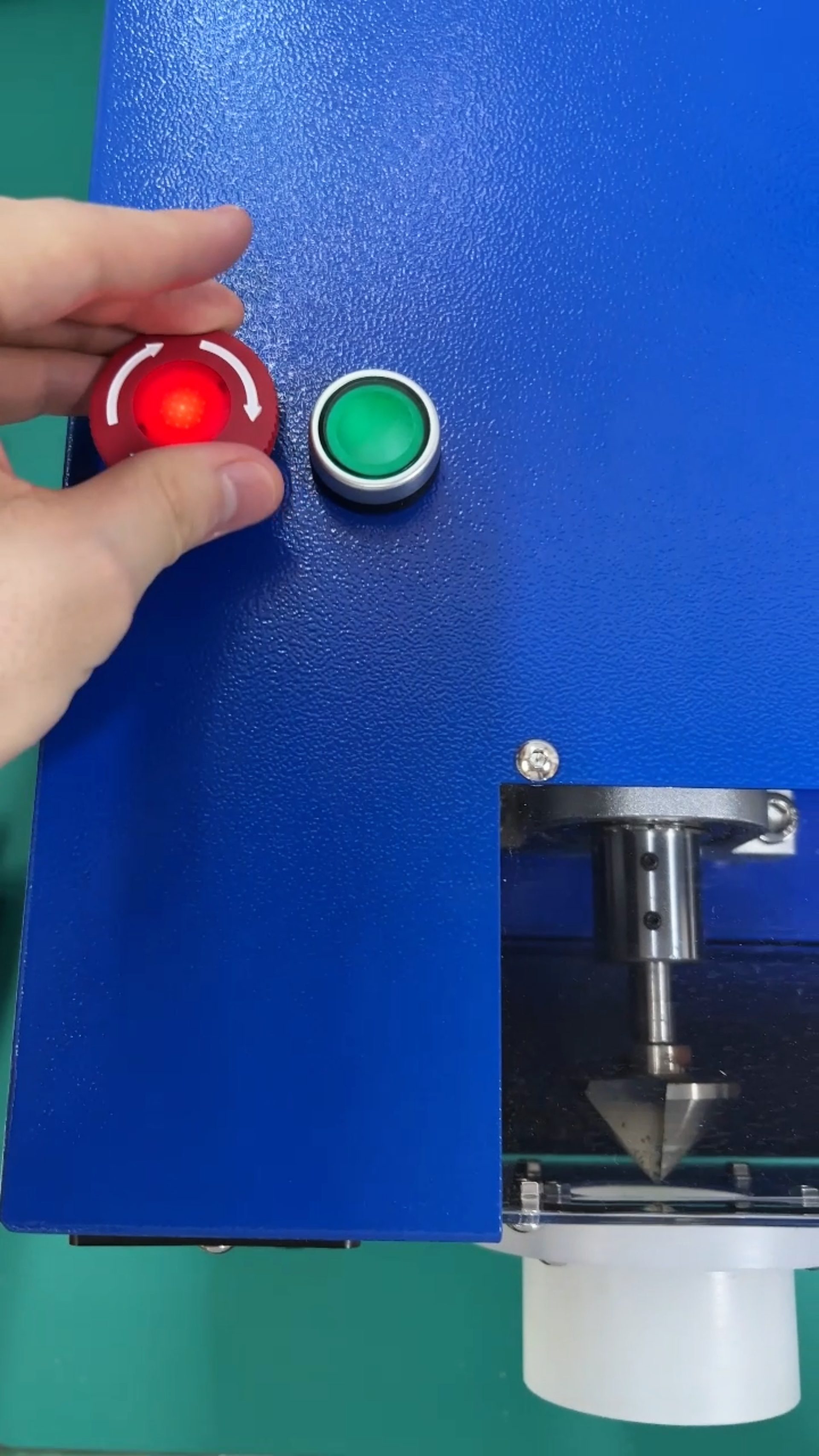
Cutting, welding and stamping always leave burrs on tube ends. Sharp edges raise assembly force, damage seals, and hide leakage risks inside high-pressure lines — which is why the steel pipe deburring machine is now standard equipment wherever metal tubing is processed in volume.
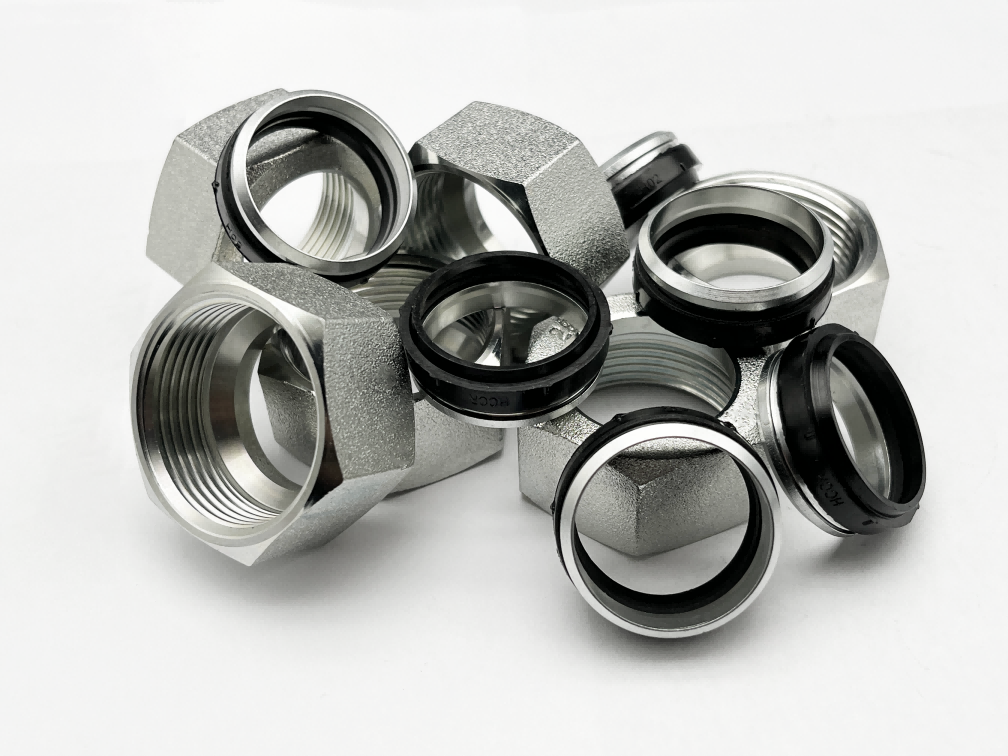
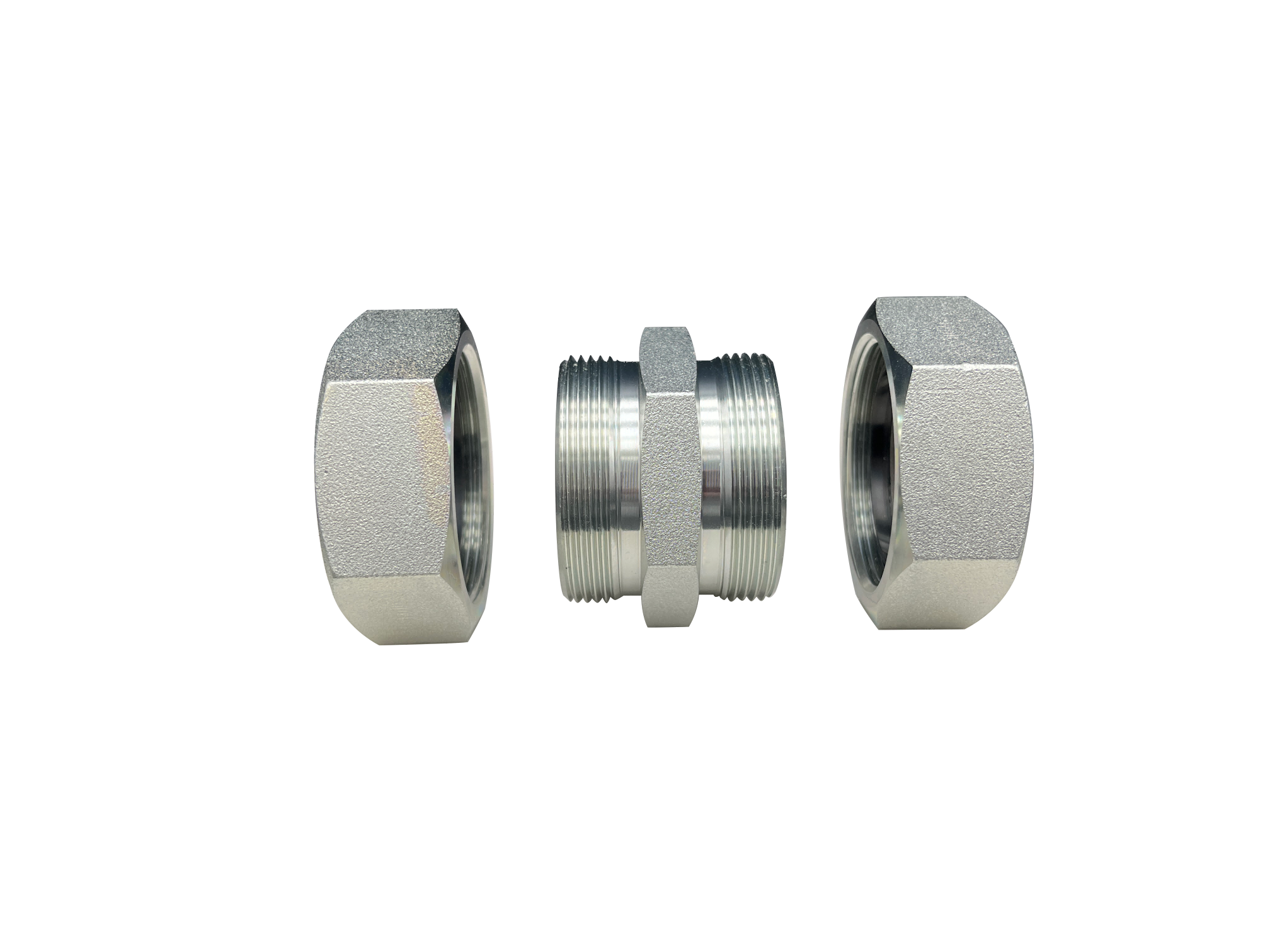
In hydraulic systems, leakage is almost never a problem with the steel tube itself — it is a problem at the connection point. For decades, 24° bite-type fittings built to ISO 8434 / DIN 2353 have been the industry default.
As a key member of XYOON’s EO fitting family, the leak-free EO-2 technology keeps everything that made traditional bite-type fittings popular — cutting-ring connection and exceptionally simple assembly — while delivering more reliable sealing and better tolerance of harsh operating conditions. This article breaks down the real differences between the two at the structural level, as a reference for purchasers, equipment maintenance teams and tube-processing workshops.
In hydraulic systems, a correctly assembled ferrule-type tube fitting can withstand severe pressure fluctuations — even when the steel tube itself is stressed to the point of deformation, the joint stays leak-free. By contrast, improper assembly directly reduces a joint's pressure resistance and service life, and under extreme conditions can cause tube edge cutting, cracking, and connection failure. To help engineers avoid leakage, rework, and downtime, XYOON has compiled these safety guidelines for correctly installing tube fittings, based on years of field experience.
Selecting the right hydraulic tube fittings is one of the most critical decisions in fluid system design. The ultimate goal is to find the "best-fit solution"—one that delivers high reliability, easy assembly, and straightforward maintenance while minimizing total cost of ownership. Every application has its own definition of the optimal solution, so a systematic evaluation process is essential. This guide walks you through the key factors to consider when choosing rigid tube fittings for your specific project.
We use cookies to offer you a better browsing experience, analyze site traffic and personalize content. By using this site, you agree to our use of cookies. Privacy Policy


 2026-10-10
 2026-10-08
 2026-09-24
 2026-09-21
 2026-09-16
 2026-09-12